
What Temp Should You Keep Your House In Summer

Ah, summer! Sunshine, lemonade, and the age-old thermostat battle. What temperature should you really keep your house at when the heat is on?
The Great Thermostat Debate: Summer Edition
It's a question that sparks fierce debates in households everywhere. Is it better to freeze everyone out or risk melting into a puddle?
Finding Your Goldilocks Zone
Let's face it: everyone has a different idea of "comfortable." For some, anything above 70 is practically the surface of the sun. Others might be perfectly happy in a balmy 80 degrees. Finding that sweet spot – the Goldilocks Zone – is key!
Must Read
Think about it like this: you're not just setting a temperature; you're orchestrating an indoor climate symphony. A symphony of sighs of relief (or grumbles of discontent).
The 78-Degree Rule: Friend or Foe?
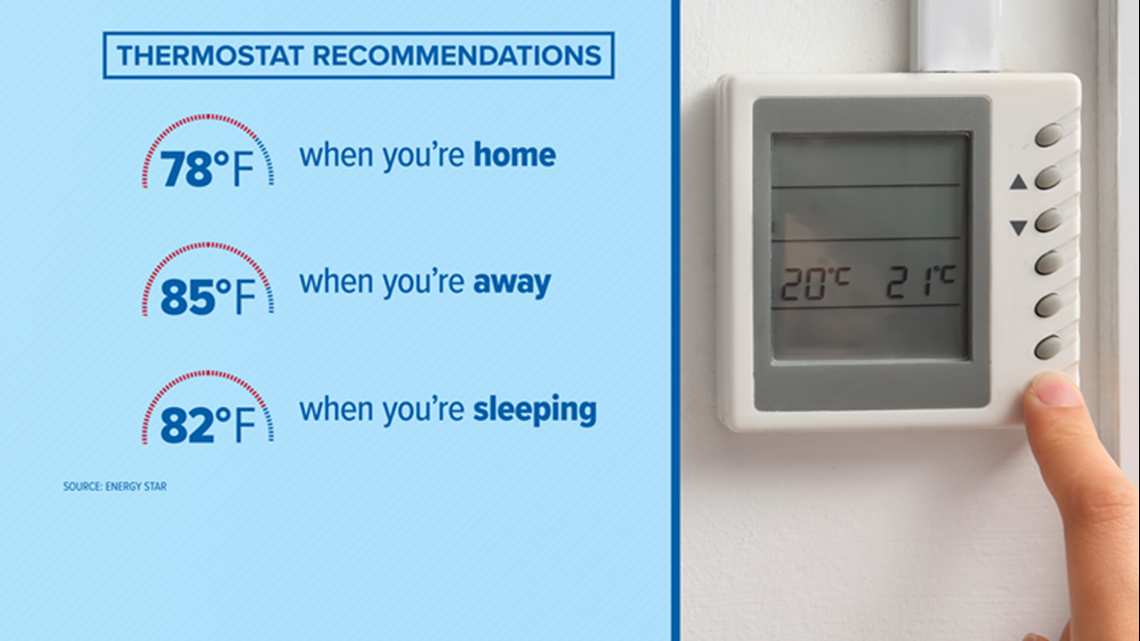
You've probably heard whispers of the 78-degree "rule." It's often touted as the energy-efficient magic number.
But is 78 degrees truly comfortable for everyone? Maybe not. Consider it a starting point, not a rigid decree.
Think of 78 as your home's default setting. Like a factory reset for indoor comfort. But you can always tweak it!
Beyond the Number: Factors at Play
Temperature isn't the whole story, folks. Humidity plays a huge role. A dry 78 can feel way more comfortable than a humid 75.
Then there's air circulation. A good fan can make a world of difference, even at a higher temperature.
Consider your home's insulation too. A well-insulated house will stay cooler longer, no matter the thermostat setting.
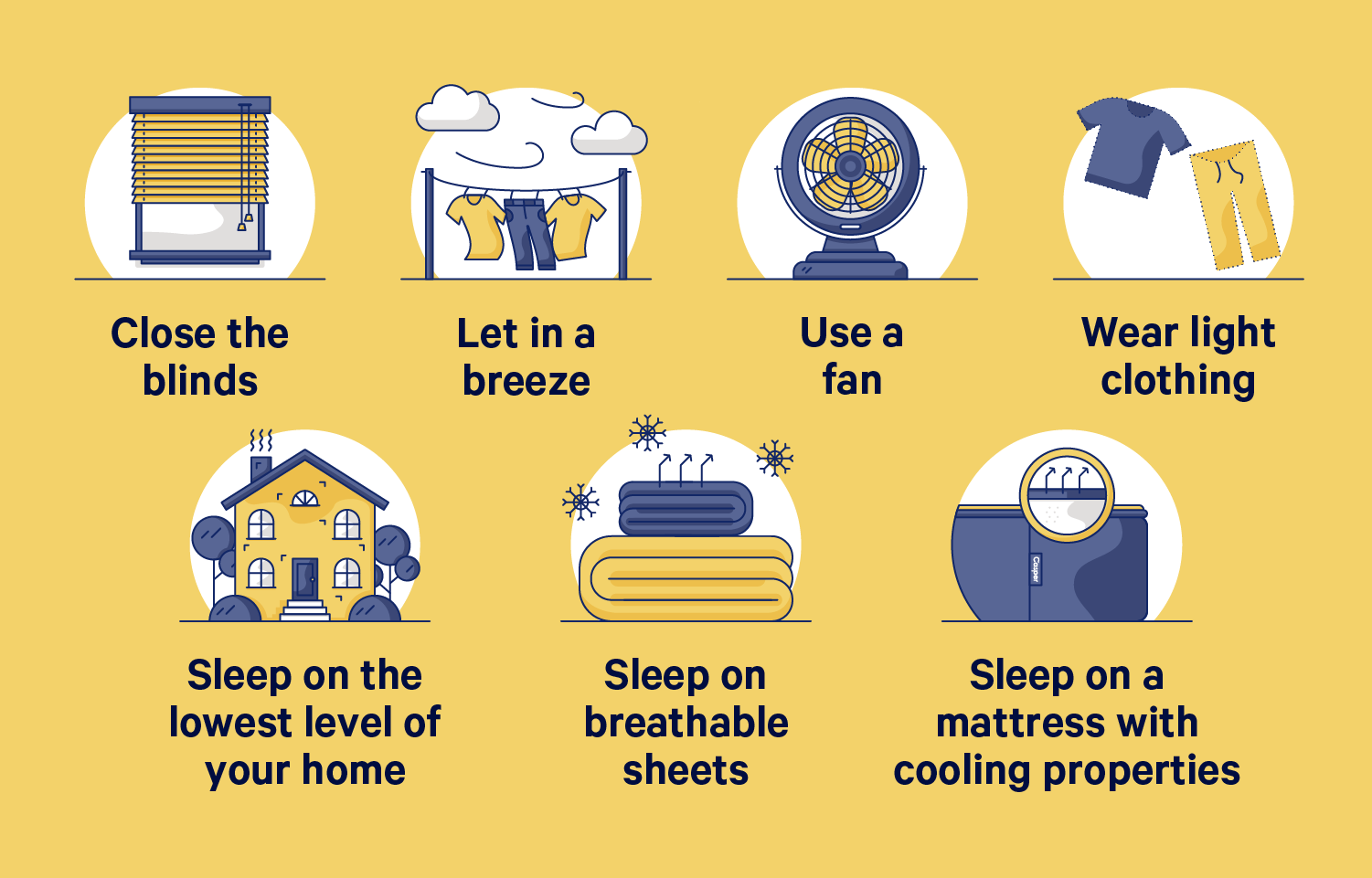
Sunlight is another sneaky culprit. Those sun-drenched rooms can become mini-saunas in the afternoon. Blinds and curtains are your friends!
The Sleep Factor: Sweet Dreams or Sweaty Nightmares?
Sleeping in a too-warm room is awful. It disrupts your sleep cycle and leaves you feeling groggy.
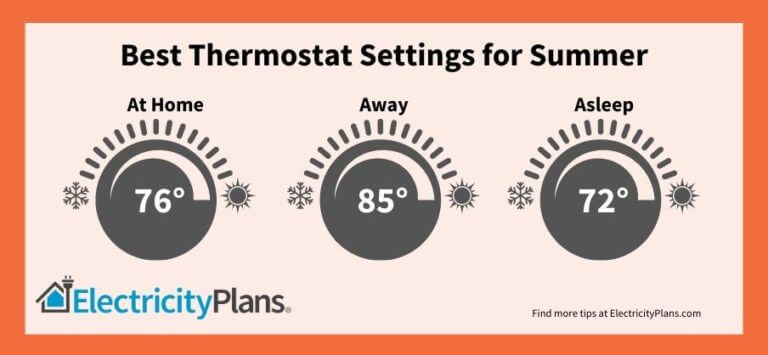
Experts often recommend a slightly cooler temperature for sleep. Think low to mid-60s for optimal slumber. But experiment! Find what works best for you.
A cooler bedroom is like a lullaby for your body. Encouraging it to drift off into a peaceful sleep.
Saving Money Without Sacrificing Comfort
Want to save money on your energy bill without turning your home into an icebox? It's totally possible!
Smart thermostats are your secret weapon. They learn your habits and adjust the temperature automatically.
Consider a programmable thermostat if you're not ready to go full-smart. Set it to raise the temperature when you're away from home.
Ceiling fans are a cheap and effective way to circulate air. They allow you to raise the thermostat a few degrees without feeling any warmer.
And don't forget about those pesky air leaks! Seal any cracks around windows and doors to prevent cool air from escaping.
The Human Factor: Compromise is Key
Living with others? Then the thermostat becomes a delicate negotiation. It's a dance of give and take.
Talk to your housemates about their temperature preferences. Find a compromise that everyone can live with (relatively) happily.
Maybe one person needs a sweater while the other wears shorts. A little layering can go a long way!
Remember, a harmonious home is worth more than a perfectly chilled living room.
Embrace the Power of Personalization
Ultimately, the best temperature for your house in the summer is the one that makes you comfortable. It's a personal choice.
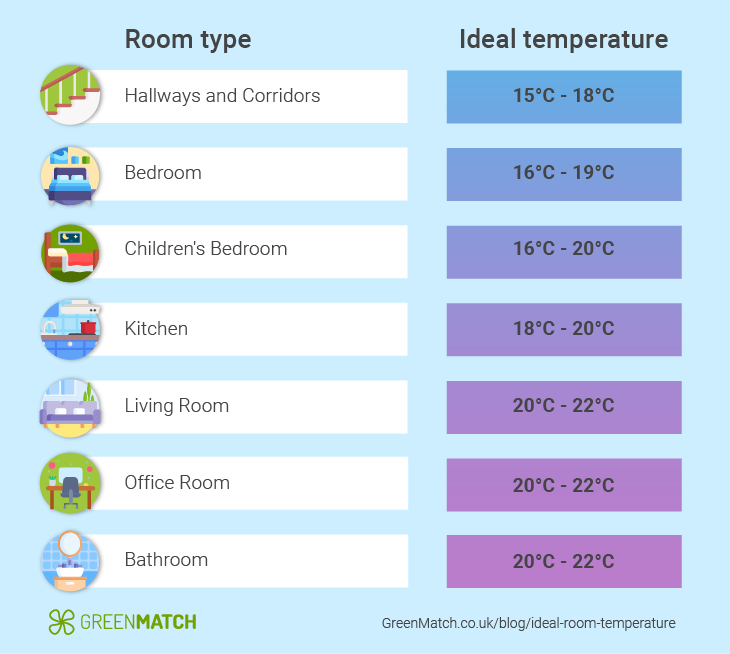
Experiment with different settings and see what works best for you. Don't be afraid to deviate from the "rules."
Consider a window AC unit or a portable fan for individual rooms. That way, everyone can have their own little climate zone.
The Thermostat as a Canvas
Think of your thermostat as a blank canvas. You're the artist, creating the perfect indoor climate masterpiece.
Play around with different settings. Experiment with fans and window coverings. Discover what brings you ultimate summer comfort.
Your home is your sanctuary. So make it a cool, comfortable one! (Or at least, reasonably comfortable.)
The Joy of a Perfectly Cooled Home
There's something truly satisfying about walking into a perfectly cooled home on a scorching summer day. It's like stepping into an oasis.
That cool, refreshing air washes over you, melting away the stress and heat of the day.
It's a feeling worth striving for. So go forth and conquer that thermostat! Find your perfect summer temperature.
And remember, it's not just about the number on the dial. It's about creating a comfortable, happy, and harmonious home for yourself and your loved ones.
So crank up the AC (responsibly, of course), grab a refreshing beverage, and enjoy the sweet, sweet coolness of summer.
Now go forth and experiment! May your thermostat battles be few and your cool, comfortable days be many!
Just remember to check in with your energy bill, and adjust as needed. Happy chilling!
And remember the importance of proper maintenance for your cooling system. Keeping your filters clean can make a world of difference in efficiency. A clean filter ensures better airflow and prevents your system from working harder than it needs to, ultimately saving you money and prolonging the life of your unit.
Don't underestimate the power of a good ceiling fan. These aren't just decorative pieces; they're your allies in the fight against summer heat. A ceiling fan effectively circulates air, helping to distribute the cool air from your AC throughout the room.
Lastly, consider the time of day when adjusting your thermostat. During peak sunlight hours, your home is naturally going to be warmer. Setting your thermostat a few degrees lower during these times can help maintain a consistent temperature and prevent your AC from working overtime.