
What Size Of Generator Do I Need
Ever thought about generators? No? Well, get ready to have your mind blown! Figuring out generator size might sound like a snooze-fest, right? Wrong! It’s actually a super fun, slightly quirky adventure. Like being a power detective, but with less trench coats and more, well, watts!
Imagine this: the power goes out. Disaster strikes! But wait, you’ve got a generator. It hums to life, a little mechanical hero. But then… your fridge flickers, your TV sputters, and your coffee maker stages a dramatic exit. What happened? You picked the wrong size!
The Great Watt Mystery: Running vs. Starting
This is where the detective work begins. Every appliance has a power appetite. We measure this appetite in watts. Think of watts like energy snacks. Your toaster needs a big gulp. Your phone charger sips daintily.
Must Read
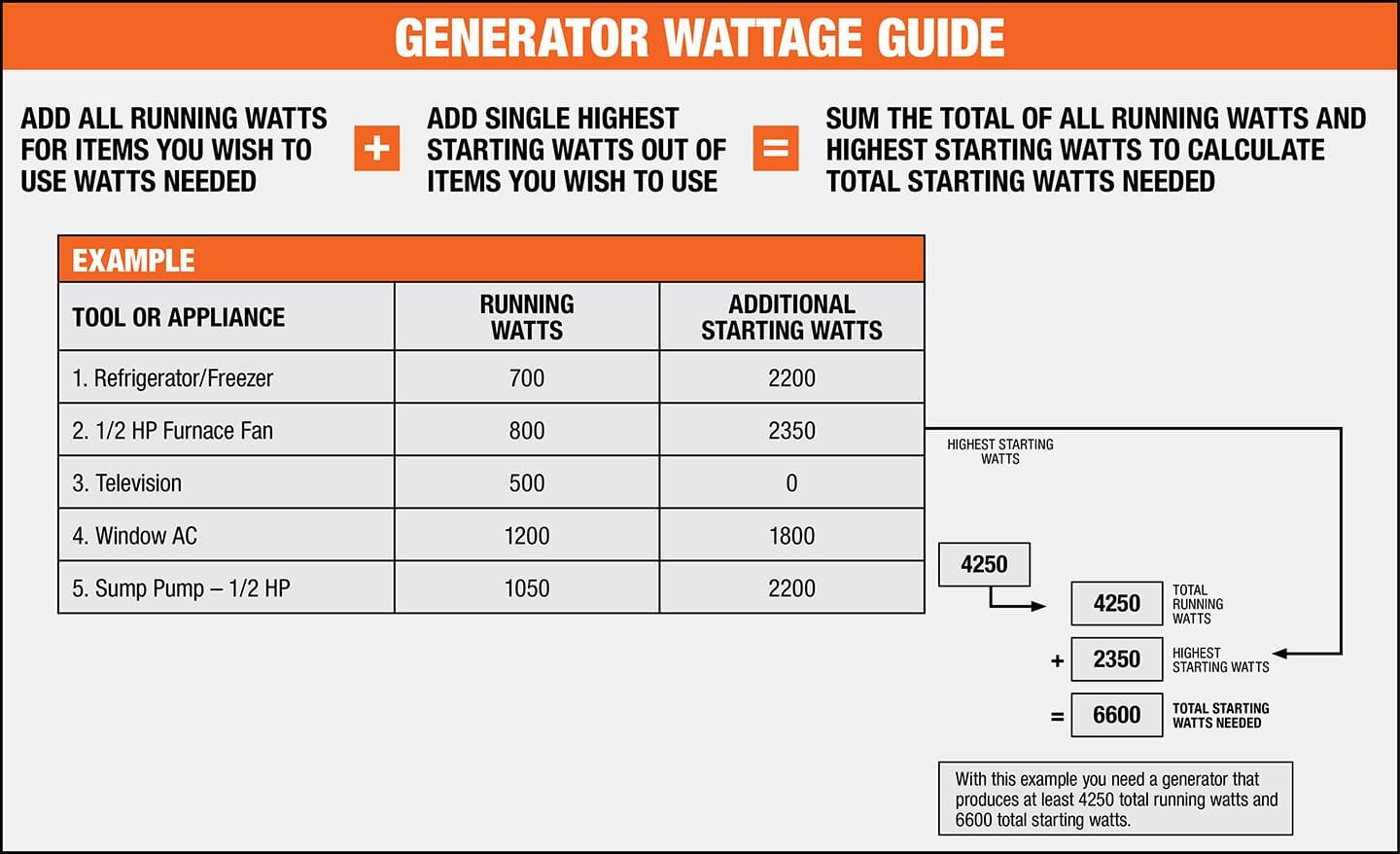
Here’s the quirky bit: appliances often need two types of watts. There are running watts – that’s what they munch on continuously. And then there are starting watts. This is like a massive, sudden sugar rush an appliance needs to kick into gear. Your fridge, for instance, needs a huge surge of starting watts to get its compressor going. Once it’s running, it settles down to a much lower number.
So, you can’t just add up running watts. You need to account for those quick, hungry bursts. It’s like planning a party: you need enough food for everyone eating, but also extra snacks for when someone first arrives and is super hungry!
Your Appliance Safari: The Ultimate Power Hunt
Grab a pen! This is the fun part. Go on an appliance safari around your home. List every gadget you absolutely, positively need to run. Your fridge? Obviously. Lights? Duh. Your super-important Wi-Fi router? Non-negotiable! The electric toothbrush? Maybe not in a crisis, but hey, you do you.
Look at the labels on your appliances. They usually list watts. If not, look for amps and volts (Watts = Amps x Volts – easy peasy math!). Remember to think about what you’d run at the same time. You probably won't be microwaving a burrito while simultaneously blow-drying your hair and running a massive power saw. Or maybe you will? No judgment here!
Add up all those running watts. Then, identify the appliance with the highest starting wattage. Add that to your running total. That’s your magic number!
Choosing Your Generator Buddy: Big or Small?
Now that you’re a watt-calculating wizard, let’s talk generator personalities.
The Petite Pal: Camping & Tailgating Generators
These little guys are typically under 2,000 watts. Perfect for a cozy camping trip. Running a few lights, charging phones, maybe a small coffee maker. They're like the quiet, efficient friend who always brings snacks. Plus, some are super quiet, so they won't annoy your fellow campers. Did you know some can even sing their own little happy song while they work? Okay, maybe not literally, but their hum is music to our ears!
The Reliable Ranger: Essential Home Backup
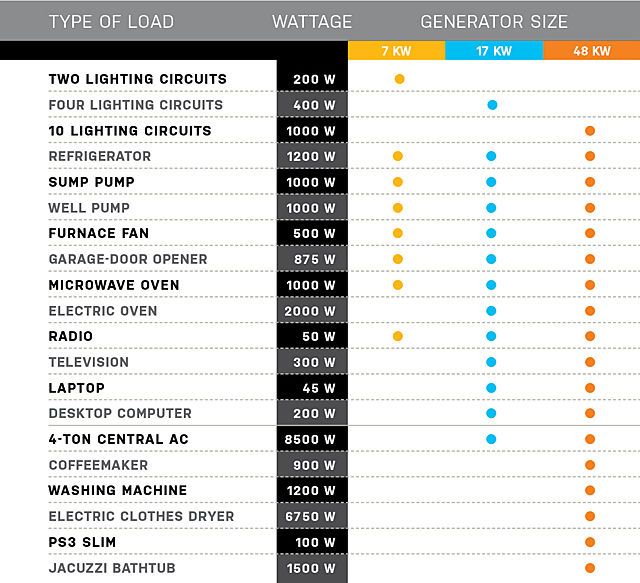
This is where most home users land. We're talking 3,000 to 7,500 watts. Enough to keep your fridge humming, some lights on, your furnace running (crucial in winter!), and that all-important internet connection flowing. It's like having a reliable SUV – gets the job done, comfortable, and ready for anything. This is the generator that earns you neighborly envy when the grid goes dark.
The Powerhouse Protector: Whole-House Domination
Got big dreams? Want your whole house running like normal? You're looking at 10,000+ watts, often connected directly to your home's electrical panel by a pro. These are the Schwarzeneggers of the generator world. They power everything: AC, electric ranges, multiple fridges, even your elaborate home theater. Choosing one of these means you barely notice the power outage. It's truly a power flex!
The Goldilocks Principle: Not Too Big, Not Too Small
Why is this so fun? Because it’s like solving a puzzle! You don't want a generator that's too small and constantly trips, leaving you in the dark anyway. That's a sad, sputtering mess! But you also don't want one that's massively oversized. It costs more, burns more fuel, and is generally overkill – like using a battleship to cross a puddle.
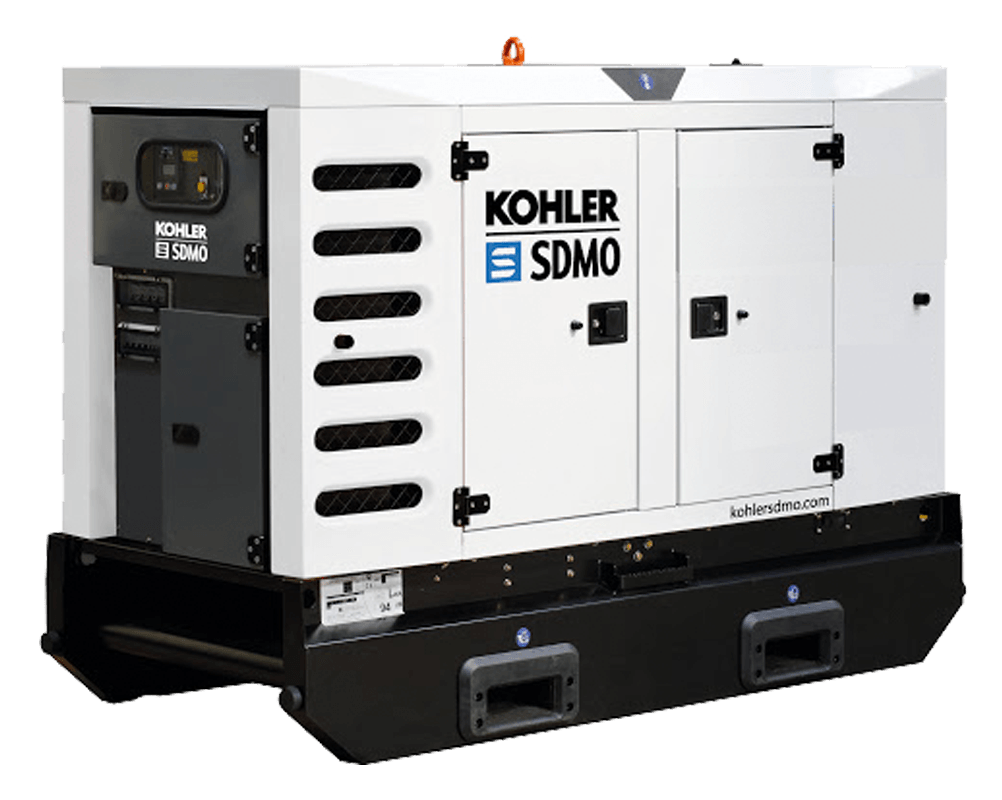
Getting the size just right makes you feel like a genius. You've harnessed power! You've outsmarted the grid! You're ready for anything! It’s empowering, practical, and honestly, a bit thrilling.
So, next time someone talks about generators, don't yawn. Lean in. Ask them about their watt calculations. Tell them about starting loads. You’ll be the life of the (power-outage) party! Go forth, power detectives, and calculate your way to energy independence!
W W