
What Size Generator For 30 Amp Rv Air Conditioner

Okay, let's talk RV air conditioners. Specifically, that 30 amp beast humming (or struggling) on your roof. And more specifically, what generator you need to keep it happy. This isn't going to be your typical dry technical manual. Prepare for some potentially controversial opinions.
The "Official" Answer (Boring!)
Everyone thinks they know the right answer. You'll hear things like "You need at least a 3500-watt generator!" or "Get a 4000-watt for sure, just to be safe!" They'll drone on about starting watts versus running watts. Snooze-fest, right?
Look, they're not entirely wrong. Your 30 amp RV A/C needs juice. It needs a surge of power to start, and then a steady supply to keep cooling. But is bigger always better? That's where my unpopular opinion comes in.
Must Read
My Unpopular Opinion: You Might Be Overthinking This
Hear me out. We're talking about RVing, the pursuit of freedom and the open road! Why are we suddenly chained to the biggest, loudest, most gas-guzzling generator on the market? Are we camping, or running a small construction site?
Most 30 amp RV air conditioners need around 1700-2200 watts to run after they're started. The initial surge, the dreaded starting watts, is what scares everyone. But here's the secret: there are ways around that.
I'm not saying you can run your A/C off a hamster wheel (though, that's a fun idea for a future project). I'm suggesting a little finesse. Have you heard of soft start kits?
Soft Start: The Game Changer
These little devices significantly reduce the starting amps needed by your air conditioner. Instead of a massive power jolt, it ramps up gradually. This means you can often get away with a smaller, quieter, and more fuel-efficient generator.
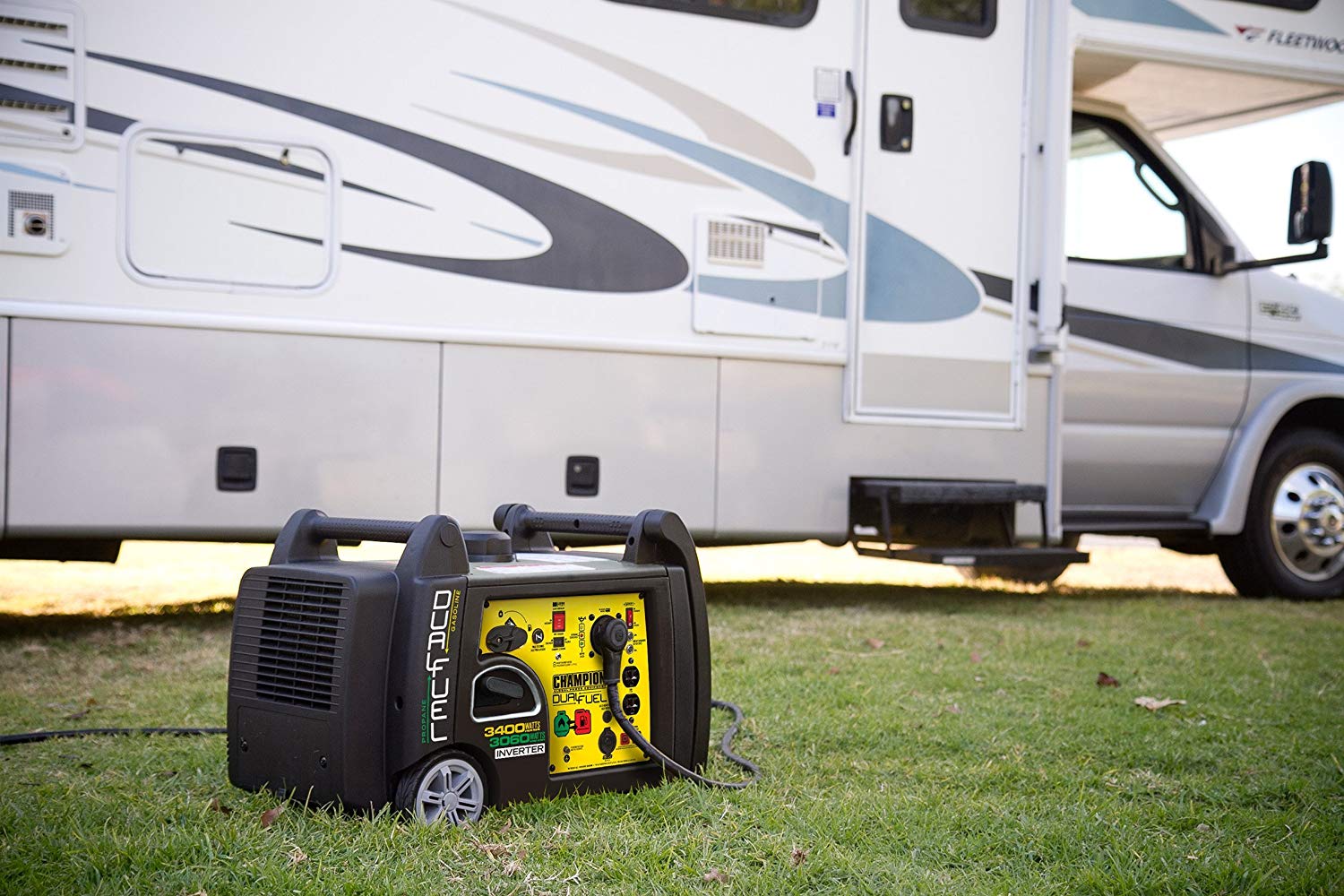
Think about it. Instead of lugging around a generator the size of a small car, you could potentially use a 2500-watt inverter generator. That's a HUGE difference in portability and noise levels. Plus, you'll save on gas! And who doesn't love saving money?
“But what if it doesn’t work?” I hear you cry. Well, that's why you do your research. Read reviews. Talk to other RVers. Measure the actual draw of your A/C with a meter. Knowledge is power (pun intended!).

Beyond the Watts: Other Things to Consider
Wattage isn't everything. Think about these factors:
- Fuel Type: Gas, propane, or dual-fuel? Each has its pros and cons. Propane is often quieter, but you'll need to carry extra tanks. Gas is readily available, but… well, it's gas.
- Noise Level: Do you want to be "that neighbor" at the campground? Inverter generators are typically much quieter than traditional generators.
- Inverter vs. Traditional: Inverter generators produce cleaner power, which is crucial for sensitive electronics like your TV and laptop.
- Your Other Appliances: Are you planning on running the microwave, fridge, and hairdryer at the same time as the A/C? If so, you'll need more power. Be realistic about your needs.
The Bottom Line (Maybe)
Before you rush out and buy the biggest generator you can find, consider all your options. A 30 amp RV air conditioner can be powered by a smaller generator, especially with a soft start kit. Do your homework, assess your power needs, and don't be afraid to challenge the status quo. You might just surprise yourself (and your wallet).

And hey, if it doesn't work out, you can always upgrade. But at least you tried to avoid being "that generator guy" (or gal) at the campground.
Besides, wouldn't you rather spend that extra money on s'mores?
Disclaimer: I am not an electrician. This is just my humorous take on the generator dilemma. Always consult with a qualified professional before making any electrical decisions. Your RV and your sanity will thank you.