What Size Battery Does Smoke Detector Take
Alright, let's talk about something that might seem mundane, but is actually a pretty big deal for your peace of mind: the humble smoke detector battery. Ever been jolted awake by that dreaded, intermittent chirp in the middle of the night? You know the sound – the universal signal that your smoke alarm needs attention, right now. It's a classic late-night puzzle: "What size battery does that thing even take?" Knowing the answer isn't just useful; it's about being prepared, keeping your loved ones safe, and avoiding those frantic, groggy searches. It’s a little piece of household heroism, ready to spring into action!
Understanding smoke detector battery sizes offers benefits for everyone. For beginners and new homeowners, it demystifies a crucial piece of home maintenance, building confidence in managing your living space. You'll feel empowered knowing you can handle this essential safety task without a second thought. For families, it's about proactive safety. Having the right battery on hand means you can silence that irritating chirp and restore protection swiftly, preventing potential hazards and ensuring a safe environment for your children. Even for the casual home manager, knowing this simple fact saves time, avoids unnecessary trips to the store, and keeps your home continuously monitored against fire risks.
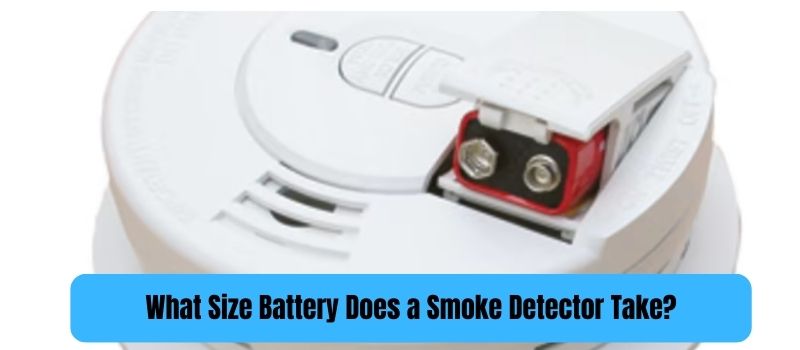
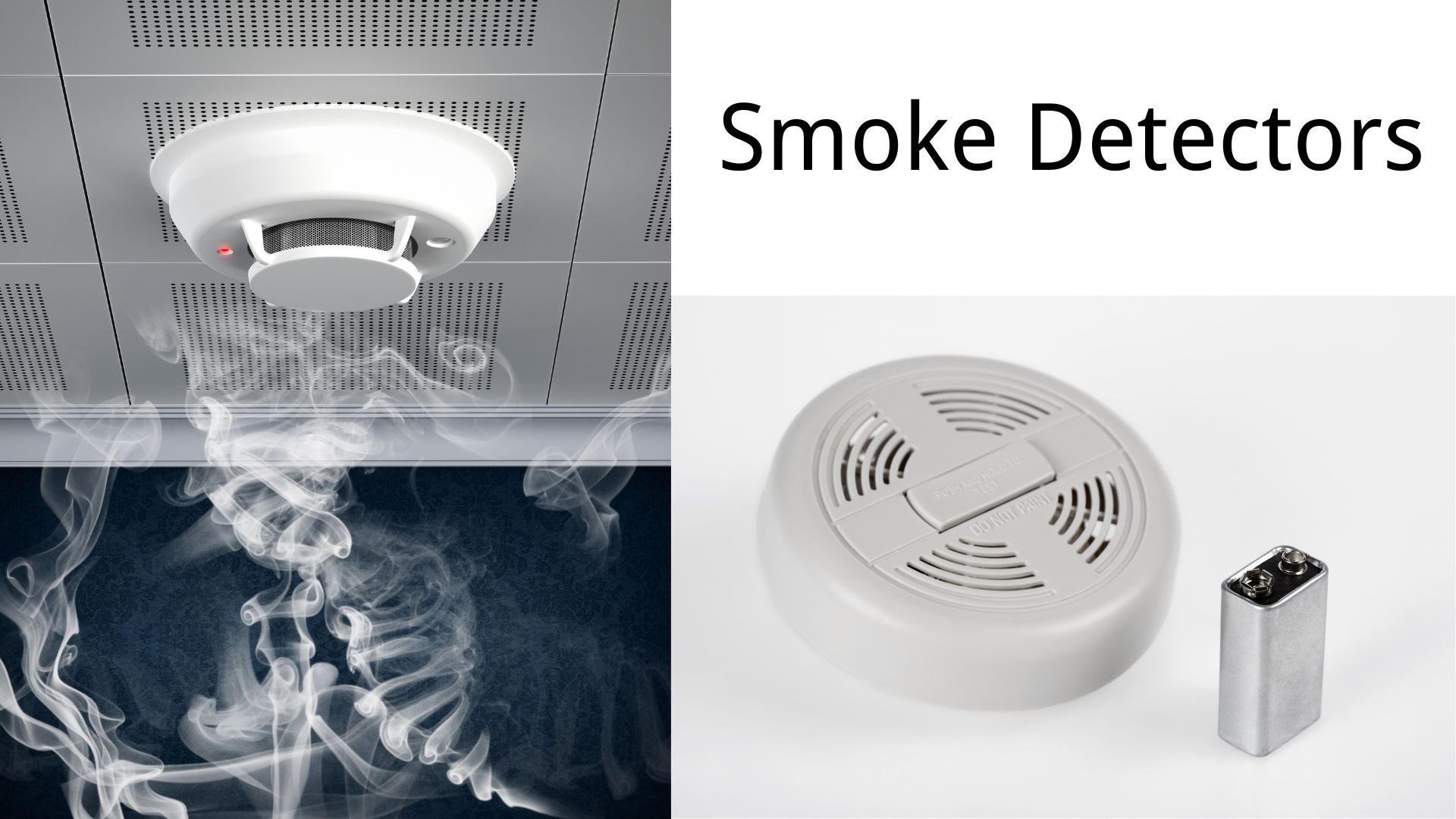
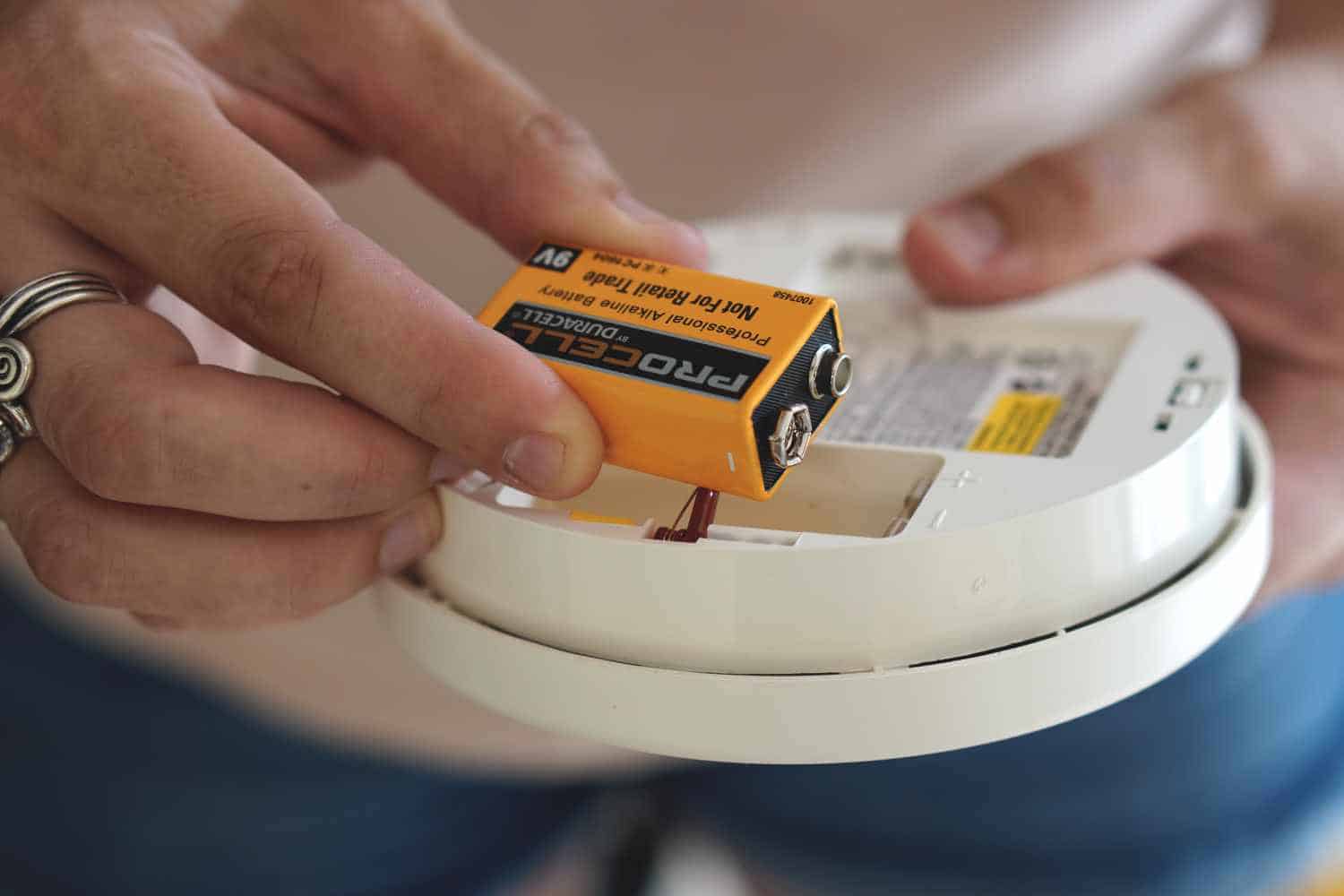
So, what are the common culprits? The undisputed heavyweight champion, found in a vast majority of smoke detectors, is the 9-volt battery. This rectangular, somewhat chunky battery with two terminals (one positive, one negative) is what you'll most often find when you pop open your alarm. However, some newer, sleeker, or more compact models might surprise you by using AA or even AAA batteries. These are often seen in combination smoke and carbon monoxide (CO) detectors or specific designer models. A really important variation to note is the rise of sealed 10-year battery units. These detectors come with a non-replaceable battery designed to last the entire lifespan of the alarm itself, meaning no more battery changes! And don't forget hardwired detectors – while they draw power from your home's electrical system, most still have a battery backup, usually a 9-volt, to keep them working during power outages.
Must Read
Ready for some super simple, practical tips? First, the most straightforward approach: if your alarm is chirping, carefully open the battery compartment and just look! The battery itself, or the compartment, will often indicate the size. If you can't swap it immediately, snap a quick photo with your phone for reference. Second, always keep a few spare 9-volt batteries in your home emergency kit; they're incredibly versatile. Third, make it a habit to test your smoke detectors monthly by pressing the test button. And perhaps the most widely recommended tip: replace all your smoke detector batteries at least once a year, even if they aren't chirping. A great mnemonic is to do it when you change your clocks for daylight saving time. This ensures peak performance and gives you peace of mind.
Ultimately, getting to grips with what size battery your smoke detector takes isn't just about avoiding a nighttime nuisance; it's about taking a small, but incredibly significant, step towards a safer home. It’s a moment of preparedness that pays off in invaluable peace of mind. Be the household hero who knows their 9-volts from their AAs, and enjoy the quiet confidence that comes with being prepared!