
What Size Ac Do I Need For 1000 Square Feet
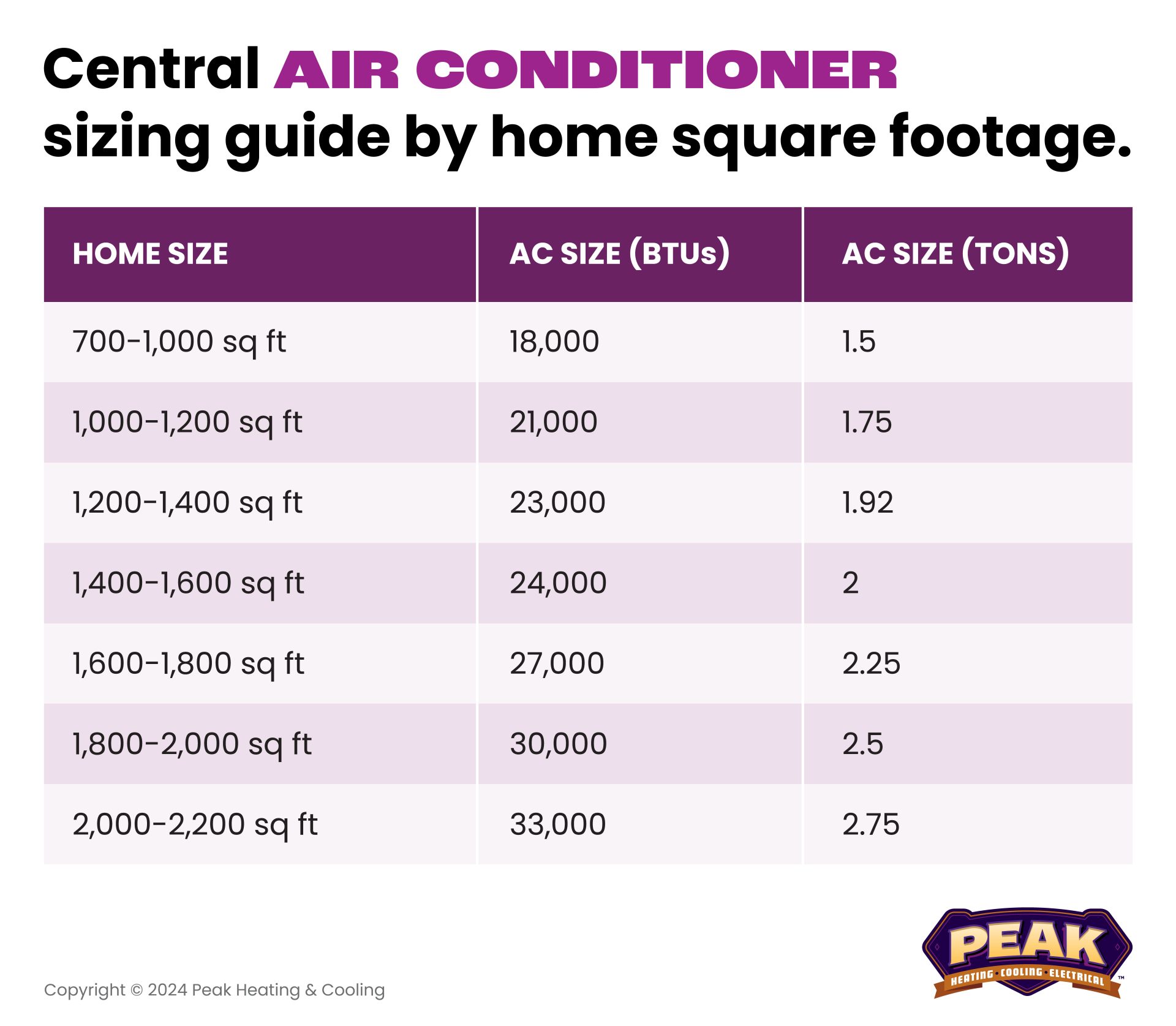
Figuring out the right size air conditioner for your space is a bit like Goldilocks finding the perfect porridge – you don't want it too big, you don't want it too small, you want it just right! Why? Because comfort and cost savings are on the line. No one wants to swelter in the summer heat or see their energy bills skyrocket due to an inefficient AC unit. Let's explore what size AC is ideal for a 1000 square foot space.
The purpose of matching your AC size to your square footage is simple: efficiency and effectiveness. An AC that's too small will struggle to cool the space adequately, running constantly and potentially burning out prematurely. On the other hand, an AC that's too powerful will cool the space too quickly, leading to short cycling (frequent on-off cycles). This can leave you with uneven temperatures, increased humidity, and higher energy bills. The sweet spot ensures consistent cooling, comfortable humidity levels, and optimal energy consumption.
So, how do we determine the right size? AC size is typically measured in British Thermal Units (BTUs). A BTU represents the amount of heat required to raise the temperature of one pound of water by one degree Fahrenheit. A general rule of thumb is that you need 20 BTUs per square foot of living space. Therefore, for a 1000 square foot area, you would generally need an AC unit with around 20,000 BTUs.
Must Read
However, this is just a starting point. Several factors can influence the BTU requirement. Consider these:

- Climate: If you live in a hot and humid climate, you might need a slightly larger unit.
- Insulation: Well-insulated homes require less cooling power.
- Windows: Lots of windows, especially those facing south or west, can increase the heat load. Consider the type of glazing; double-paned windows offer better insulation.
- Ceiling Height: Higher ceilings increase the volume of air to be cooled.
- Occupancy: More people in the space generate more heat.
- Sun Exposure: A shady house requires less cooling than one in direct sunlight.
- Heat-Generating Appliances: Think about the heat produced by computers, ovens, and other appliances.
In education, understanding BTU calculations and heat load is essential for students studying HVAC (Heating, Ventilation, and Air Conditioning) or building science. They learn to perform accurate load calculations to design efficient and comfortable indoor environments. In daily life, this knowledge empowers homeowners to make informed decisions when purchasing or upgrading their AC systems.
Let’s look at a couple of simplified examples. Imagine you're setting up a classroom (1000 sq ft) with lots of computers. You might need to increase the BTU rating slightly to account for the additional heat. Conversely, if you live in a small, well-insulated apartment (1000 sq ft) in a mild climate, you might be able to get away with a slightly smaller unit.

Practical Tip: Many online BTU calculators can help you estimate your AC needs. Input your square footage and other relevant factors to get a more personalized recommendation. Consulting with a qualified HVAC professional is always a good idea, especially for complex installations. They can conduct a thorough heat load analysis and recommend the most appropriate AC system for your specific needs. You can also check energy star ratings for efficiency to save on energy consumption, which is vital for minimizing your carbon footprint.
Exploring the world of AC sizing might seem a bit technical at first, but understanding the basics empowers you to make smart choices that impact your comfort, energy bills, and the environment. So, take a moment to assess your needs, do some research, and find the perfect AC "porridge" for your space!
:max_bytes(150000):strip_icc()/air-conditioning-chart-1152654_final-02-c37c8b4fdf08432baf378e8f0cb9d8e0.jpg)
