
What Prevents Odysseus From Killing The Sleeping Cyclops

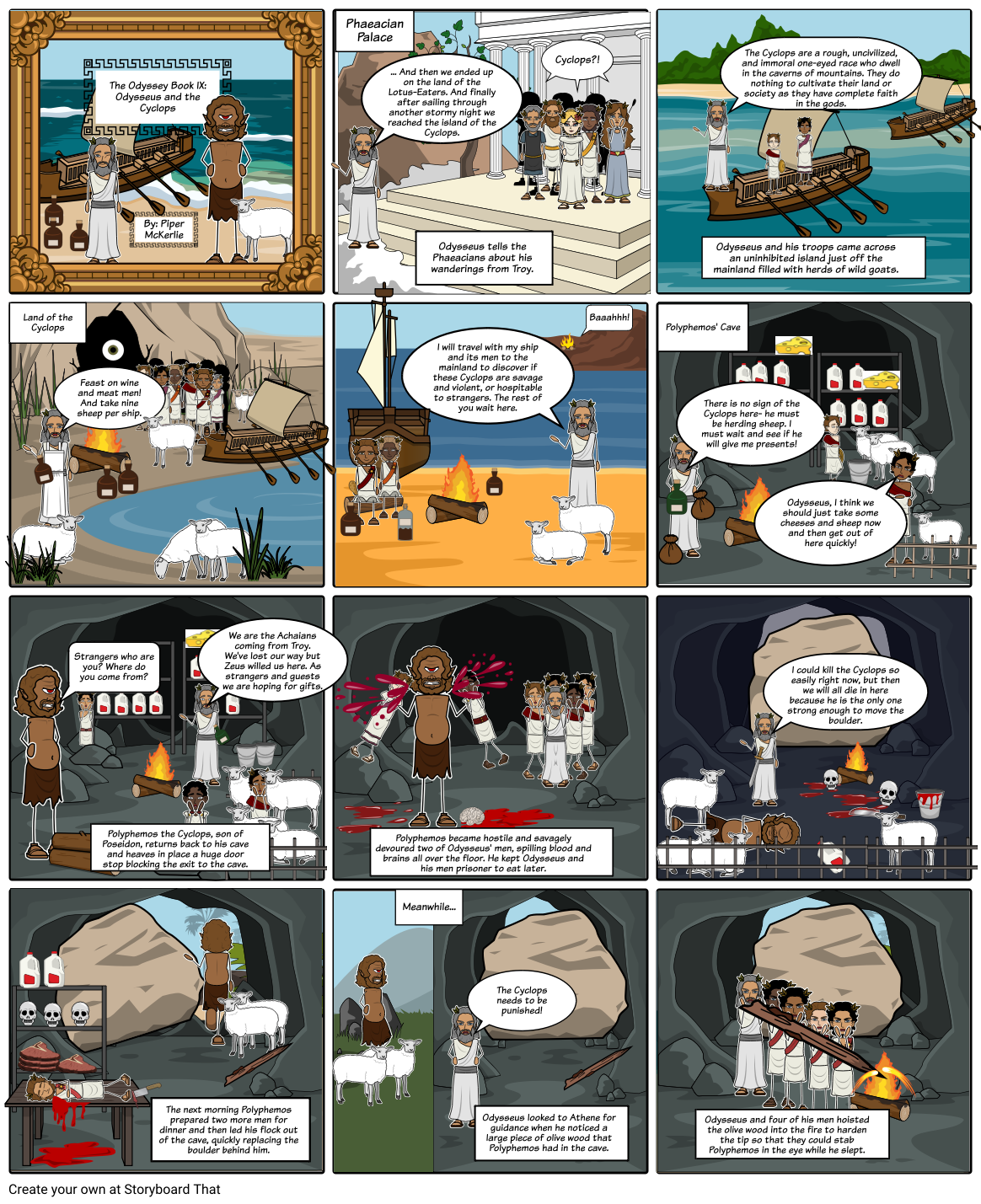
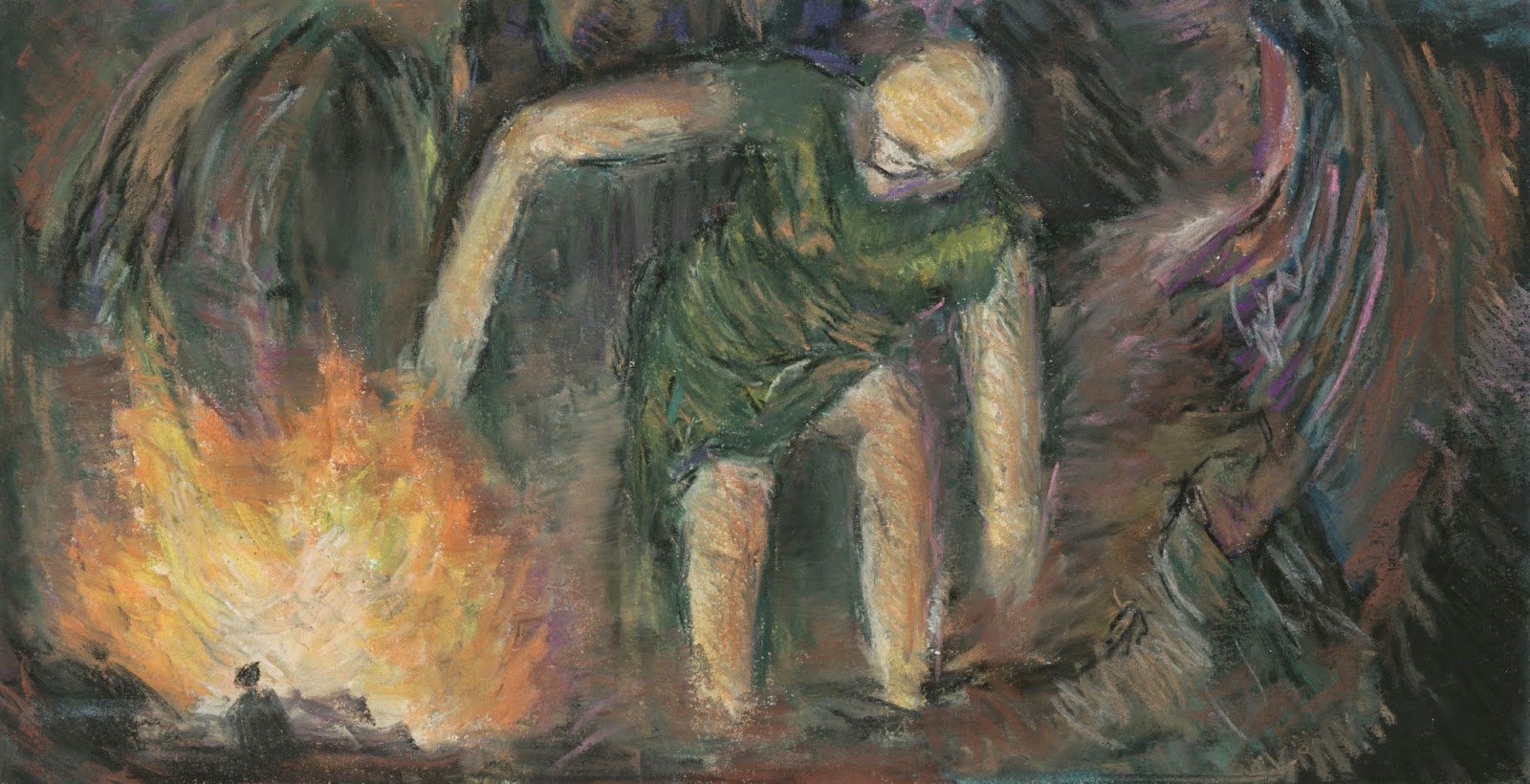
Okay, picture this: you're Odysseus, right? Tough guy, super smart, just generally awesome. You and your crew are trapped in a cave with a HUGE, one-eyed monster – the Cyclops, Polyphemus! He’s currently snoring like a freight train after a hearty meal (of some of your friends, yikes!).
Your first thought? Probably the same as mine: "Stab him! Now! While he's vulnerable!" I mean, it’s a pretty reasonable response to being held captive by a giant man-eating beast. But hold on a second, because Odysseus, being the clever chap that he is, realizes something crucial.
The Gigantic Door Dilemma
Let's think about this practically. You’ve got a sharpened stake, ready to go. Polyphemus is out cold, so stabbing him in the eye seems like a perfectly logical solution to your giant-sized problem. Victory is practically yours!
Must Read
But then comes the harsh reality. Remember that enormous boulder blocking the cave entrance? Yeah, the one only Polyphemus can move. Big problem!
Imagine trying to move your sofa after Thanksgiving dinner. Now multiply that by, like, a thousand. That’s the situation our hero is in. Escape impossible!
Think Outside The Cave (Literally)
So, Odysseus does a quick cost-benefit analysis. Stab the Cyclops, Cyclops dies (hopefully), but then you're all permanently stuck in a cave of doom. Not exactly a winning strategy.
It’s like disabling your car’s engine while you’re parked in the middle of a busy highway. Sure, the engine’s not making noise anymore, but you're in a much worse predicament than before. You need the monster alive, at least for now, in order to escape the cave.
Therefore, the hero needs to think outside the box, which in this case is a dank, smelly cave with a Cyclops. This is more than you can imagine!
The Heavy Truth About Doors
The real reason Odysseus can't just off Polyphemus in his sleep boils down to one simple, incredibly frustrating fact: nobody else is strong enough to move the door. That rock is their prison. You will be stuck there for life.
Think of it like this: you might be able to sneak into a bank vault while the guards are napping. But if you can't open the vault door from the inside, all you've accomplished is trapping yourself with a pile of money and a really bad headache. Not a great outcome.
So killing the beast might feel really really good. But really, you are signing up to die in that cave too. Not so good!
A Moment of Strategic Genius
Odysseus is a master strategist, known for his cunning and intelligence. He knows that brute force isn't always the answer. Sometimes, you have to outsmart your opponent, even if that opponent has only one eye and a serious anger management issue.
It's like playing chess. You could sacrifice your queen for a quick attack, but a smart player considers the long game. Odysseus is a chess grandmaster trapped in a very smelly, very dangerous game of cave survival.
He’s thinking several steps ahead, even when those steps involve blinding a Cyclops instead of killing him outright. Remember that for the test later!

The "Living Key" to Freedom
In essence, Polyphemus, in his monstrous, man-eating glory, is the "living key" to their escape. Gross, right? But true. They need him alive, and functioning (sort of), to move that darn rock.
Imagine needing your grumpy Uncle Bob to fix your plumbing, even though he constantly complains and spills coffee everywhere. He's the only one who knows how to do it, so you have to put up with him. That is Polyphemus!
It's a terrible situation to be in, but Odysseus recognizes the reality of it. So do you now!
The Risks of Impatience
Think about it, if Odysseus had acted rashly and killed the Cyclops in his sleep, the story would have ended very differently. It would be much shorter. And much sadder.
It would be like a cooking show where the chef accidentally sets the kitchen on fire halfway through the recipe. Entertaining for a moment, but ultimately a disaster. Odysseus avoids that culinary catastrophe of cave dwelling.
There would be no epic journey home, no encounters with sirens or sea monsters, just a bunch of dead Greeks and one very large, very still boulder. So boring!

A Lesson in Practicality (and Monster Management)
Ultimately, Odysseus's decision not to kill the sleeping Cyclops is a testament to his practicality and his ability to think under pressure. He prioritizes the safety of his crew and understands the limitations of their situation. He is a real hero.
It's a lesson in monster management, really. Sometimes, the best solution isn't the most obvious or the most satisfying. You have to swallow your pride, put your strategic thinking cap on, and figure out how to use your enemies to your advantage.
And let's be honest, blinding him later is pretty satisfying, too. Right? Yeah!
Why This Matters
This moment in The Odyssey isn't just about escaping a cave. It's about the importance of planning, thinking strategically, and recognizing that sometimes, the hardest choices are the right ones. He is such a great planner!
It's about understanding that immediate gratification isn't always the best course of action. Especially when you're dealing with a one-eyed giant with a penchant for human flesh. Ew!
So, the next time you're faced with a difficult decision, remember Odysseus and the sleeping Cyclops. Consider all your options, think ahead, and don't let your anger get the best of you. Unless, of course, your only other option is being eaten alive. Then, all bets are off!
The Real Hero: Restraint
In the end, the reason Odysseus doesn't kill the sleeping Cyclops isn't just about the boulder, it's about restraint. It's about making a difficult decision for the greater good. It's about being a true leader. He rules!
He understands that sometimes, the most heroic thing you can do is to hold back, to strategize, and to find a more clever solution than simply resorting to violence. Even against a monster who definitely deserves it.
So next time you're tempted to act impulsively, think of Odysseus and the Cyclops. Take a deep breath, assess the situation, and ask yourself: "What would a cunning Greek hero do?" And hopefully, you'll avoid ending up trapped in a cave with a giant and a really, really big rock.
Final Thoughts
Odysseus's decision is a classic example of delayed gratification, a crucial skill for surviving not just mythical adventures, but also everyday life. He sure has a lot of it.
It shows us that true strength isn't always about physical power, but about intelligence, foresight, and the ability to make tough choices when the stakes are high. So true for all people!
And let’s be real, it also makes for a much more interesting story than if he’d just stabbed the Cyclops and called it a day. So glad he thought of that!