What Natural Resource Does Plastic Come From

Ever wonder where that ubiquitous plastic water bottle, your phone case, or even the packaging keeping your favorite snacks fresh comes from? It's a material we use every single day, and understanding its origins is surprisingly fascinating! It all boils down to one key natural resource: something that's been powering our cars, heating our homes, and, yes, forming the building blocks of the plastic world.
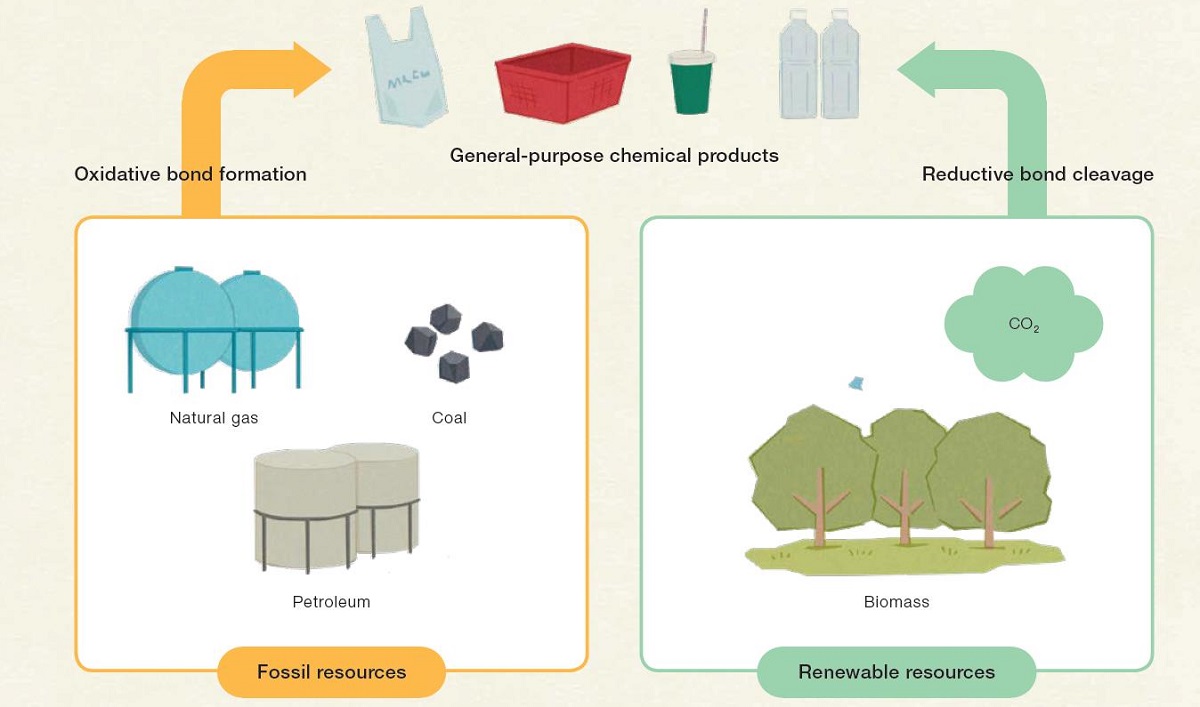
So, what is this mystery resource? Drumroll please... it's crude oil, also known as petroleum! You might be thinking, "Wait, the same stuff that makes gasoline is in my kid's toys?" The answer is a resounding yes! But how does a thick, black liquid transform into a colorful, bendable, or rigid material?
Here's the simplified breakdown: Crude oil is a complex mixture of hydrocarbons – molecules made of carbon and hydrogen atoms. These hydrocarbons need to be separated and processed through a method called refining. Think of it like sorting a giant box of LEGO bricks by color and size. Refining separates the crude oil into different components, including naphtha, which is a crucial ingredient for making plastic.
Must Read
Next comes polymerization. This is where the magic happens! Naphtha is treated using heat and catalysts to break down large hydrocarbon molecules into smaller units called monomers. These monomers then link together to form long chains called polymers. Polymers are the fundamental building blocks of plastic, and different types of polymers create different types of plastic with varying properties, like flexibility, strength, and heat resistance.
The purpose of using crude oil to make plastic is primarily for its versatility and cost-effectiveness. Plastic is incredibly moldable, meaning it can be shaped into almost anything we can imagine. It's also relatively inexpensive to produce on a large scale, making it a popular choice for a wide array of applications. Think about packaging that protects food from spoiling, medical devices that save lives, and lightweight car parts that improve fuel efficiency. These are just a few examples of the benefits plastics derived from crude oil offer.

However, it’s important to acknowledge that reliance on fossil fuels for plastic production also presents challenges. The extraction, refining, and manufacturing processes can have environmental impacts. That's why there's growing research and development focused on bio-based plastics made from renewable resources like corn starch or sugarcane, as well as improving plastic recycling technologies.
So, the next time you reach for a plastic item, remember its surprising origin story. It's a testament to human ingenuity and the transformative power of natural resources, even as we strive for more sustainable solutions for the future!