What Metals Are In Brass Alloys
There’s something undeniably captivating about brass. Perhaps it’s that warm, golden gleam that seems to catch the light just so, or maybe it’s the satisfying weight and cool touch of a well-crafted brass object. From the intricate detailing on an antique lamp to the vibrant melodies soaring from a trumpet, brass has a unique way of enriching our lives, often without us even realizing the clever science behind its enduring appeal. It's a material that blends beauty with incredible utility, a true workhorse in disguise.
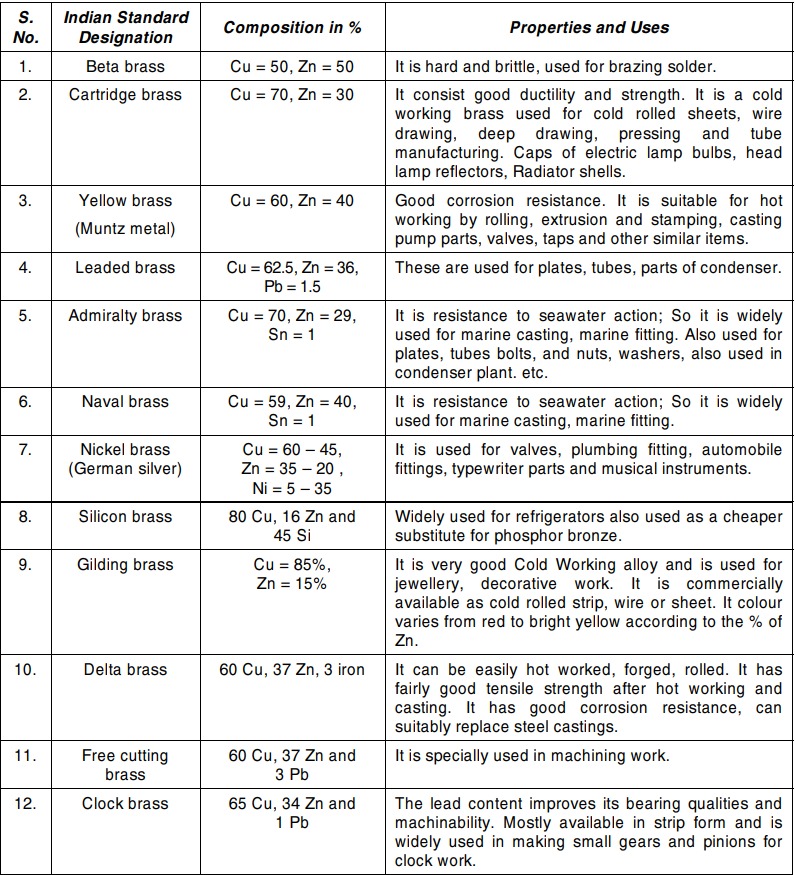
So, what exactly gives brass its remarkable qualities? The secret lies in its fundamental composition: brass is an alloy, meaning it's a metal made by combining two or more metallic elements. In the case of brass, it's primarily a harmonious marriage of copper and zinc. These two metals, when blended, create something far greater than the sum of their parts. Copper, a soft, reddish metal, contributes excellent electrical conductivity and corrosion resistance. Zinc, on the other hand, is a bluish-white metal that adds significant strength and durability to the mix.
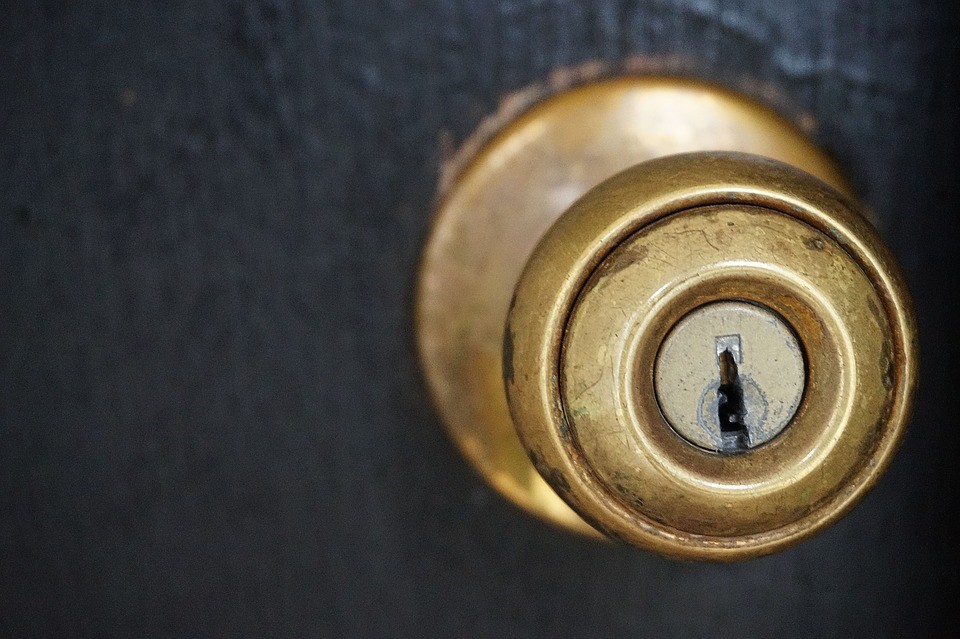
This ingenious combination gives brass its unique set of benefits. It’s incredibly malleable, meaning it can be easily shaped and formed into complex designs, which is why we see it in everything from ornate sculptures to delicate instrument parts. It’s also highly resistant to corrosion and tarnish, making it a favorite for outdoor hardware and plumbing fixtures like faucets and valves, where longevity is key. Beyond its practical strengths, brass boasts superb acoustic properties, which is why it’s the heart and soul of so many musical instruments – think trumpets, trombones, and saxophones, all singing with that distinctive brassy tone. Its attractive appearance also makes it a popular choice for decorative items, lamps, door handles, and countless other elements that add a touch of classic elegance to our homes.
Must Read
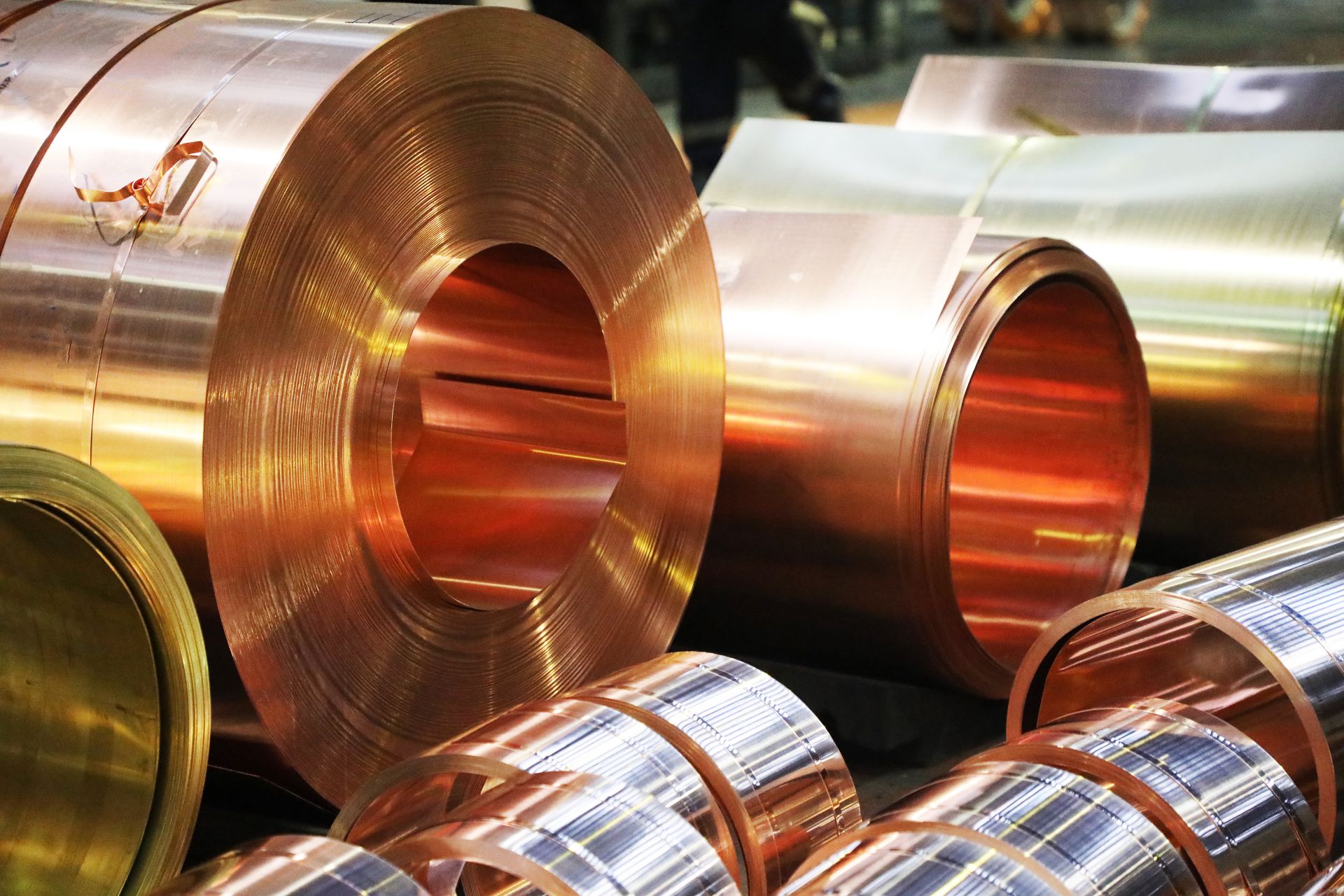
The beauty of brass doesn't stop there; its composition isn’t always a rigid 50/50 split. The proportions of copper and zinc can be varied, leading to different types of brass, each with slightly altered properties and even colors. For instance, brass with a higher zinc content tends to be harder and yellower, often seen in common hardware. Conversely, brass with a greater percentage of copper will have a reddish tint, known as "red brass," and be more ductile. Understanding these subtle differences can help you appreciate the specific qualities engineered into various brass products.
To enjoy brass more effectively, pay attention to its subtle nuances. Notice the various hues, from deep reddish-brown to bright golden-yellow, which hint at its specific copper-zinc ratio. Appreciate its weight – a sign of its density and durability – and its pleasant metallic ring when tapped. To keep your brass looking its best, a simple polish with a soft cloth and a specialized cleaner will restore its original luster, protecting that gorgeous gleam that makes brass such a timeless and beloved material. By understanding the foundational role of copper and zinc, you can truly appreciate the enduring magic of brass in our everyday lives.