
What Kind Of Oil Does A Generator Take

Okay, let's talk generator oil. Sounds boring, right? Wrong! It's actually kinda fascinating. Think of it as the lifeblood of your portable power source. Without the right stuff, things go kaput! And nobody wants that, especially during a power outage when you're relying on your generator to keep the lights on and the fridge humming.
So, What's the Deal with Generator Oil?
It's not just any oil. Sorry to burst your bubble if you were thinking of raiding the pantry. Your generator's engine, even the small ones, needs a specific type of oil to purr like a kitten… a kitten that can power your entire living room, that is.
Why is it so special? Well, generator oil does a bunch of things. It lubricates moving parts, reducing friction and wear. Think of it as a tiny ice rink for all the metal bits inside. It also helps to cool things down. Engines get hot! And it helps to clean – carrying away dirt and debris.
Must Read
Plus, some oils contain additives that protect against rust and corrosion. Imagine your generator battling the elements, like a tiny metal warrior! Good oil gives it armor.
Decoding the Oil Mystery: Numbers and Letters
You'll see numbers and letters on oil bottles, like 10W-30 or SAE 30. What does it all mean? Don't panic! It’s not rocket science. (Unless you're using your generator to power a rocket, which... cool!).

Those numbers refer to the oil's viscosity – how thick or thin it is. Think of it like honey versus water. 10W-30 is a multi-grade oil. The "W" stands for "winter." It means the oil performs well in colder temperatures. The lower the first number, the better it flows when it's chilly. The second number indicates the viscosity at higher temperatures.
SAE 30, on the other hand, is a single-grade oil. It's best suited for warmer weather. Using the wrong viscosity can cause problems. Too thick in the cold? Your engine might struggle to start. Too thin in the heat? Not enough lubrication!
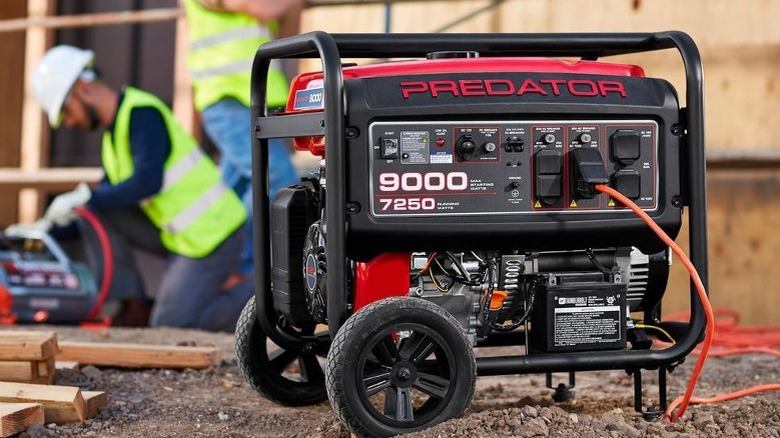
The Champion: Synthetic vs. Conventional
Now, for the big debate: synthetic or conventional oil? Synthetic oil is like the superhero version. It's man-made (or woman-made!) and designed for superior performance. It typically lasts longer, handles higher temperatures better, and provides better protection overall. It's also usually more expensive. Think of it as the premium fuel for your power plant.
Conventional oil is the more budget-friendly option. It's refined from crude oil. It works just fine for most generators, especially if you change it regularly. It's like the reliable, old faithful of the oil world.

Which one should you choose? That depends! Check your generator's owner's manual. Seriously, read the manual! It'll tell you the manufacturer's recommendations. And consider your budget and how often you use your generator.
Oil Change Time! (It's Easier Than You Think)
Changing the oil is crucial. Think of it as giving your generator a refreshing spa day! Dirty oil is bad news. It loses its lubricating properties, can clog things up, and even damage your engine. Eek!
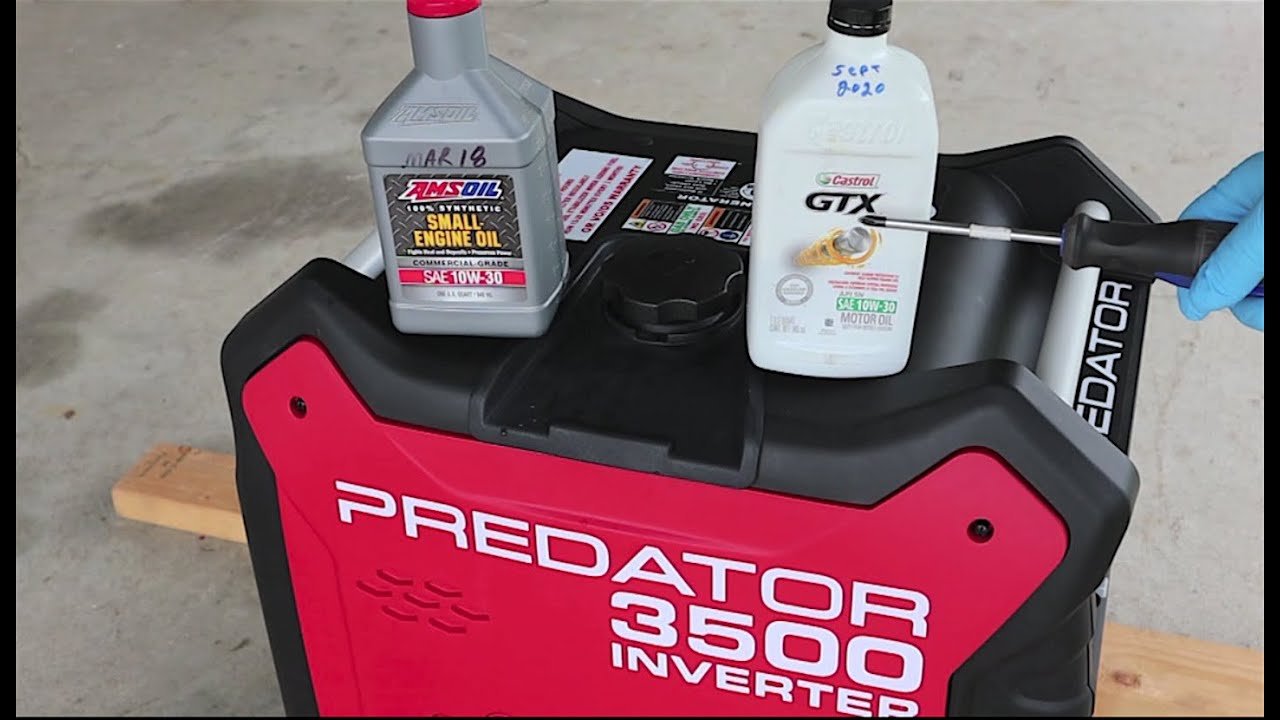
Most generators need an oil change every 50 to 100 hours of operation. Again, consult your manual! The process is usually pretty straightforward. You'll need the right type of oil, an oil filter wrench (sometimes), a drain pan, and some rags. Watch a YouTube video – there are tons of helpful tutorials out there.
Pro Tip: Change the oil while the engine is still slightly warm (but not hot enough to burn yourself!). The oil will flow more easily.
Fun Facts (Because Why Not?)
* Did you know some people use used cooking oil to power generators? It's called biodiesel! But don't try this at home unless you know what you're doing. Seriously. * The world's first electric generator was invented by Michael Faraday in 1831. Talk about a game-changer! * Generator oil isn't just for generators. You can also use it in some lawnmowers and other small engines. But always double-check the manufacturer's recommendations. * Proper oil disposal is important! Don't just dump it down the drain. Take it to a recycling center or auto parts store.In Conclusion: Keep Your Generator Happy!
Choosing the right oil and changing it regularly is like giving your generator a big hug. It'll run smoother, last longer, and be ready to rumble when you need it most. So, don't neglect your generator's lifeblood. A little oil goes a long way in keeping the power flowing! And remember to consult your owner's manual – it's your generator's best friend (besides you, of course!).