
What Kind Of Battery For Smoke Alarm
Hey there, friend! Pull up a chair, grab a metaphorical (or real!) coffee. We need to talk about something super glamorous… nope, not fancy cars or exotic vacations. We’re diving into the thrilling world of smoke alarm batteries! Yeah, I know, riveting stuff, right? But seriously, that one chirp in the middle of the night? The one that sounds like a dying robot mocking your sleep? We’ve all been there. It’s the worst!
So, let's get down to brass tacks, or, you know, battery terminals. What kind of power source does that little lifesaver on your ceiling actually need? It's not usually some secret alien technology, I promise. Mostly, we're talking about a couple of usual suspects.
The Old Reliable: The 9V Battery
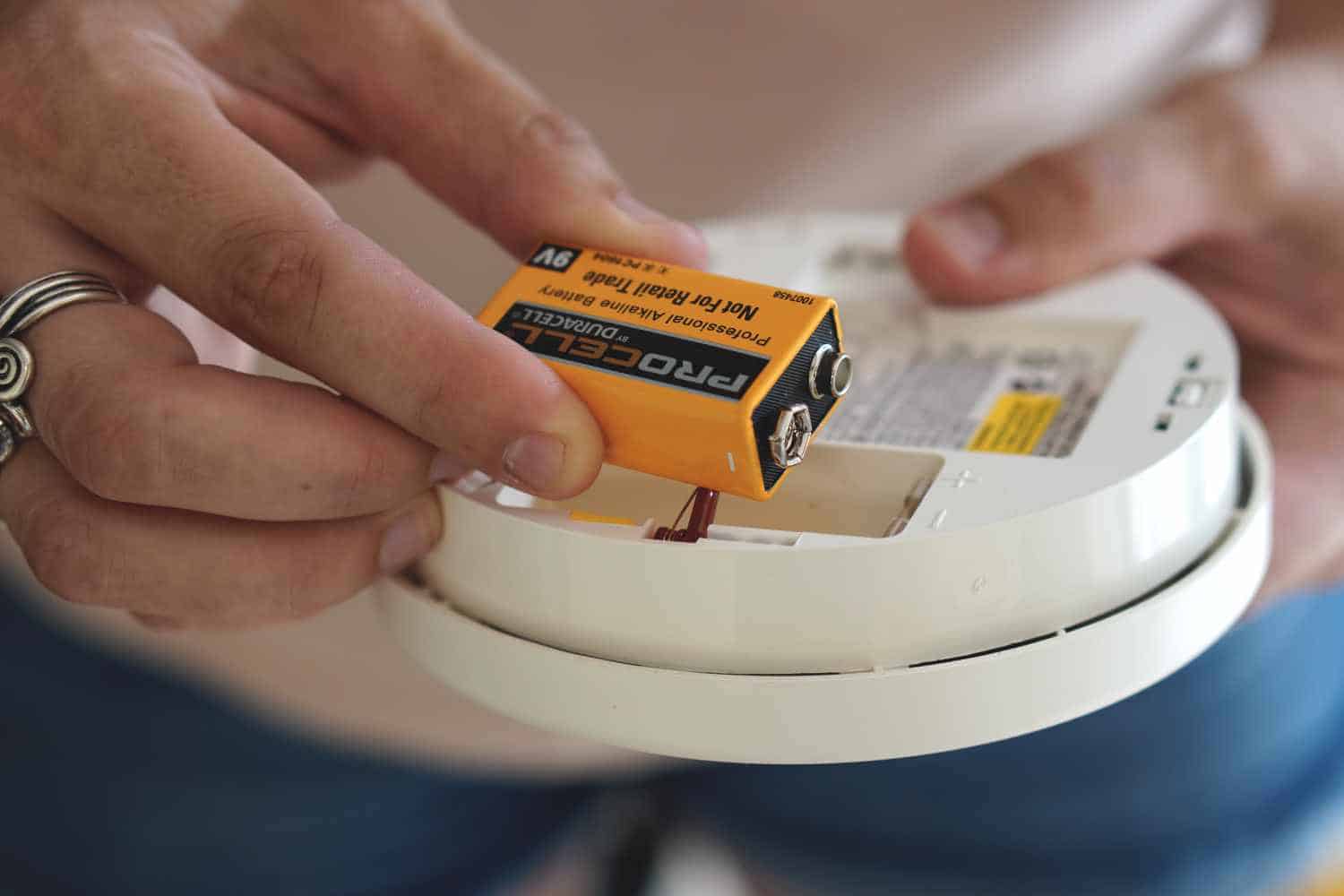
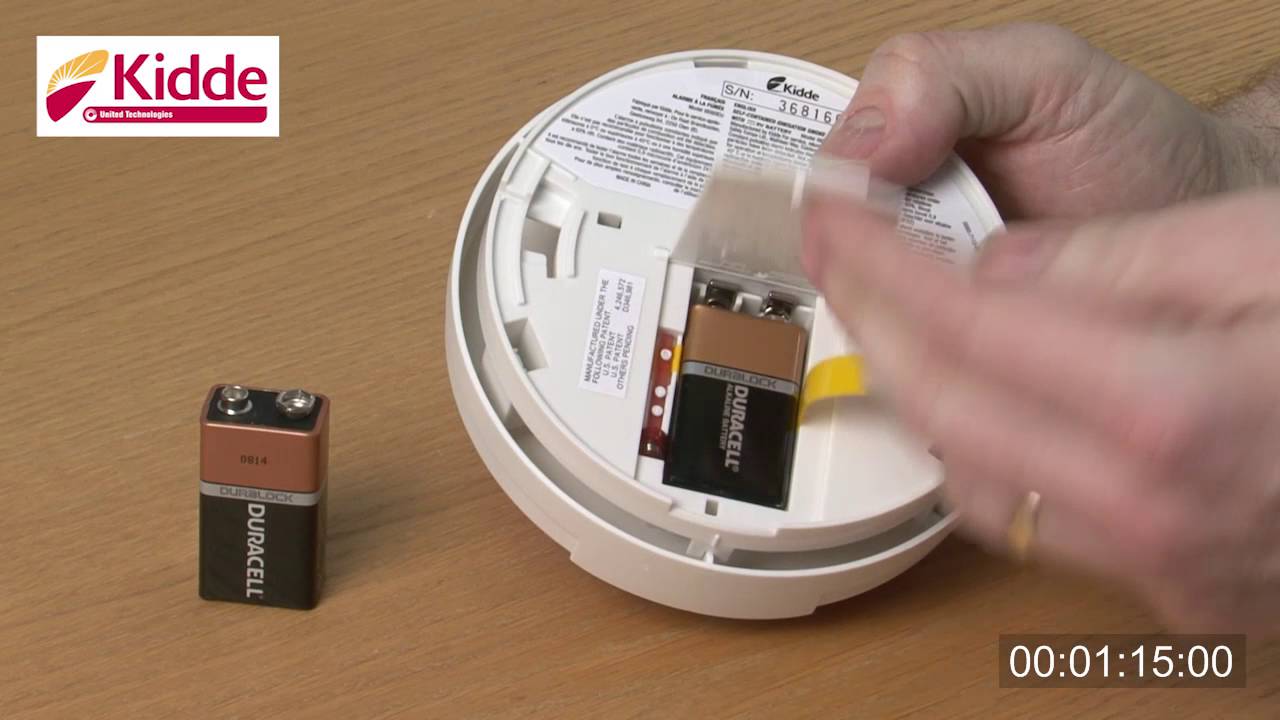
Ah, the 9V battery. This bad boy is probably what pops into your head first, right? It's like the default setting for smoke alarms. That chunky, rectangular prism with the two little snaps on top? Yep, that's the one. Many, many smoke detectors still rely on these.
Must Read
If your alarm is, shall we say, a classic model – not exactly fresh off the assembly line – chances are high it takes a 9V. It’s super common, super easy to find at any grocery store, hardware shop, or even that dodgy corner store that smells faintly of old candy and broken dreams. Just make sure you get a fresh one, okay? Don't go digging through your junk drawer for that half-dead one from 2008. Seriously.
Sometimes Different: AA or AAA Batteries
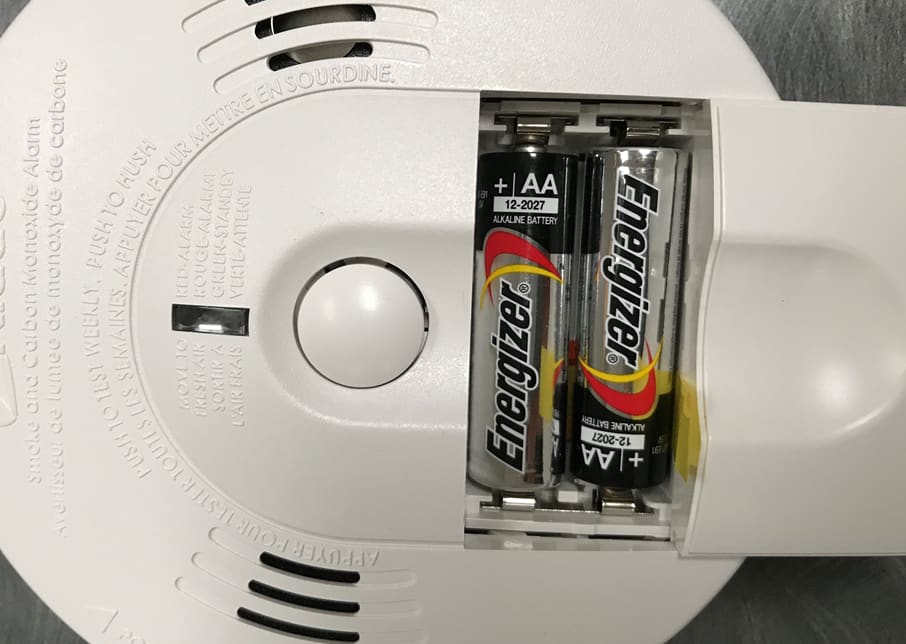
But wait! Not all heroes wear 9V capes. Some newer or specific models of smoke alarms have actually embraced the world of AA or AAA batteries. Shocking, I know! It’s a bit less common for the main power in traditional alarms, but definitely not unheard of, especially in some combination smoke/carbon monoxide detectors or specific brands.

So, before you rip open that multi-pack of 9Vs, maybe, just maybe, take a quick peek at the back of your alarm. Or the instructions, if you're one of those rare, organized humans who keeps them. It's a quick check that could save you a trip back to the store and a whole lot of head-scratching. "But I bought the RIGHT battery!" Narrator: It was, in fact, the wrong battery.
The Great Debate: Alkaline vs. Lithium
Okay, now for the real juicy stuff. You're standing in the battery aisle, paralyzed by choice. Do you grab the cheap alkaline ones, or shell out a bit more for the fancy lithium? It’s like choosing between a sensible sedan and a zippy sports car for your commute. Both work, but one's got a bit more oomph (and a higher price tag).
Alkaline batteries are your standard, go-to option. They're affordable, reliable, and will definitely get the job done for a good year or so. They’re the workhorses of the battery world. Just remember that annual change, alright? Because when they die, they really die, often with that annoying chirp that's designed to drive you absolutely bonkers.
Now, lithium batteries? These are the marathon runners. They typically last a lot longer – think five to ten years, depending on the brand and usage. That's a huge perk, especially if you have alarms in hard-to-reach places or just really hate changing batteries. The catch? They're more expensive upfront. But when you factor in not having to buy new ones every year for a decade? The math starts to look pretty good!
So, what’s the verdict? If you want to set it and (mostly) forget it, and your budget allows, lithium is often the winner for longevity. If you're happy with an annual battery-changing ritual and saving a few bucks upfront, alkaline is perfectly fine. Just make sure it’s a fresh alkaline, not that ancient relic from your flashlight drawer.
A Quick Word on Rechargeables (Spoiler: Don't Do It!)
Before you even think about it: don't use rechargeable batteries in your smoke alarms. Nope, no, nyet. Seriously. While great for remotes or kids' toys, they just aren't designed for the consistent, long-term power discharge that a smoke alarm needs. They can lose charge quicker and less predictably, which means your alarm might conk out sooner than you expect, leaving you unprotected. Not ideal, right? Stick to disposables for this one.
The "Sealed Battery" Conundrum
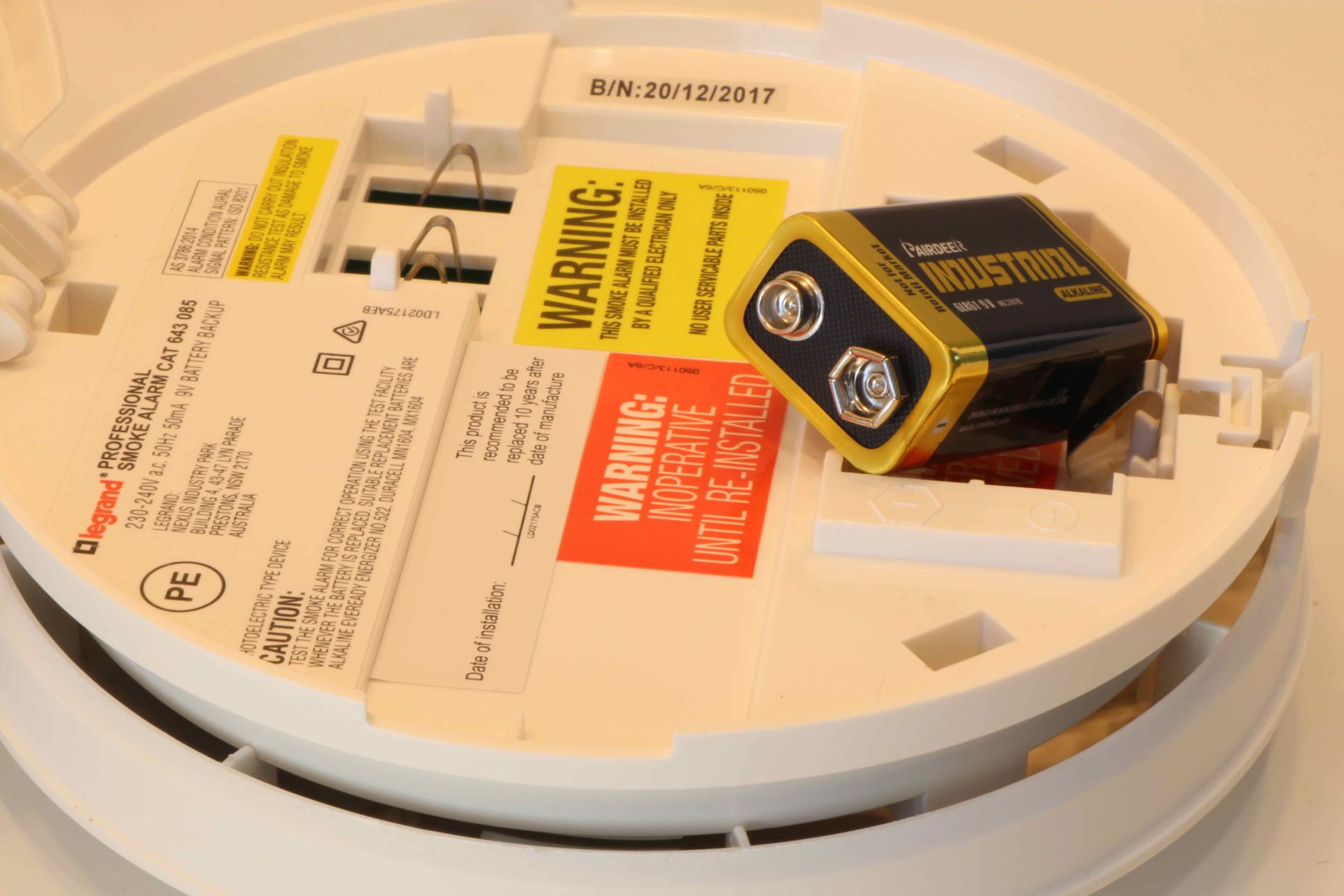
Okay, here’s a curveball for some of you. What if your smoke alarm just… doesn't open? What if it's like a mysterious, sealed black box? You might have an alarm with a sealed 10-year lithium battery. These are becoming more common. The idea is brilliant: install it, and you don't have to worry about changing the battery for a whole decade!
When that decade is up, though? You typically replace the entire unit. Yes, the whole shebang. No battery swap-out involved. It’s kinda cool, kinda wasteful depending on how you look at it. If you have one of these, you're off the hook for battery changes, but keep an eye on the manufacturing date! Set a reminder for ten years from now to replace the whole thing, okay?
When to Change It, Anyway?
Alright, so you know what kind of battery. But when do you actually swap it out? Besides that infernal chirp, of course! The general rule of thumb, especially for alkaline batteries, is to change them once a year. A super easy way to remember? Tie it to something else! Daylight Saving Time is a popular one: "Spring forward, change your batteries!" (And then "Fall back, check your batteries!"). Or your birthday. Or, you know, the anniversary of that time you really burned dinner.
And hey, don't forget to test your alarms monthly. That little "test" button? It's there for a reason! Give it a press, make sure it chirps loud and proud. It's like a quick health check-up for your home's most important sentinel.
Wrapping Up Our Battery Banter
Phew! Who knew there was so much to discuss about those little power cells, right? But seriously, having working smoke alarms isn't just a good idea, it's absolutely crucial for keeping you and your loved ones safe. So, take a moment, figure out what your alarms need, and make sure they're powered up and ready to go. Your peaceful sleep (and your life!) might just depend on it. Now, about that coffee… refill?