What Is Yield Stress Of Steel
Ever wondered why a skyscraper stands tall against fierce winds, or why your car's chassis keeps its shape even after a minor bump? It’s not magic; it’s materials science, and at the heart of it lies a fascinating property of steel called yield stress. While it might sound like a super-technical term from an engineering textbook, understanding yield stress is actually incredibly fun and useful, giving us a peek into the secret life of the materials that literally build our world. Think of it as steel's ultimate "don't mess with me" threshold, the critical point before things get permanently bent out of shape and lose their original function.
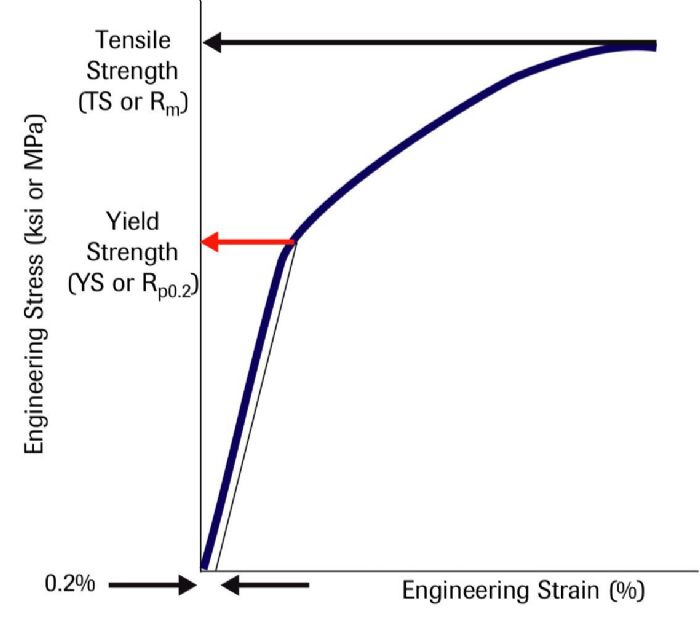
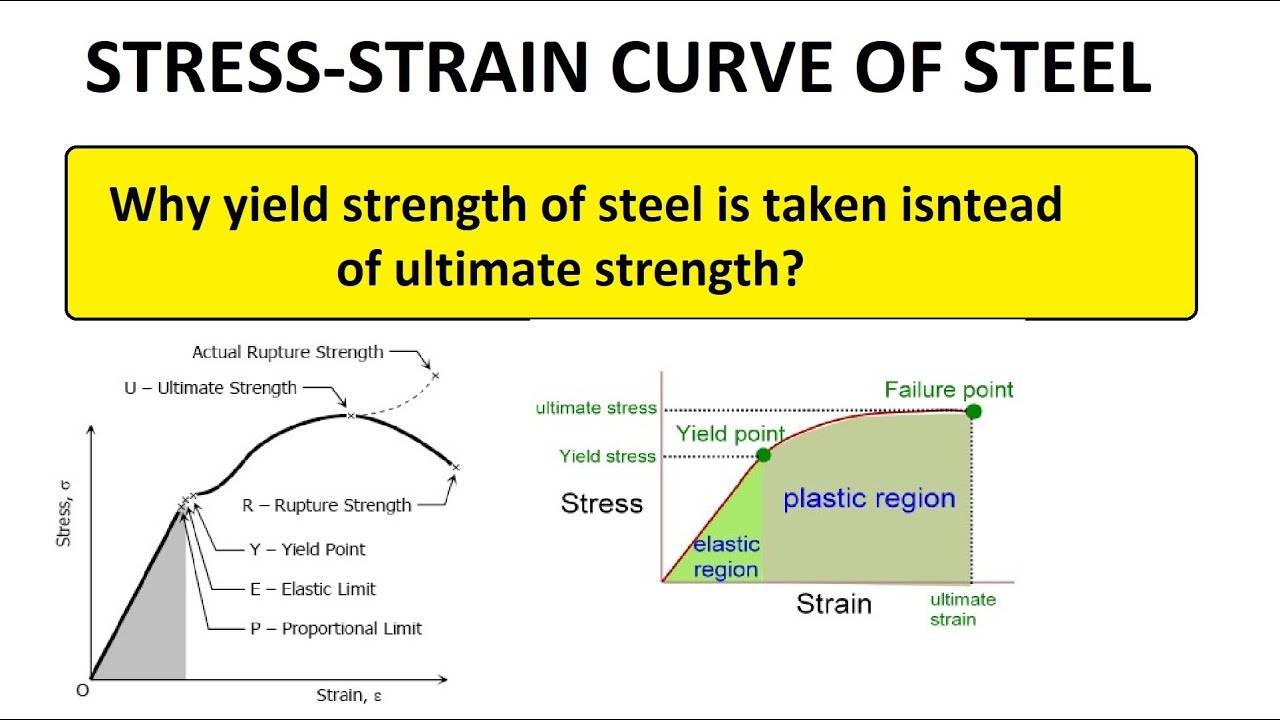
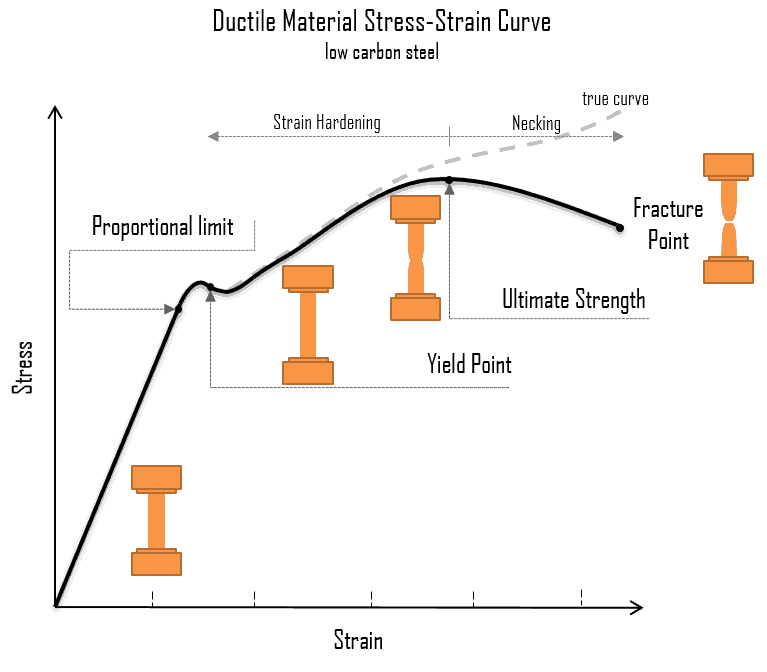
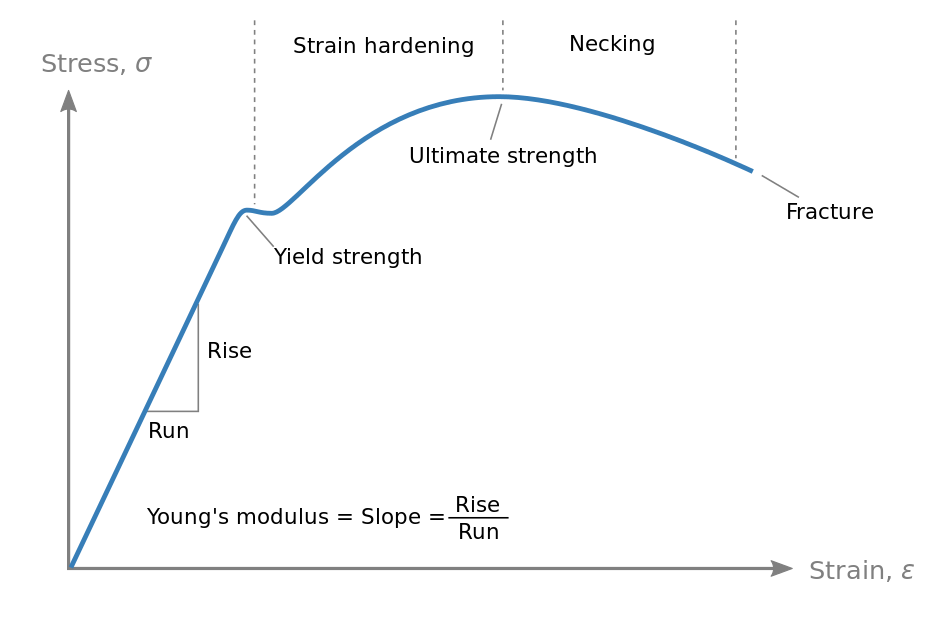
Let's break it down simply. Imagine you have a paperclip. If you bend it just slightly and then let go, what happens? It springs right back to its original shape, right? That's called elastic deformation – much like stretching a rubber band and watching it snap back. But if you bend that paperclip too far, it stays bent; it doesn't return to its original form. That permanent alteration is known as plastic deformation. For steel, yield stress is the precise amount of force or stress it can withstand before it crosses this critical boundary. It's the maximum stress a material can endure without undergoing any permanent deformation. Beyond this specific point, even if you remove the applied load, the material will have been irrevocably changed and won't revert to its initial dimensions. This threshold is paramount for predicting a material's behavior under load.
So, why is this invisible threshold, this magical tipping point, so profoundly important? Engineers absolutely rely on understanding yield stress for countless applications, ensuring both safety and optimal performance. Firstly, and perhaps most critically, it's all about safety. When designing anything from a colossal bridge to a delicate surgical instrument, engineers need to know exactly how much load the steel components can handle without permanently deforming or, even worse, failing catastrophically. Exceeding the yield stress means a structure might sag, buckle, or deform in unpredictable ways, rendering it unsafe and potentially disastrous. Engineers always design with a significant 'margin of safety' below the yield stress to prevent any permanent damage during normal operation.
Must Read
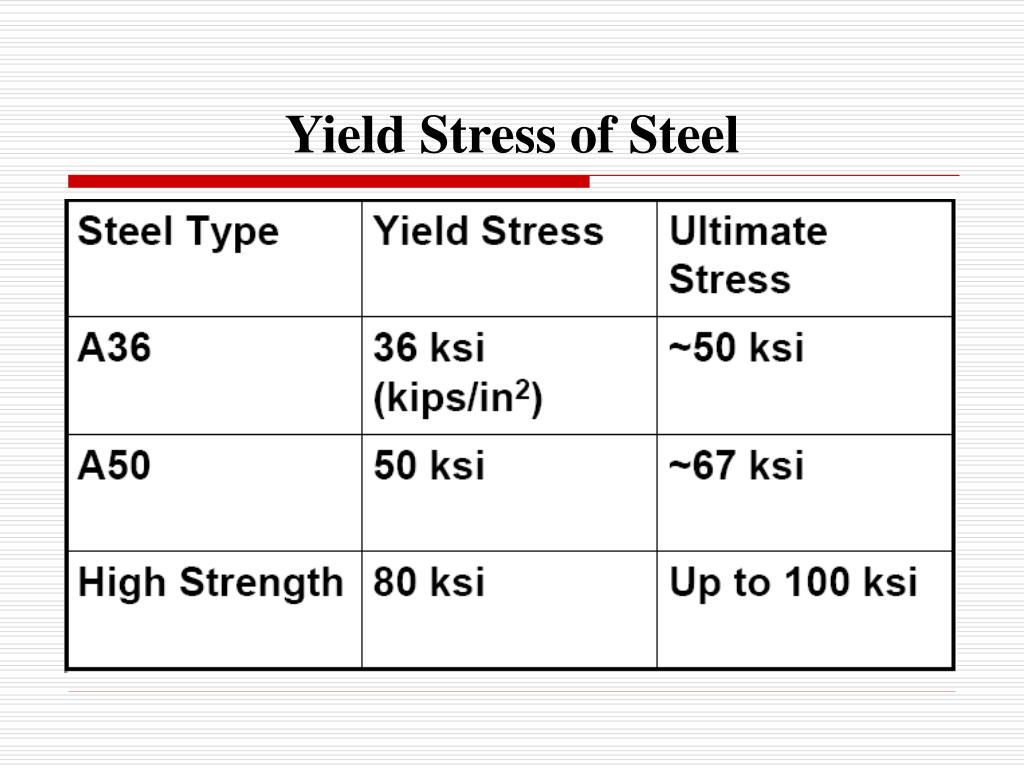
Secondly, it's crucial for efficient design and precision manufacturing. Knowing steel's yield stress allows designers to optimize material use, ensuring components are strong enough for their intended purpose without being excessively heavy, bulky, or expensive. This saves resources and reduces costs. In manufacturing, processes like bending, stamping, and forming intricate steel sheets rely entirely on applying forces carefully below the yield stress. This ensures that the steel takes on the desired precise shape without unwanted permanent distortion, cracking, or weakening. Imagine trying to make a perfectly shaped car panel without this knowledge! Finally, yield stress plays a vital role in informed material selection. Different types of steel have vastly varying yield strengths. A structural engineer might choose a high-yield-strength steel for a load-bearing column in a skyscraper to maximize strength, while an automotive designer might select a steel with a slightly lower yield but better ductility (ability to deform significantly before breaking) for vehicle crumple zones to absorb impact energy. It's about picking the right 'tool' for the specific job, ensuring longevity, reliability, and ultimately, our safety and confidence in the structures and products that surround us every day.