What Is W In Periodic Table
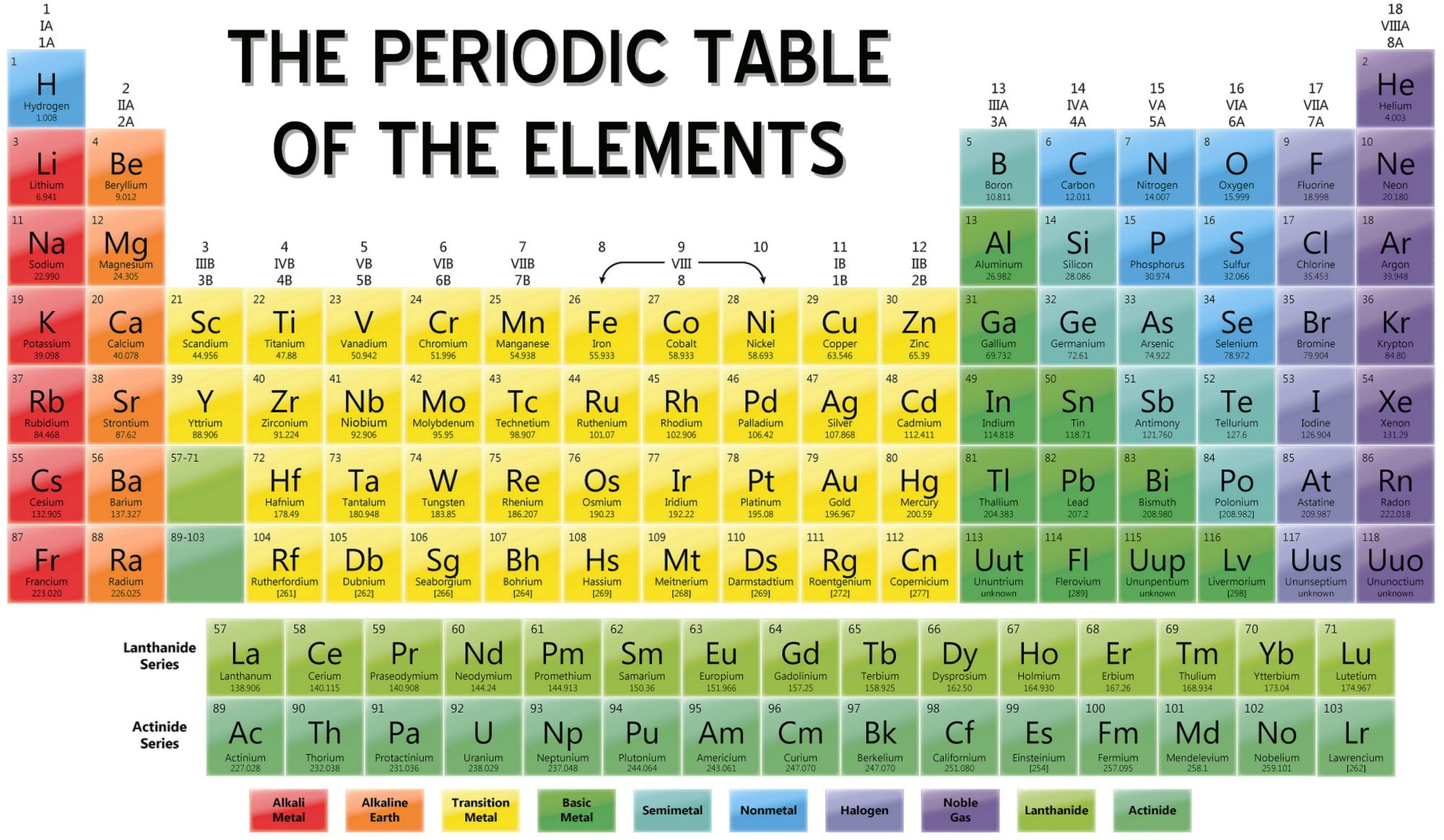
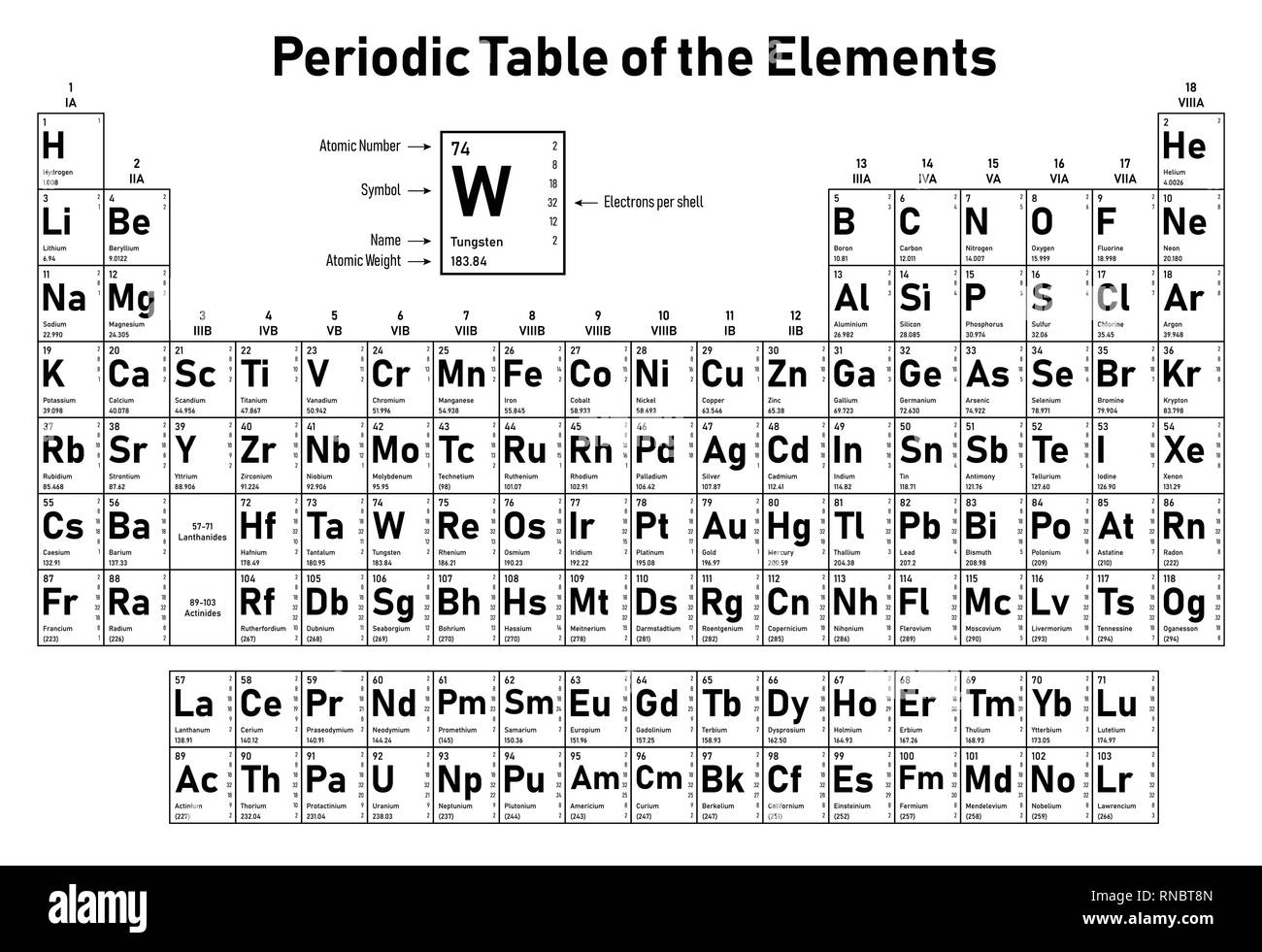
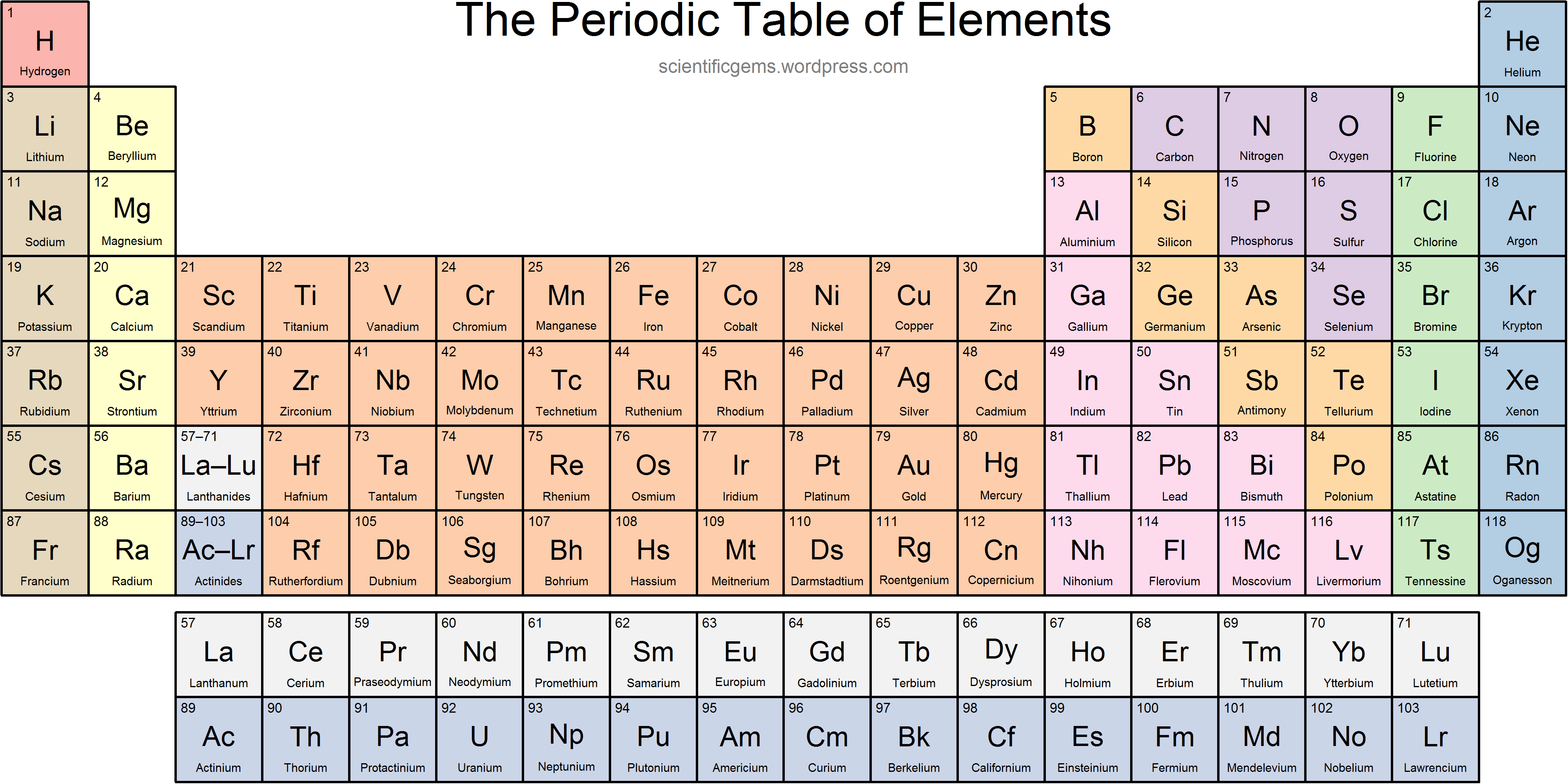
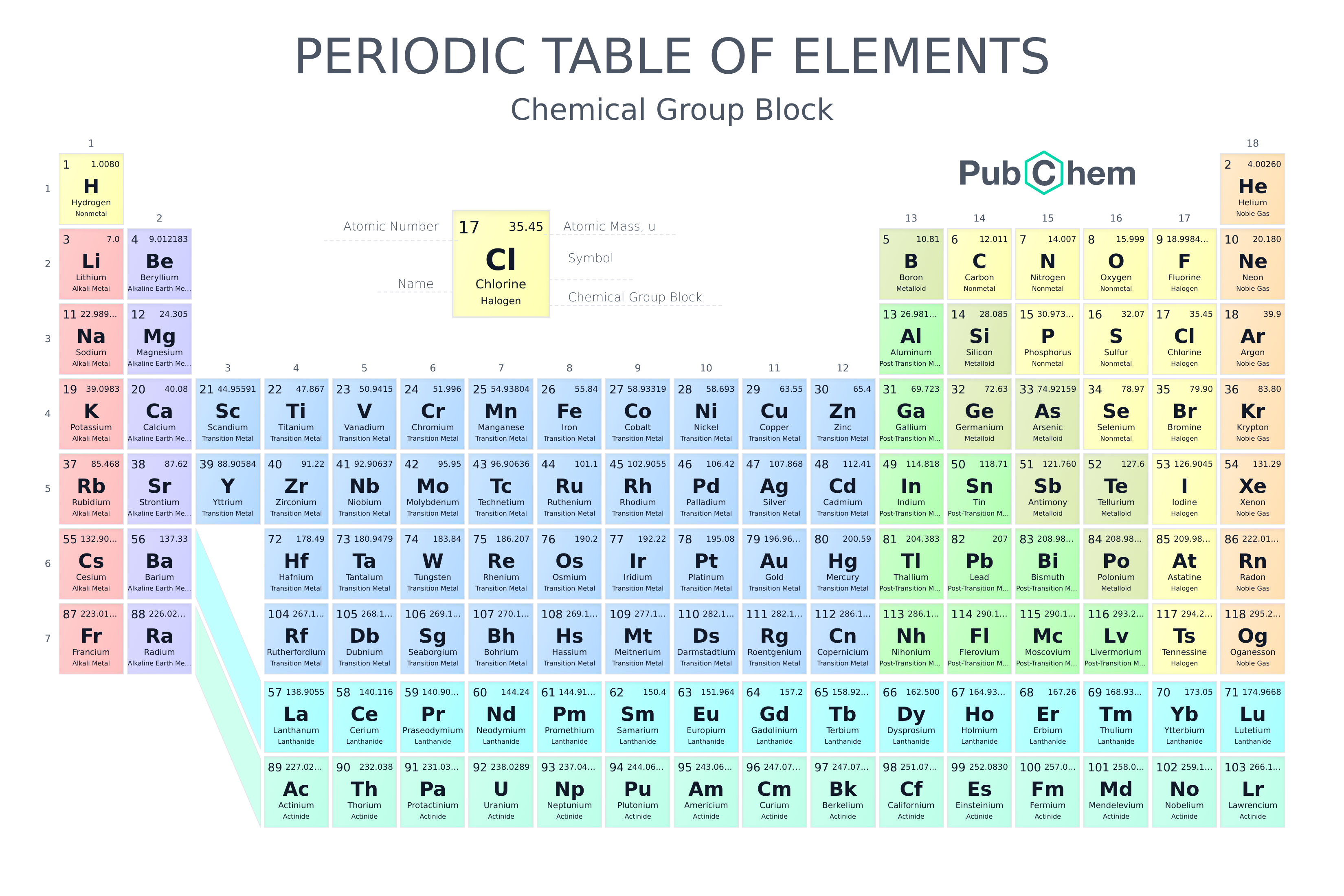
Alright, let's play a little game. Think back to your high school chemistry class. Remember that big, colorful chart hanging on the wall? The Periodic Table. You'd proudly identify Hydrogen as H, Oxygen as O, and maybe even show off by pointing to Gold as Au. Good times, right? But then, perhaps your eyes wandered to a particularly unassuming letter: W. Just W. No fancy lowercase letter trailing it, just a single, bold W. And if you're anything like me, you probably thought, "Wait, what element on earth starts with a W?"
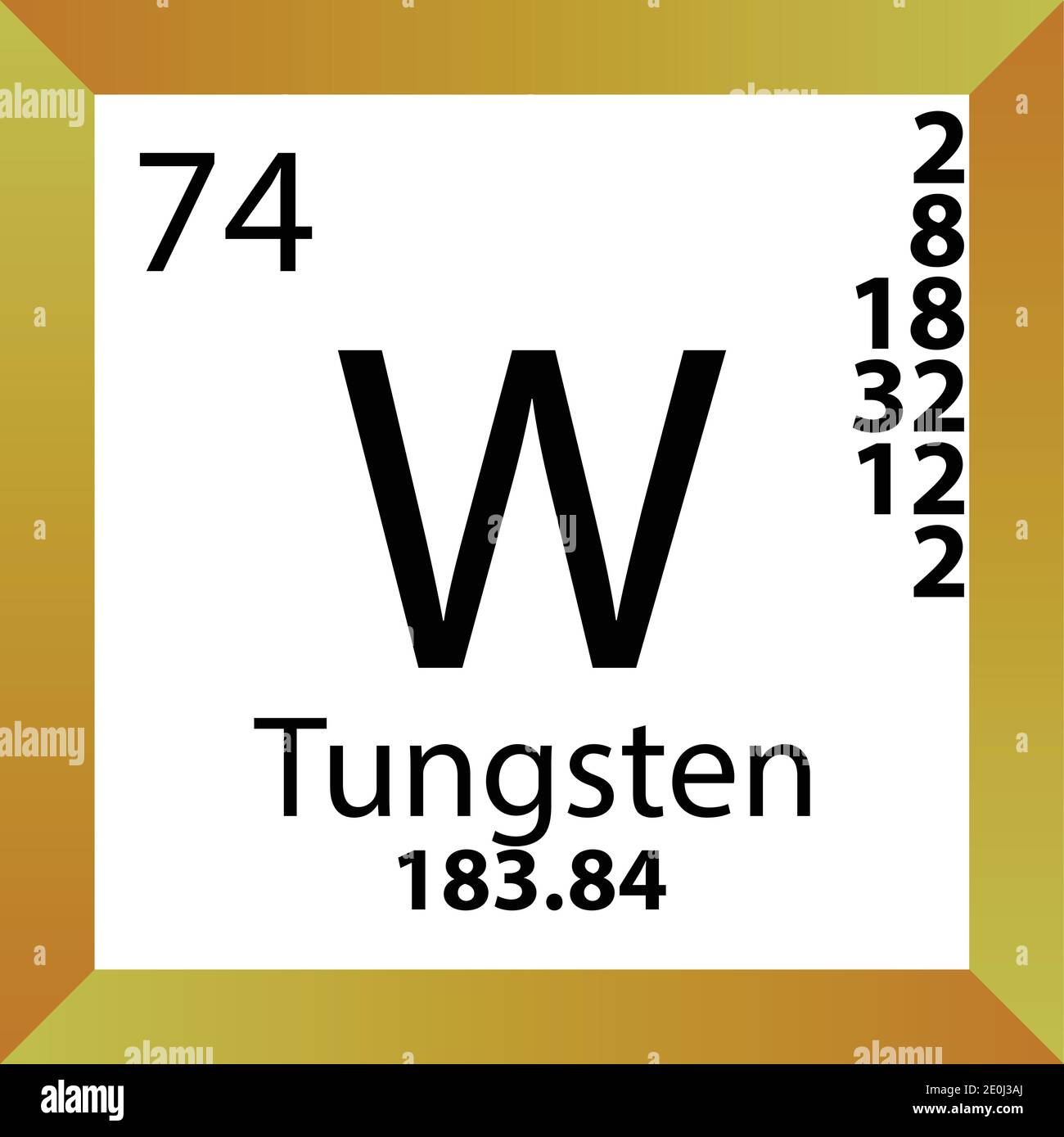
Get ready for what I humbly submit is one of the greatest, albeit minor, injustices of the scientific world. Because W, my friends, stands for... Tungsten.
It's ... Tungsten?
Yes, you read that right. Tungsten. Let that word roll around in your mind for a moment. Tungsten. Now, where, pray tell, is the letter 'W' in Tungsten? It's simply not there. Not even a little bit! It's like finding out the symbol for "Apple" is actually "Z." It just doesn't compute with our modern sensibilities. We live in an era of straightforward naming! We expect Carbon to be C, Neon to be Ne, and so on. But W for Tungsten? It feels like a trick, a playful defiance from the scientists of yesteryear.
Must Read
I mean, we have Iron as Fe because of its old Latin name, Ferrum. We've got Silver as Ag from Argentum. These have a historical charm. But W for Tungsten? It's just a rogue letter doing its own thing, and honestly, I find it a little cheeky.
Now, before all the brilliant chemists out there start sending me angry emails, I do know the reason. And it's actually quite interesting, if still a little stubborn in my humble opinion. The symbol W comes from Tungsten's old German name: Wolfram. That's right, Wolfram. The name Wolfram has a cool history, dating back centuries. It's believed to come from "wolf rahm," which translates to "wolf cream" or "wolf foam," describing how the mineral would "eat" tin ore during smelting, much like a wolf devouring its prey. Pretty metal, right? But still, most of the English-speaking world calls it Tungsten now. So why cling to the ghost of Wolfram in our periodic table?
It's like having a friend named Bill, but everyone insists on calling him "Williamson" because that's what his great-great-grandparents called him. It's endearing, sure, but also a tiny bit confusing at parties. And the Periodic Table is essentially the biggest element party there is!
So, What's So Special About This Wolfram-Formerly-Known-As-Tungsten?
Despite its confusing nomenclature, the element itself is truly spectacular. Tungsten is an absolute superstar in the world of materials. It boasts the highest melting point of all metals. Seriously. You need a scorching 6,192 degrees Fahrenheit (3,422 degrees Celsius) to get this stuff to melt. Try doing that with your average kitchen torch! This incredible resistance to heat makes it indispensable for many high-temperature applications.
- Remember those old-fashioned incandescent light bulbs? The ones with the tiny, glowing coil inside? That glowing filament was almost always made of Tungsten. Its ability to withstand intense heat and glow brightly without melting made it perfect for creating light.
- Tungsten is also incredibly dense. We're talking heavier than lead! This density, combined with its hardness, makes it invaluable for applications where strength and mass are critical.
- Think about things that need to cut or drill through really tough materials. Industrial drills, high-speed cutting tools, even armor-piercing ammunition often feature Tungsten or its alloys (like tungsten carbide) because of their extreme hardness and wear resistance. It can stand up to a beating like no other!
- And here's a fun one: if you're into modern jewelry, you might even have some Tungsten on your finger! Tungsten carbide rings have become popular because they are famously scratch-resistant. You could probably try to scratch a diamond with one (though I wouldn't recommend it to your jeweler), that's how incredibly tough they are.
- Ever played darts? Many professional-grade darts have barrels made from Tungsten. Its high density allows the dart to be heavier in a smaller volume, leading to thinner, more aerodynamic darts that can be thrown with greater precision. So, that bullseye might owe a little something to Wolfram!
The Great W Mystery, Solved (Sort Of)
So, there you have it. The mysterious W on the Periodic Table stands for Tungsten, a truly remarkable element with a rather stubborn historical naming convention from its German cousin, Wolfram. It might be confusing, and yes, I still maintain it's a bit of an elemental misnomer. But at least now you know the powerful secret behind that solitary 'W'.
Next time you glance at the periodic table, give W a knowing nod, or perhaps a mischievous wink. You'll be in on the secret, aware of its incredible properties, and perhaps, just perhaps, you'll agree with my slightly rebellious opinion: W for Tungsten is just plain weird. But fascinatingly so!