Get ready for a super-charged journey into the heart of electricity! We're about to tackle one of those mysterious-sounding terms that makes engineers nod knowingly but leaves the rest of us scratching our heads: VA. Don't worry, we're going to make it as clear as a sunny day, with zero brain-fuzz. Think of it as peeling back the curtain on a secret, but totally fun, electrical superhero!
What in the World is VA?
So, what in the hocus pocus is VA? It simply stands for Volt-Ampere. Sounds simple, right? But here's where the plot thickens ever so slightly. Most of us are pretty chummy with Watts. You know Watts – they tell you how bright your lightbulb is, or how much oomph your blender has. If Watts are the superstar rock band getting all the applause, then VA is like the entire concert production – the stage, the lights, the sound system, even the roadies! It’s the total electrical effort being put out.
Let's Pour Some Knowledge: The Legendary Beer Mug!
Okay, forget circuits for a second. Imagine you're at your favorite hangout, and you order a glorious, frosty mug of beer.
That entire mug, filled to the brim, with both the golden liquid and the frothy head? That's your VA – your Apparent Power. It’s the total volume your glass can hold, the total amount you ordered from the bartender.
Now, the delicious, bubbly liquid you actually drink? The stuff that makes you say "ahhh"? That's your Watts – your Real Power. This is the useful energy, the electricity that's actually doing work, like making your toaster toast or your phone charge.
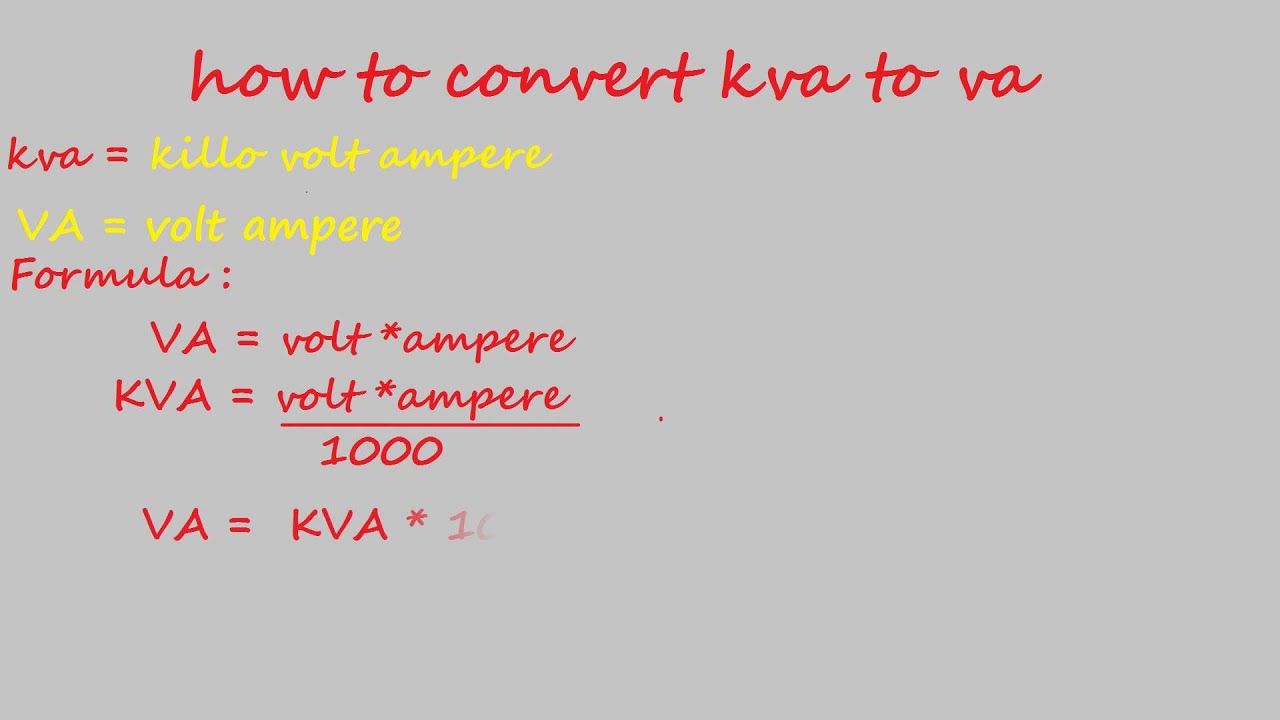
how to convert kva to va - electrical calculation - YouTube
And what about that glorious, but ultimately undrinkable, foam on top? The part that takes up space but doesn't quench your thirst? That, my friends, is Reactive Power, measured in something called VARs (Volts-Amperes Reactive). It's essential for certain types of electrical equipment to function, but it doesn't directly perform useful work in the same way Watts do.
So, you can see, VA (the whole mug) is always going to be equal to or greater than Watts (just the beer). It accounts for both the useful work and that necessary "foam" that comes along for the ride. Pretty neat, huh?
What Is VA In UPS? - TYCORUN Energy
Why Does This Foam (VARs) Exist and Why Do We Care?
You might wonder, "Why can't all electricity just be useful Watts? Why do we have this 'foam'?" Great question! Some electrical devices, especially those with motors or coils (think refrigerators, air conditioners, washing machines, even your microwave!), need to create magnetic fields to do their job. This process requires that reactive power, those VARs. It's like the initial push a car needs to get moving before it settles into a steady speed. The utility still has to generate and deliver that "push" even if it doesn't translate directly into usable power for you at that exact moment. It’s a crucial part of the electrical tango!
The Electrical Goldilocks: Finding the Right Fit
This difference between VA and Watts becomes super important when you're dealing with bigger electrical decisions:
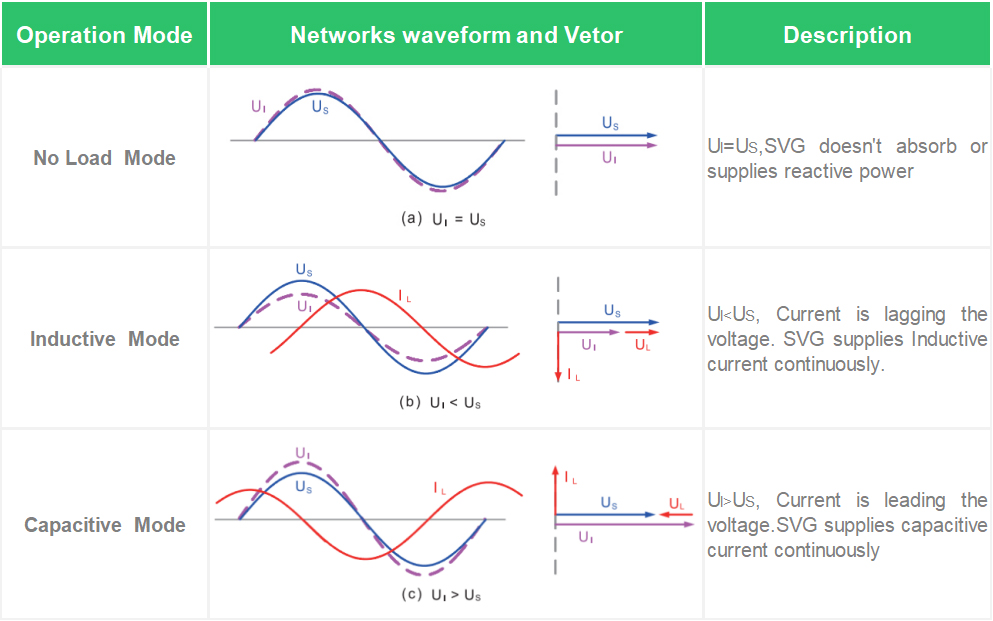
Electricity,Current,Voltage,Power,Static Var Generator
Generators and UPSs (Uninterruptible Power Supplies): Ever wondered why your home generator or UPS has a VA rating and a Watt rating? It's because you need to match its total capacity (the entire beer mug it can deliver, the VA) to all the devices you're plugging in. If your fridge and washing machine (which love their VARs) gobble up a lot of reactive power, you need a generator big enough to handle their demands for both useful Wattsand those crucial VARs. You can't just look at the Watts alone, or you might end up with a generator that's too small for the total electrical party. It’d be like having a tiny cup for a huge thirst!
Power Factor: This is a fancy term that simply describes how much of your total VA (the whole mug) is actually useful Watts (the beer). A "good" power factor means more beer, less foam! Industries often get charged extra by utility companies if their power factor is too low (too much foam!), because the utility has to deliver that whole big mug for less actual useful output. Nobody wants to pay for just foam!
So, What's the Takeaway?
Don't let VA scare you! It's just a way of looking at the entire picture of electrical power. Remember our beer mug:
VA = The whole glorious mug, liquid + foam.
Watts = The delicious beer you actually consume.
VARs = The necessary, but undrinkable, foam.
It's all about making sure you have enough total capacity for your electrical needs, whether it's powering your gaming rig or keeping your fridge humming. So next time you see VA, give it a knowing wink. You're now in the electrical know, a true voltage vanguard, and that, my friend, is something to feel good about! Go forth and shine, electrically savvy superstar!