What Is Used To Measure Force
Alright, let's talk about force. Not the kind from a galaxy far, far away, but the nitty-gritty, everyday kind that makes your life… well, move. Or sometimes, stubbornly refuse to move. Ever tried to push a shopping cart that feels like it's filled with lead bricks and held back by an invisible anchor? Or maybe you’ve had that moment of sheer triumph when you finally, finally twist open a pickle jar that clearly spent a year in a bicep-building boot camp? Yep, that’s force at play.
We all instinctively “get” force. You know when you’re putting a lot of effort into something – that grunt, that straining muscle, that little bead of sweat forming on your brow. That’s your body giving you an internal, highly personalized force reading. But while your grunts are charming, scientists, engineers, and even your local gym instructor need something a bit more… quantifiable. Something they can write down and compare without asking, "Was that a 'medium grunt' or a 'full-on Hulk roar'?"
The Star of the Show: The Newton
So, what do we actually use to measure this invisible push or pull? First, let's meet the main unit: the Newton. Yes, named after that famous apple guy, Sir Isaac Newton. You know, the one who apparently had a gravity-infused snack time. A Newton is actually not as massive as it sounds. Imagine holding a small apple – that's roughly the force of one Newton pulling it towards the Earth. Or, to put it another way, if you gently push a lightweight shopping cart, you're probably exerting a few Newtons. Try pushing that lead-brick cart? You're definitely in the double, maybe triple, digit Newtons territory, my friend.
Must Read
Think of it like this: if you're trying to move a sofa, your "how many grunts does this take?" scale is about as scientific as guessing the weather by how your knee aches. But using Newtons? That's like getting a precise barometer reading. It tells you exactly how much oomph you're applying. No more guessing if your "heroic effort" was actually just a "mild nudge."
The Gadgets: Spring Scales and Dynamometers
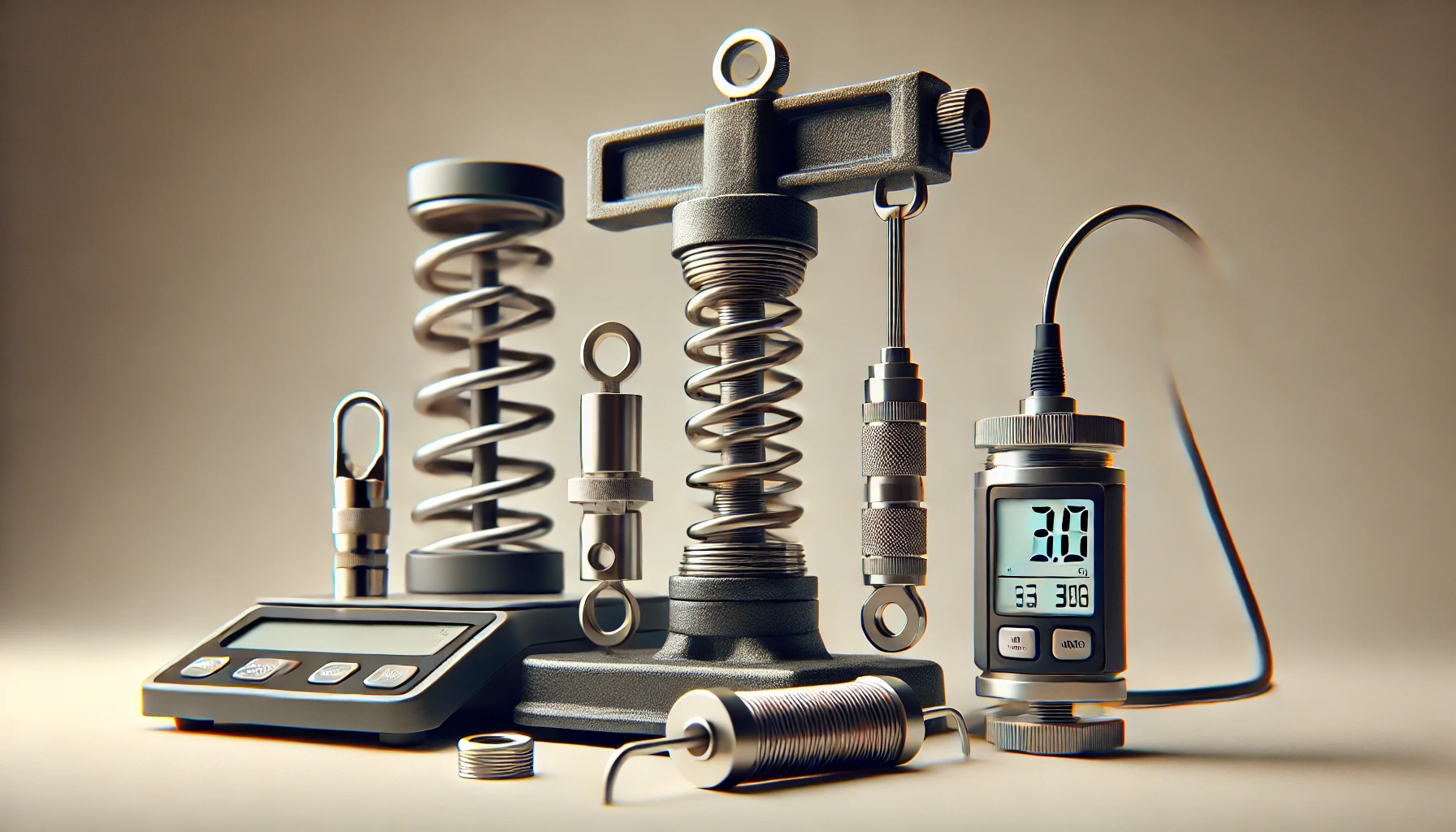
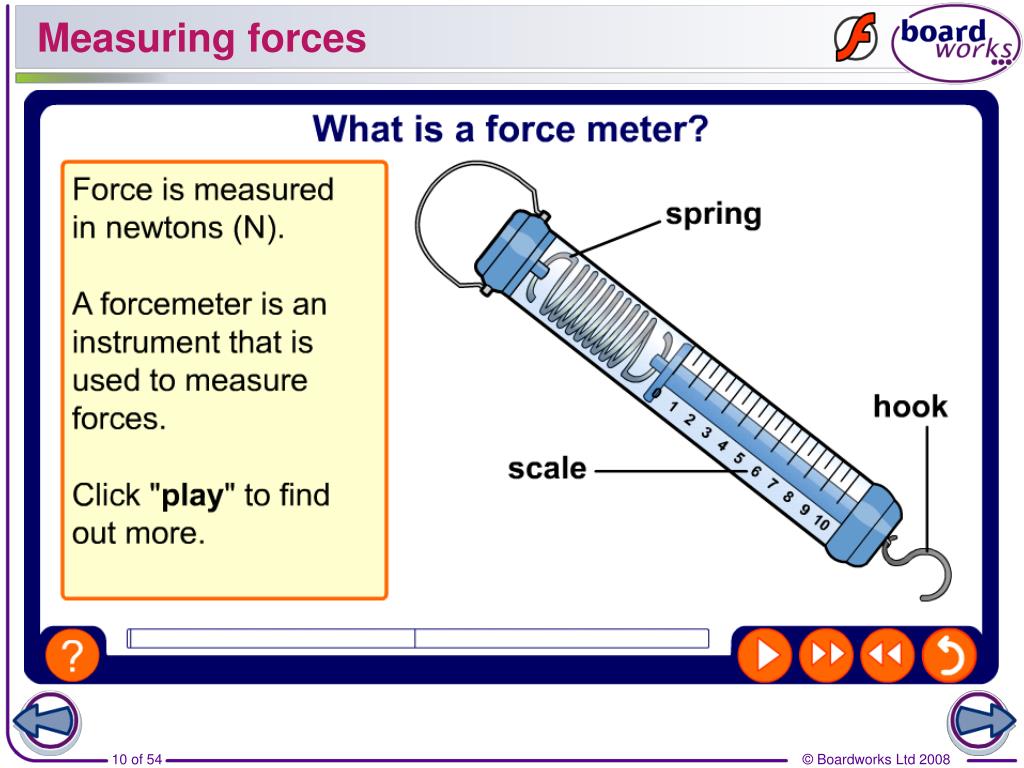
Now, how do we actually measure these Newtons in the wild? The most common tool you'll encounter is a spring scale, sometimes called a dynamometer (which sounds way cooler, like something out of a superhero lab, doesn't it?).
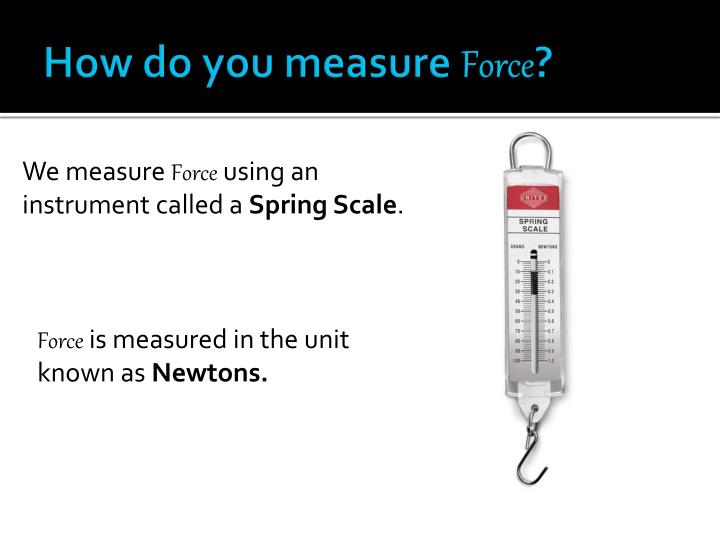
Remember those old-school scales at the grocery store where you’d weigh your Granny Smith apples? They often work on this principle. You hang something on a hook, and a spring inside stretches. The more force (or weight, which is a type of force) pulling down, the more the spring stretches, and a pointer moves along a scale. Simple, elegant, and surprisingly accurate! It's like the spring is having a little stretch, and the scale is just reporting how much effort it’s putting in.
Ever been to a gym where they test your grip strength? You squeeze a device, and it gives you a number. Yep, that's often a type of dynamometer. It's measuring the force your hand can generate. So, next time you're crushing a soda can with one hand (don't try this at home, kids, unless you're aiming for a recycling victory!), you're essentially performing a mini-dynamometer test with your own raw power. You’re effectively a human force meter!
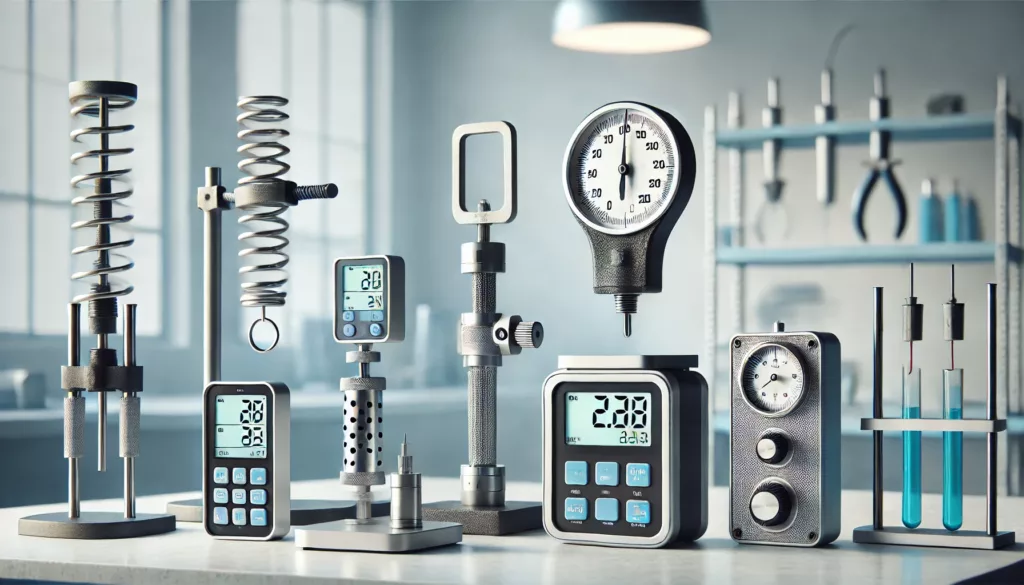
These scales aren't just for apples or bragging rights at the gym. Engineers use them to test how much force it takes to snap a material, how much pressure a bridge can withstand, or even the thrust of a rocket engine (though those are slightly more industrial-sized dynamometers, I promise, they're not just scaled-up apple scales!). Think about car crash tests – they're measuring massive forces at play to make our vehicles safer, so when that airbag deploys, it's doing so with precisely measured force, not just a random puff.
Why Bother?
So, why do we need to know all this stuff beyond just grunting about pickle jars? Well, because understanding and measuring force is absolutely crucial for almost everything we build, design, and interact with daily. Think about it: from designing a robust chair that won't unexpectedly collapse under your enthusiastic weight (we've all had that close call!) to making sure a roller coaster doesn't send you flying into the stratosphere (thankfully, most of us haven't experienced that!), precisely measuring force is key. It ensures safety, efficiency, and things generally working the way they're supposed to.

It’s the difference between guessing how much glue to use and knowing. Between a door that opens with a satisfying smoothness and one that requires a full-body tackle and maybe a frustrated sigh. It’s the peace of mind knowing that the bridge you’re driving over can handle the immense forces of traffic, or that your phone case can withstand that inevitable drop from waist height (a moment of silence for all the phones that couldn’t). In essence, it's the difference between a satisfying "click" and a frustrating, expensive "snap!"
So, the next time you feel a mighty push or pull – whether it's opening a stuck window or just trying to get the last bit of ketchup out of the bottle – give a little nod to the Newton and its trusty spring scale sidekick. They're quietly working behind the scenes, making the world a more predictable, safer, and thankfully, a lot less spontaneously collapsing, place.