What Is True About Mitochondrial Dna
Have you ever wondered where you truly come from, further back than your grandparents and great-grandparents? For many, the journey of discovering their ancestry is a fascinating puzzle, a compelling quest to understand their roots. It’s not just about names and dates; it’s about uncovering stories, connecting with distant relatives, and understanding the paths that led you to where you are today. And a key piece of that puzzle? Mitochondrial DNA, or mtDNA for short.
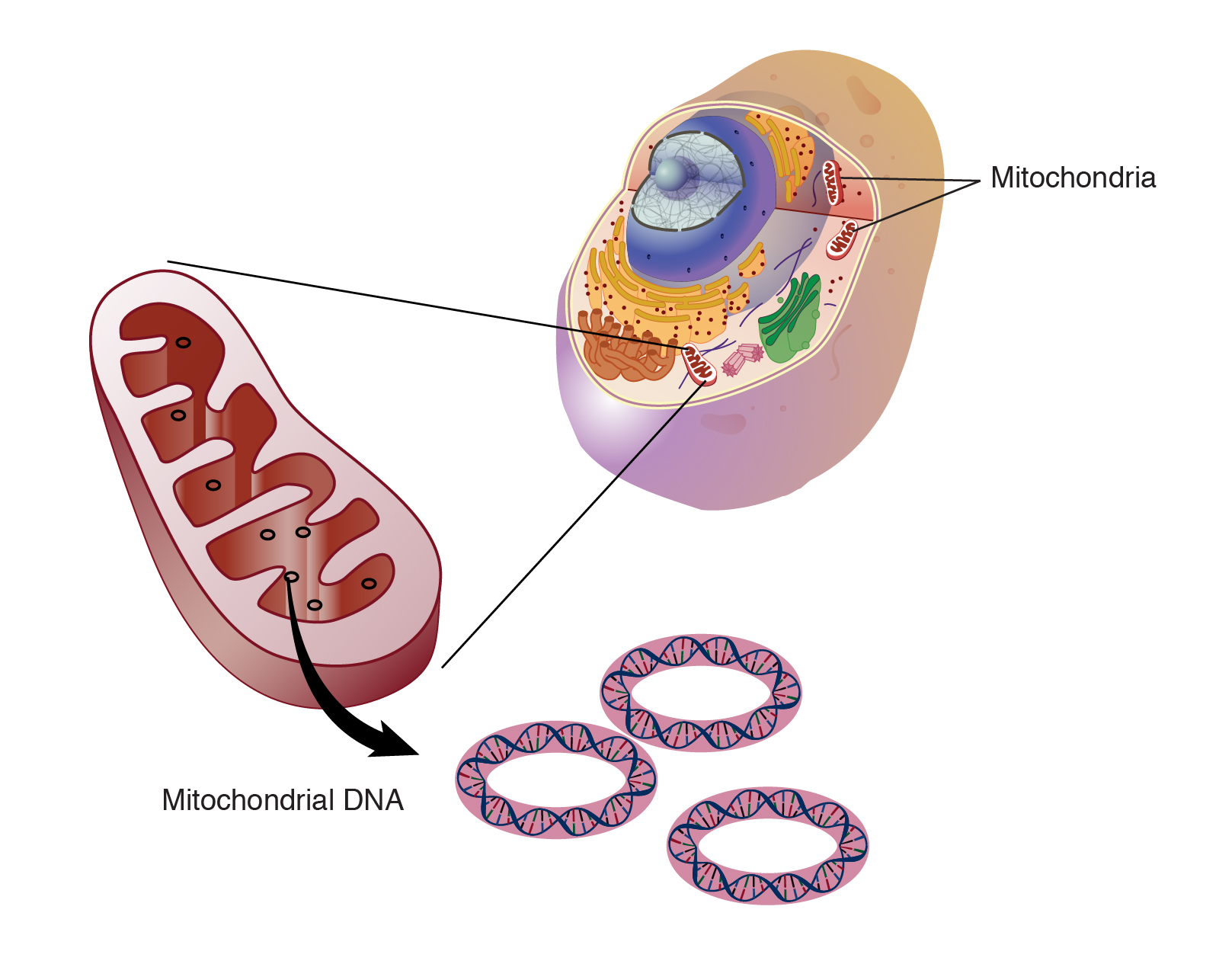
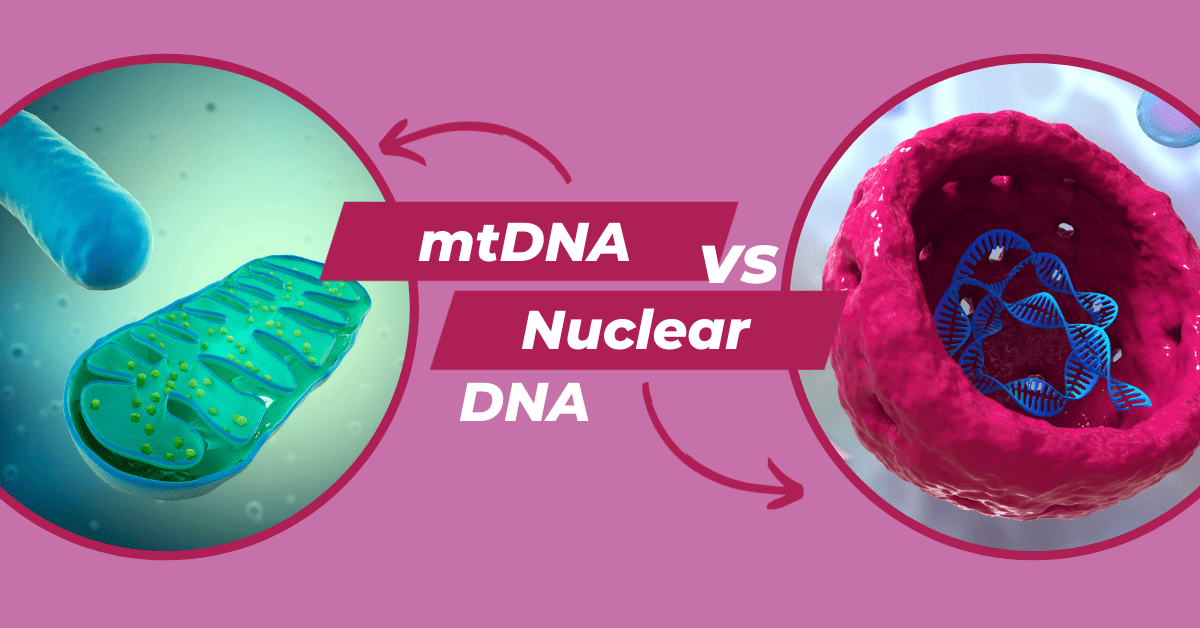
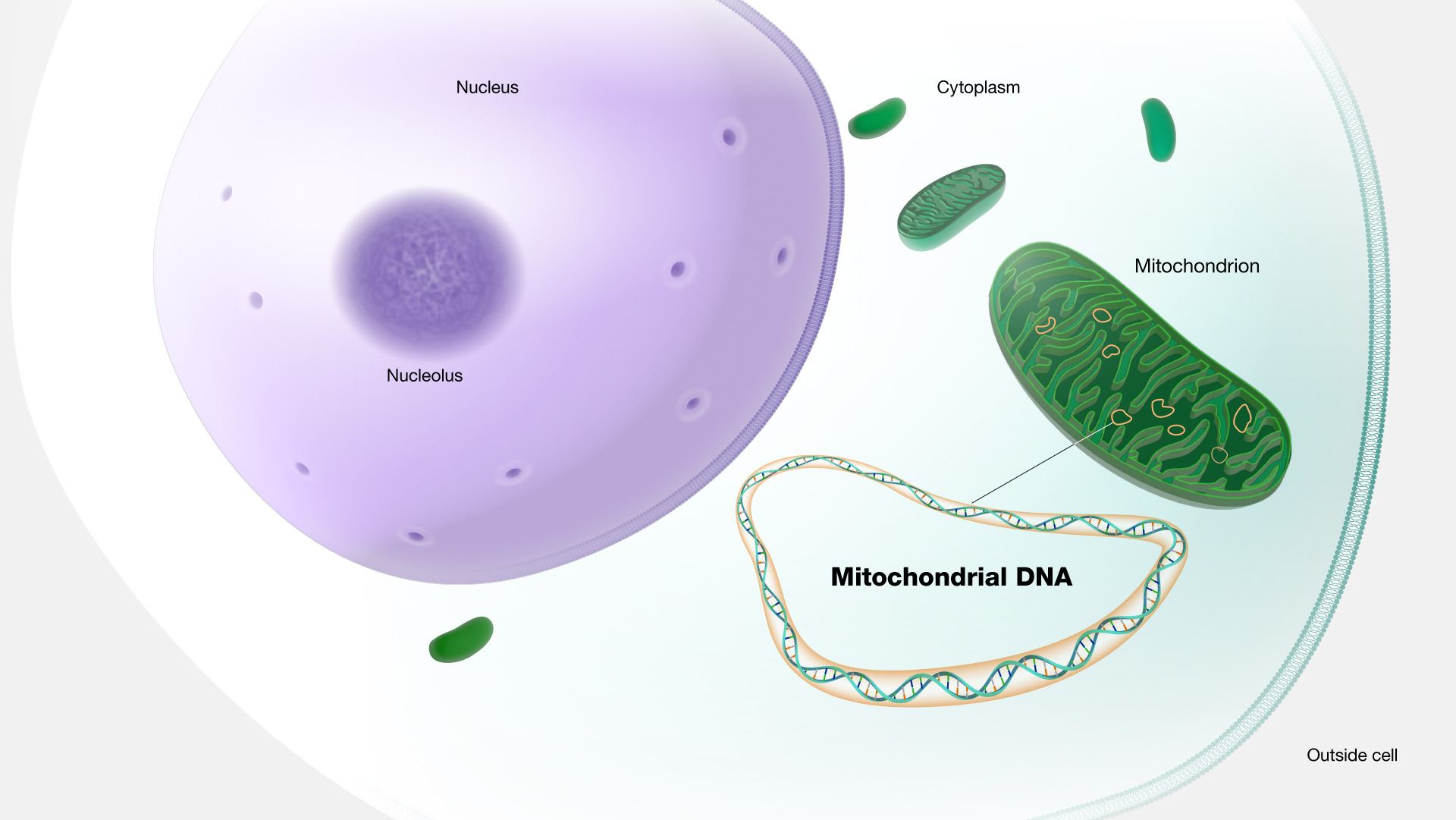
So, what's so special about this particular type of DNA? Unlike the DNA found in the nucleus of your cells, which you inherit from both your mother and father, mtDNA is passed down exclusively from your mother. Think of it as a direct line, a single unbroken thread stretching back through generations of women. This unique inheritance pattern makes mtDNA an incredibly powerful tool for tracing your maternal lineage. It's like following a single, well-worn path back to your earliest female ancestors.
But how does this benefit everyday life? While you won't suddenly gain superpowers or unlock hidden talents, understanding your mtDNA can be incredibly rewarding. For one, it can provide a deeper understanding of your ethnic origins. DNA testing companies use mtDNA analysis to connect you with others who share your maternal lineage, potentially revealing connections to specific regions or groups of people. This can be particularly helpful if you have gaps in your family history or are looking to break through brick walls in your genealogical research. Beyond personal curiosity, mtDNA analysis plays a crucial role in forensic science, helping to identify remains and solve crimes when nuclear DNA is degraded or unavailable.
Must Read
Common examples of mtDNA usage include: ancestry DNA tests offered by companies like 23andMe and AncestryDNA; genealogical research projects aiming to reconstruct family trees; and investigations into historical mysteries, such as determining the identity of royalty from ancient remains. Think of the discovery of King Richard III's remains – mtDNA analysis played a vital role in confirming his identity by comparing it to the mtDNA of known maternal relatives.
Want to get more out of exploring your mtDNA (or the possibility of exploring it)? Here are some practical tips:
- Choose a reputable testing company: Not all DNA tests are created equal. Research different companies, read reviews, and understand what type of information they provide about mtDNA.
- Combine mtDNA results with other genealogical research: mtDNA provides only one piece of the puzzle. Supplement it with traditional records like birth certificates, census data, and family stories to get a more complete picture.
- Be patient and persistent: Genealogical research can be time-consuming, and results may not always be immediate. Don't get discouraged if you don't find what you're looking for right away. Keep digging!
- Engage with online communities: Connect with other people who share your mtDNA haplogroup (a grouping of individuals with similar mtDNA). You might find distant relatives or uncover new information about your maternal lineage.
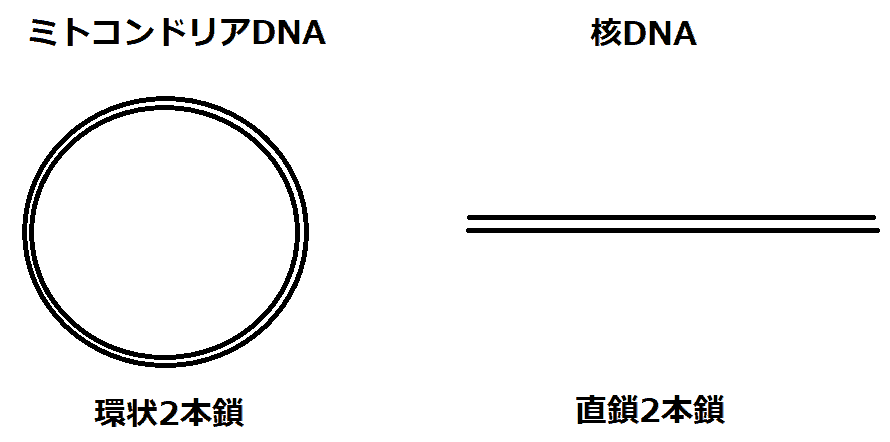
- Remember that mtDNA tells only one part of the story: While fascinating, it doesn't represent your entire ancestry. Explore your autosomal DNA (the DNA you inherit from both parents) for a more comprehensive view of your heritage.
Delving into your mtDNA is like embarking on a thrilling adventure through time. It's a chance to connect with your maternal ancestors, unlock hidden stories, and gain a deeper understanding of who you are and where you came from. So, why not give it a try? You might be surprised at what you discover!