What Is The Wind Speed Of A Category 4 Hurricane

Ever wondered just how powerful a hurricane can get? We often hear about hurricanes on the news, especially during hurricane season, and the categories they're assigned. But what do those categories really mean? Getting a handle on the scale, especially when it comes to something as potentially destructive as a category 4 hurricane, can be both fascinating and genuinely useful for understanding the forces of nature around us.
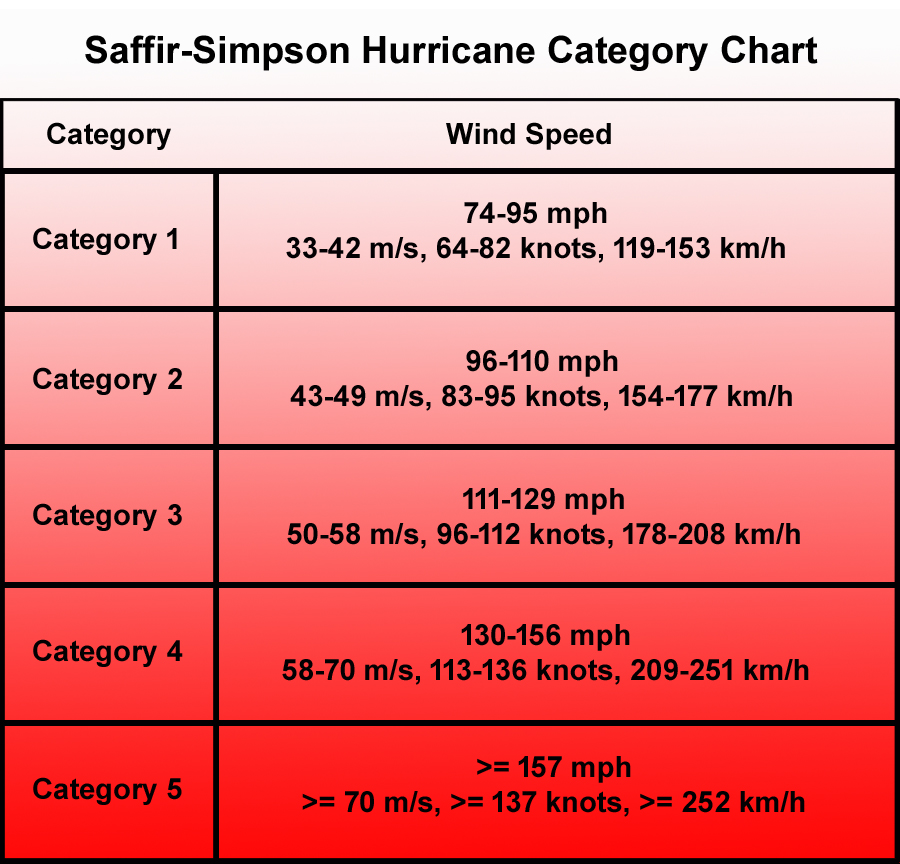
The Saffir-Simpson Hurricane Wind Scale categorizes hurricanes based solely on their maximum sustained winds. This scale is used to estimate potential property damage. For beginners, understanding this scale offers a crucial first step in comprehending the potential impact of these storms. Families, especially those living in coastal areas, can benefit from knowing how to interpret a hurricane's category to make informed decisions about evacuation or preparation. Even hobbyists, like amateur meteorologists or weather enthusiasts, can appreciate a deeper understanding of the physics and dynamics behind these powerful storms.
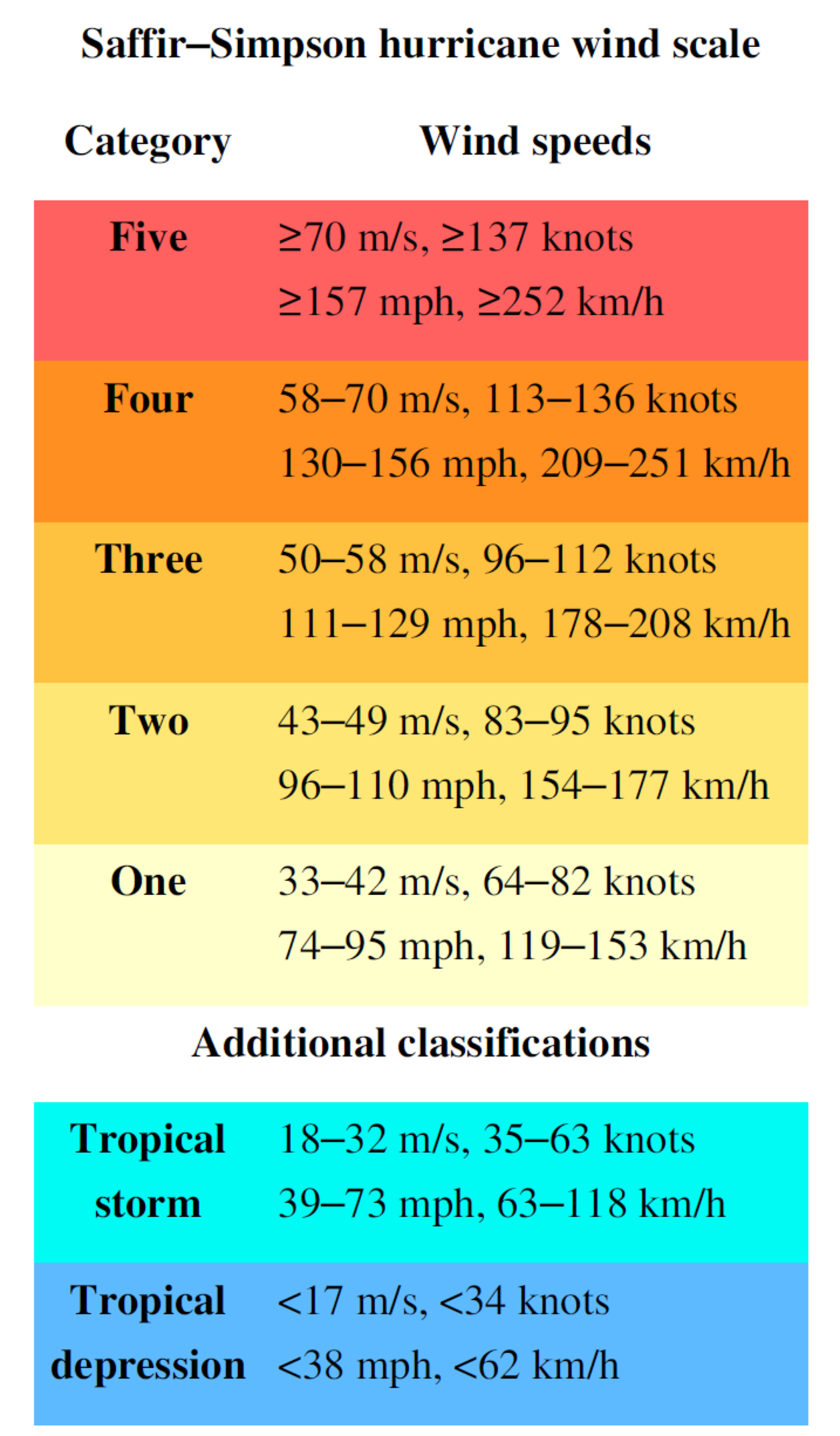
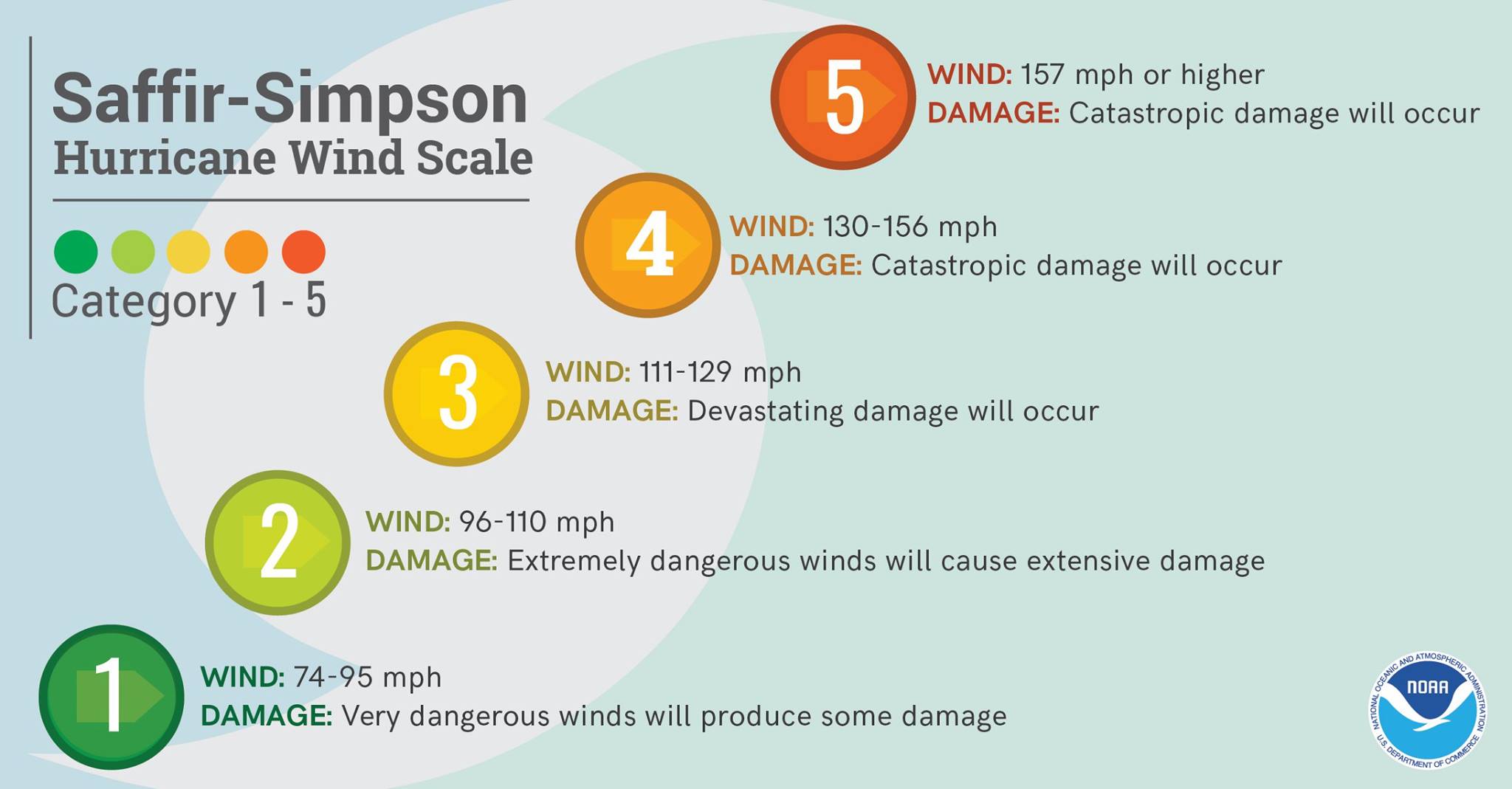
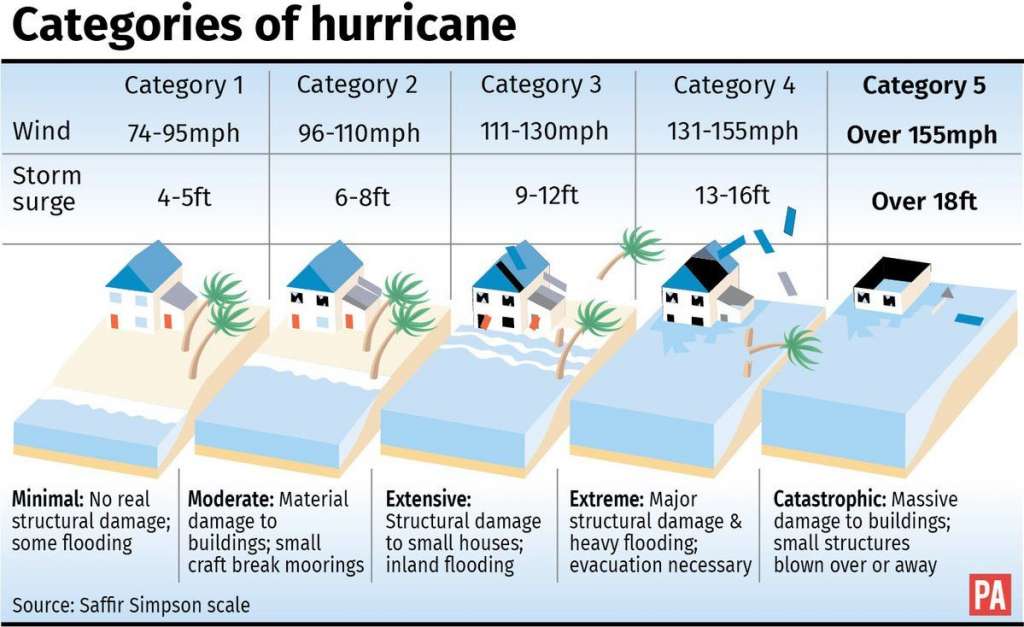
So, what wind speeds define a category 4 hurricane? A category 4 hurricane boasts sustained winds ranging from 130-156 mph (209-251 km/h). Sustained winds are defined as the average wind speed over a one-minute period. At this intensity, a hurricane is considered a major hurricane, capable of causing catastrophic damage. To put it in perspective, those winds are stronger than many tornadoes!
Must Read
What does "catastrophic damage" actually look like? Think along the lines of severe damage to well-built framed homes, with roofs and walls collapsing. Most trees will be snapped or uprooted, and power outages are expected to last for weeks, if not months. Areas could be uninhabitable for extended periods due to the widespread destruction. Coastal areas face severe beach erosion and flooding.
It’s important to note that while wind speed is the primary factor in determining the category, other elements like rainfall and storm surge (the abnormal rise in sea level during a hurricane) also contribute significantly to the overall destruction a hurricane can cause. For example, a category 3 hurricane with a significant storm surge can be just as devastating as, or even more so than, a category 4 hurricane with a weaker storm surge.
Getting started with hurricane awareness is simple. Start by familiarizing yourself with the Saffir-Simpson scale and understanding the different wind speed ranges for each category. Follow reputable weather sources, like the National Hurricane Center, for up-to-date information during hurricane season. And most importantly, if you live in a hurricane-prone area, have a hurricane preparedness plan in place, including an evacuation route and a supply kit.
Understanding the power and potential impact of a category 4 hurricane gives us a greater appreciation for the forces of nature and underscores the importance of preparedness. While hurricanes can be awe-inspiring and even frightening, knowledge and preparation are our greatest tools for staying safe.