What Is The Voltage Of A Fully Charged Car Battery

Let's face it, most of us don't spend our weekends gazing lovingly at our car batteries. But think about this: that little rectangular box is the unsung hero of your daily life! It's the silent partner that lets you blast your favorite tunes on the morning commute, whisk the kids to soccer practice, and even escape for a weekend getaway. Without a healthy battery, your car is just a very expensive paperweight. So, let's dive into the heart of this crucial component and unravel a key piece of its puzzle: voltage.
Understanding the voltage of a fully charged car battery is more than just geeky car trivia. It’s about reliability and peace of mind. A healthy battery ensures your car starts reliably, every time, regardless of the weather. It powers all your electrical systems, from the headlights that keep you safe at night to the air conditioning that keeps you cool on a scorching summer day. Think about the relief of knowing your car will start on a freezing winter morning, or when you’re running late for an important meeting. That confidence stems, in part, from knowing your battery is in good shape.
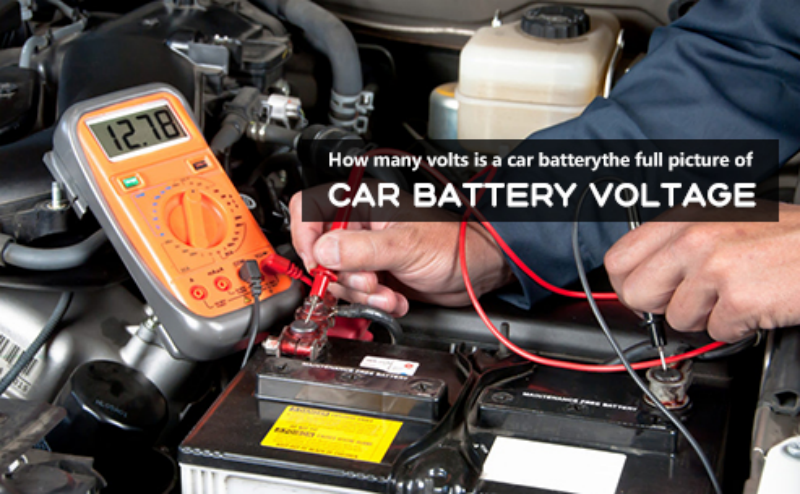
So, what magic number are we talking about? A fully charged car battery should typically read around 12.6 volts or higher. When your car is running, the alternator takes over, and the voltage should be between 13.7 and 14.7 volts. This range ensures the alternator is not only powering the car's electrical systems but also replenishing the battery's charge. You see this in action every time you turn the key and the engine roars to life. Or when you use your car's radio, lights, and other electrical components, all drawing power that ultimately originates from that battery. In everyday life, knowing these voltage ranges can help you diagnose potential problems before they leave you stranded.
Must Read
Now, how can you keep your battery happy and your car running smoothly? Here are a few practical tips:
- Regular Voltage Checks: Invest in a simple multimeter. They're inexpensive and easy to use. Regularly check your battery's voltage, especially before long trips or after periods of inactivity.
- Minimize Short Trips: Short trips don't give your alternator enough time to fully recharge the battery. Try to combine errands or take longer routes occasionally.
- Turn Off Unnecessary Accessories: Before starting your car, turn off headlights, air conditioning, and other accessories to reduce the initial load on the battery.
- Keep Terminals Clean: Corrosion can impede the flow of electricity. Clean the battery terminals regularly with a mixture of baking soda and water.
- Consider a Battery Tender: If you frequently leave your car unused for extended periods, a battery tender can help maintain the optimal charge level. This is especially helpful in colder climates.
Taking care of your car battery doesn't have to be a chore. It's an investment in your vehicle's reliability and your own peace of mind. By understanding the basics of battery voltage and following these simple tips, you can ensure your car is always ready to take you wherever you need to go. So, the next time you hop in your car, take a moment to appreciate the quiet power of that little rectangular box – it's the heart of your mobile world!