
What Is The State Tax For Texas
Ever wondered about the tax situation in the great state of Texas? Well, pull up a chair, partner, because it’s quite the interesting tale. When people talk about taxes, it usually sounds about as exciting as watching paint dry. But in Texas, the conversation about state taxes has a certain flair, a distinct charm that makes it, dare we say, a little bit special and even... entertaining!
The biggest, boldest, and most talked-about feature of the Texas tax landscape is this: there is no state income tax. Yes, you read that right! For many folks, this is like hitting a mini-jackpot every single payday. While the federal government still takes its share, your paycheck in Texas isn't reduced by an additional state income tax. It's a huge selling point, a shining star in the Lone Star State's crown, and a constant topic of conversation among newcomers and long-time residents alike.
This absence of a state income tax isn't just a quirky fact; it’s a fundamental part of the Texas economic identity. It shapes how people live, how businesses operate, and how the state government funds everything from roads to schools. Think about it: that money that might normally go to a state income tax stays right there in your pocket. It’s a pretty powerful incentive, isn’t it?
Must Read
Of course, the state still needs to pay for things. So, if there’s no state income tax, how does Texas keep the lights on and the tumbleweeds rolling (metaphorically speaking)? This is where the other stars of the show come in: the sales tax and the property tax. These are the workhorses of the Texas revenue system, and they certainly pull their weight.
The Mighty Sales Tax
First up, let’s chat about the sales tax. This one is pretty straightforward and easy to understand. Almost every time you buy something – from a new pair of boots to a giant soda – you’ll pay a sales tax. The state portion is 6.25%, and then local governments (cities, counties, transit authorities) can add up to another 2%. So, in many places, you’re looking at an 8.25% sales tax on most purchases. It's everywhere, on almost everything, and it’s a constant reminder of how Texas funds its operations.
The beauty of the sales tax, from a state perspective, is that it’s applied widely. Tourists contribute to it when they visit, and everyone pitches in with every transaction. However, there's a big, friendly exception: most unprepared food items, like groceries you buy to cook at home, are generally exempt from sales tax. So, your weekly grocery run won't hit you with an extra charge, which is a nice little bonus!
Property Tax Powerhouse
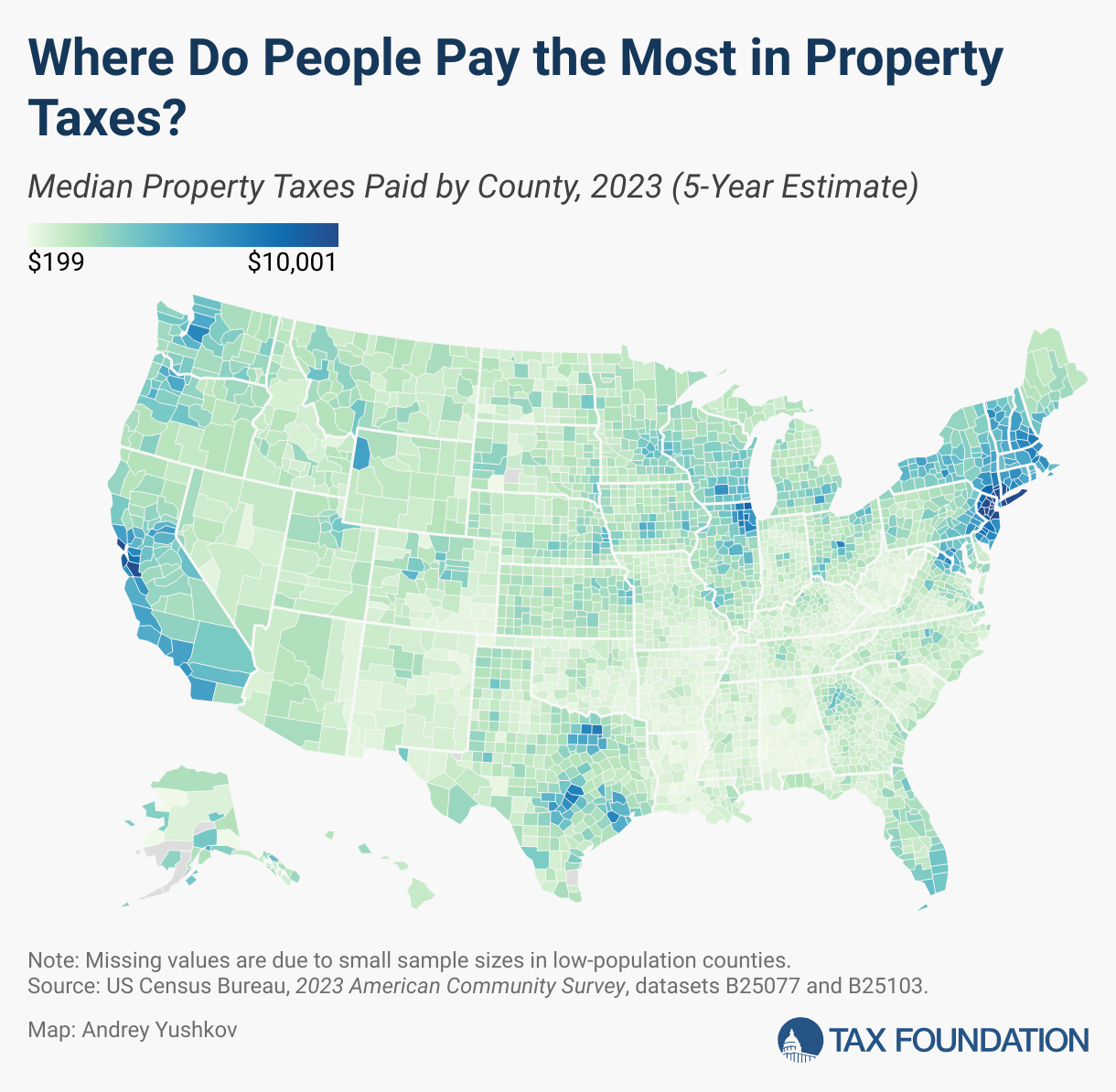
Now, let's talk about the big kahuna: property taxes. These are the main way local services get funded in Texas. We’re talking about schools, fire departments, police, parks, and city infrastructure. If you own a home or land in Texas, you'll pay property taxes, and they can be quite significant. Unlike the sales tax, which is pretty much the same everywhere, property tax rates can vary wildly depending on where you live.
"In Texas, your property tax rate is a bit like a local fingerprint; it's unique to your specific area and helps shape the community around you."
Why are they often higher in Texas compared to some other states? Well, without a state income tax to lean on, local governments rely heavily on property taxes. This means that strong schools, beautiful parks, and well-maintained roads in a community are often a direct result of the property taxes collected there. It’s a direct link between what you pay and the services you receive right in your neighborhood.

This system makes Texans very aware of local government spending and decisions. Debates about property valuations and tax rates are common and often quite passionate, as they directly impact homeowners' wallets. It certainly keeps things interesting and makes local politics a lively affair!
Other Contributors to the Texas Treasury
Beyond sales and property taxes, there are a few other players. There’s a state motor fuels tax, which you pay when you fill up your gas tank. Businesses also contribute through a "franchise tax," though it's not an income tax in the traditional sense, but rather a tax on the privilege of doing business in Texas. These all add to the diverse mix that keeps the state humming along without ever touching your personal income.

The Texas Difference
So, what makes the Texas tax situation so special and even entertaining? It's the unique balance. The allure of no state income tax is powerful and draws people and businesses to the state. In return, Texans contribute through their purchases and, for homeowners, through their property. It’s a distinct approach that fosters a certain type of economic freedom and personal responsibility.
It means that moving to Texas often comes with a different way of thinking about your finances. You might save on income tax, but you’ll certainly be mindful of sales tax on big purchases and the property tax bill if you own a home. It's a conversation starter, a key part of the Texas mystique, and a system that encourages everyone to be engaged with their local community and its services.
So, there you have it – the Texas state tax story. It’s not just a dry topic about numbers; it’s a lively discussion about how a massive state operates, what it values, and how its citizens contribute to its legendary spirit. Curious to see how it works for you? Many people find the unique balance of Texas taxes quite appealing. Perhaps it's something worth checking out yourself!
