
What Is The Role Of Carbon In Climate Change
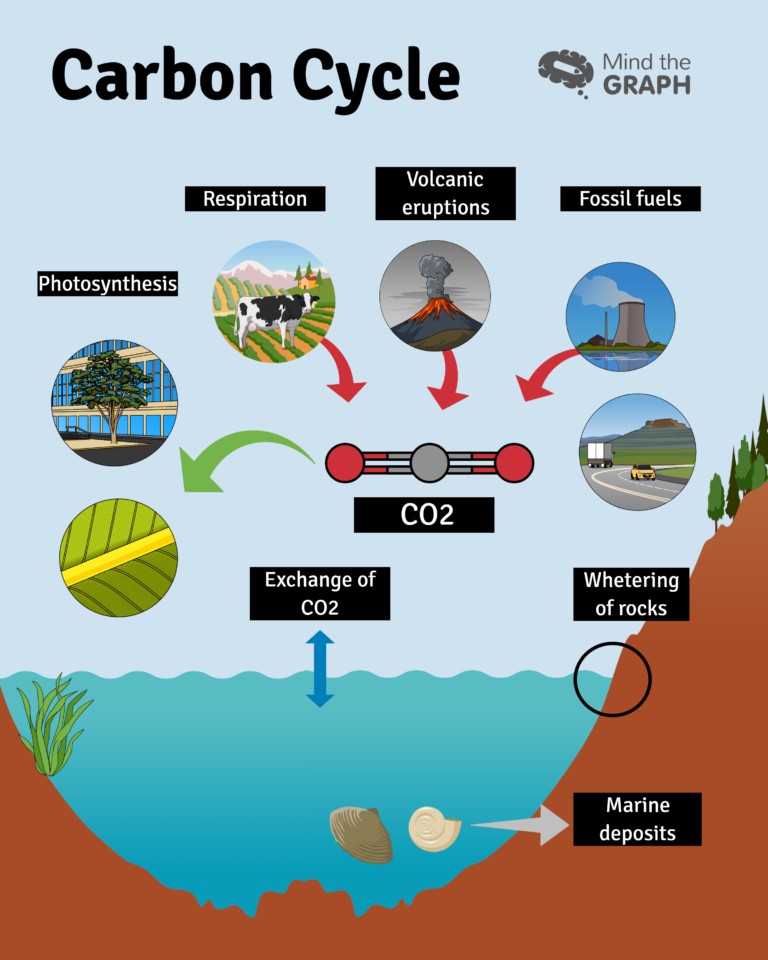
Imagine carbon as that friend who's always invited to the party, but sometimes they bring a bit too much...atmosphere. Specifically, too much atmosphere that traps heat! It’s everywhere, doing important stuff, but also contributing to climate change.
Carbon: The Life of the Party (Almost Literally)
Carbon is the backbone of all life on Earth. From the squishy cells in your brain to the crunchy lettuce in your salad, it’s all built with carbon. It's like the ultimate LEGO brick of the universe!
Think of carbon as a social butterfly. It loves to bond with other elements, forming countless molecules. Water is essential for life, and carbon is essential for water!
Must Read
But Where Does Carbon Come From?
It's in the air we breathe (as carbon dioxide, or CO2). Plants slurp it up during photosynthesis. It's also buried underground in the form of fossil fuels, like coal, oil, and natural gas.
These fossil fuels are basically ancient sunshine, stored by plants millions of years ago. We dig them up and burn them to power our lives, releasing that stored carbon back into the atmosphere. It's like returning a library book way overdue...with interest!
The Greenhouse Effect: Not Always a Bad Guy
The atmosphere is like a big, cozy blanket around Earth, keeping us warm. Some gases, like carbon dioxide (CO2), act like extra thick threads in that blanket, trapping more heat. This is called the greenhouse effect.
Without the greenhouse effect, Earth would be an icy wasteland, uninhabitable for most life as we know it. So, thank you, greenhouse gases, for keeping us from becoming a giant popsicle! But, like that extra-thick blanket on a summer night, too much can be stifling.
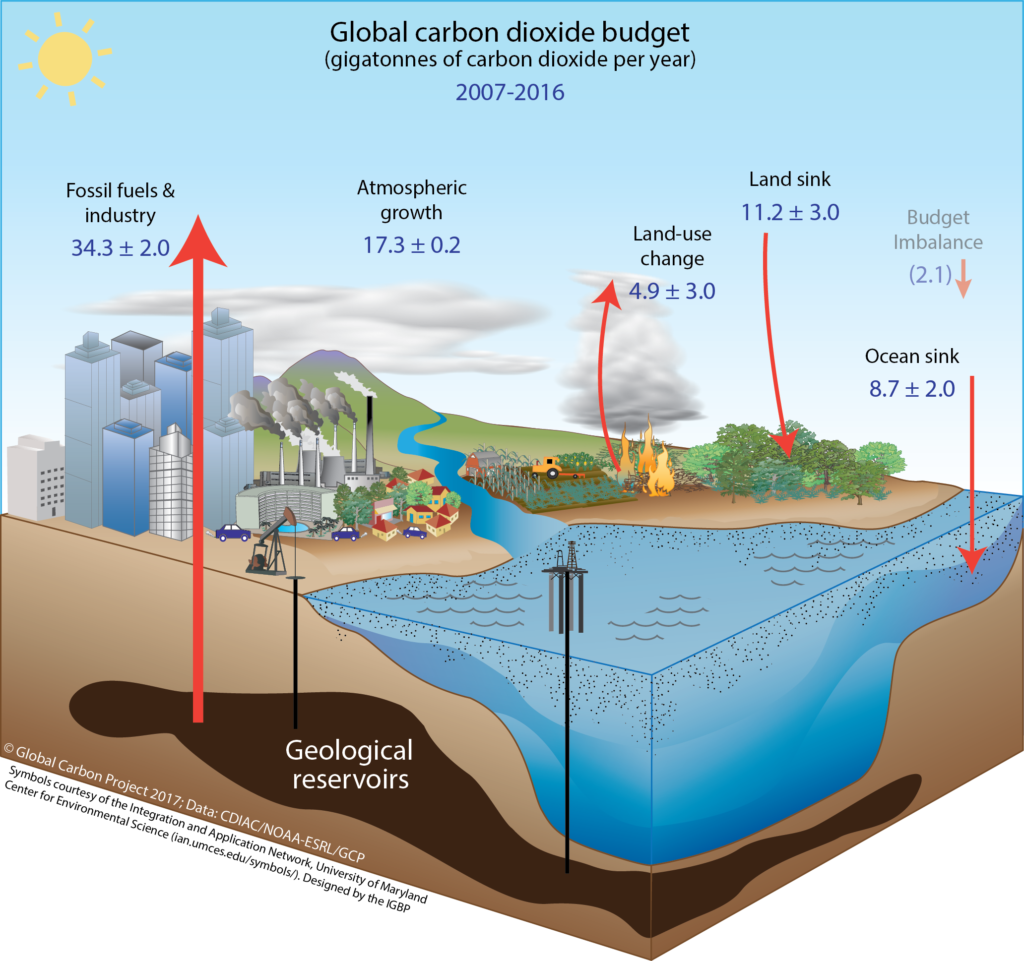
It’s really about the balance. A little greenhouse effect is good. Too much? Not so much. It’s like adding the right amount of salt to a dish versus accidentally dumping the whole container in. No one wants salty ice cream. Right?
The Carbon Cycle: A Roundabout of Life
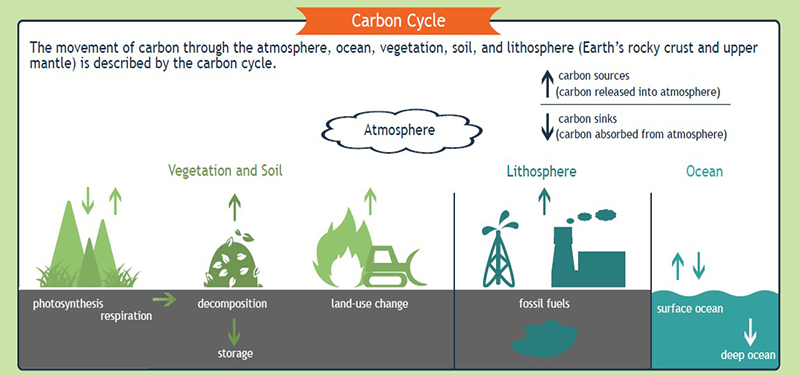
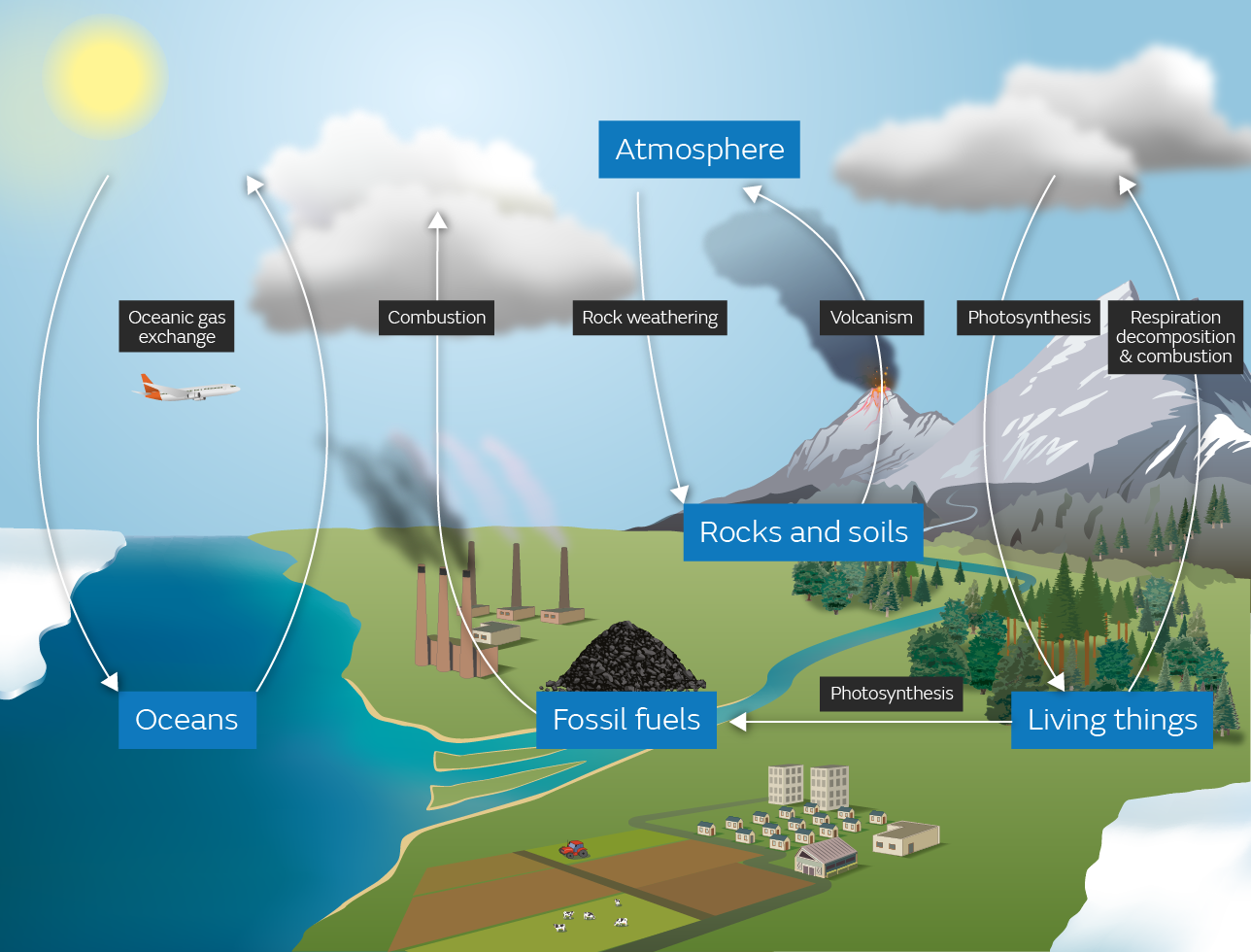
Carbon is constantly moving around in a big circle called the carbon cycle. Plants absorb it, animals eat the plants, we breathe it out, and the cycle continues. It’s a continuous dance of give and take. Like a real dance, there are parts that are slower or faster.
Oceans also play a huge role, absorbing lots of carbon dioxide from the atmosphere. Think of the ocean as a giant, slightly grumpy carbon sponge. It helps, but it can only soak up so much!
The problem is, we're adding carbon to the atmosphere much faster than natural processes can remove it. We’re like throwing more balls into the air than a juggler can handle. Eventually, something’s gotta drop!
Fossil Fuels: The Uninvited Guest Star
Burning fossil fuels releases huge amounts of carbon dioxide that have been locked away for millions of years. It’s like opening Pandora's Box, but instead of releasing plagues, we're releasing greenhouse gases.

This extra carbon dioxide traps more heat, leading to global warming and climate change. Remember that too-thick blanket? Now it’s a lead blanket, and we're sweating buckets.
Deforestation also contributes, as trees absorb carbon dioxide. Cutting down forests means there are fewer "carbon sinks" to soak up the excess. It's like removing sponges from a flooded room. Disaster!
Climate Change: More Than Just a Hot Day
Climate change is about long-term shifts in weather patterns. It means more extreme weather events, like hurricanes, floods, and droughts. It’s like nature is throwing a temper tantrum, and we’re all caught in the crossfire.
Rising sea levels are another major concern, threatening coastal communities. Imagine your favorite beach disappearing under water. It's a scary thought!
It’s not just about humans, either. Climate change impacts ecosystems, threatening plants and animals. We need to protect the species so that they do not disappear from the earth forever.
What Can We Do? Be a Carbon-Cutting Superhero!
The good news is, we can do something about it. We can reduce our carbon footprint by making small changes in our daily lives. Every little bit helps! It’s like adding small weights to balance out the boat.
Use less energy. Turn off the lights when you leave a room. Unplug electronics when you're not using them. It's like giving your wallet (and the planet) a break!
Eat less meat. Raising livestock contributes to greenhouse gas emissions. Maybe try a "Meatless Monday" or explore some delicious vegetarian recipes. You might be surprised at how much you enjoy it!
Choose sustainable transportation. Walk, bike, or take public transportation whenever possible. It’s good for your health and the environment. Plus, you might discover new routes and hidden gems in your neighborhood!
Support companies and policies that promote renewable energy. Wind power and solar energy are cleaner alternatives to fossil fuels. It's like voting with your wallet for a brighter future!
Talk to your friends and family about climate change. Raising awareness is crucial for creating change. Share this article! The more people understand the issue, the more likely we are to take action.
The Power of Collective Action
Remember, even small actions, when multiplied by millions of people, can make a big difference. It's like a symphony orchestra: each instrument plays a small part, but together they create beautiful music.
Climate change is a serious challenge, but it's not insurmountable. By working together, we can reduce our carbon emissions and create a more sustainable future for ourselves and future generations. It’s like planting a tree today to enjoy its shade tomorrow.
Let's be the generation that turns the tide on climate change. Let's rewrite the ending of this story and make it a happy one. Let's make carbon a friend, and not an enemy!
Remember carbon is important, but too much is not! Be thoughtful about climate change.