What Is The Reading In Kwh Of The Electric Meter
Ever stare at your electricity bill and wonder what all those numbers mean? Specifically, what's this "kWh" thing they keep throwing around? Understanding your electric meter reading, expressed in kilowatt-hours (kWh), might seem a bit daunting, but it's actually a pretty cool way to get a handle on your energy consumption and potentially save some money. Plus, it’s a handy skill to have in our increasingly energy-conscious world!
So, what exactly is a kWh? Think of it as the unit of measurement for electricity. It tells you how much energy you've used. Specifically, one kWh represents the amount of energy used by a 1,000-watt appliance running for one hour. For example, a 100-watt light bulb running for 10 hours consumes 1 kWh of electricity (100 watts x 10 hours = 1,000 watt-hours = 1 kWh). Your electric meter is basically a tiny, tireless accountant, constantly tracking how many kWhs your household is gobbling up.
Knowing how to read your electric meter and understand kWh readings is incredibly beneficial. Firstly, it allows you to monitor your energy usage. Are you using significantly more electricity this month compared to last month? Understanding your meter reading can help you pinpoint potential causes, like that old freezer running overtime or an increased reliance on air conditioning. This awareness is the first step towards becoming more energy-efficient.
Must Read
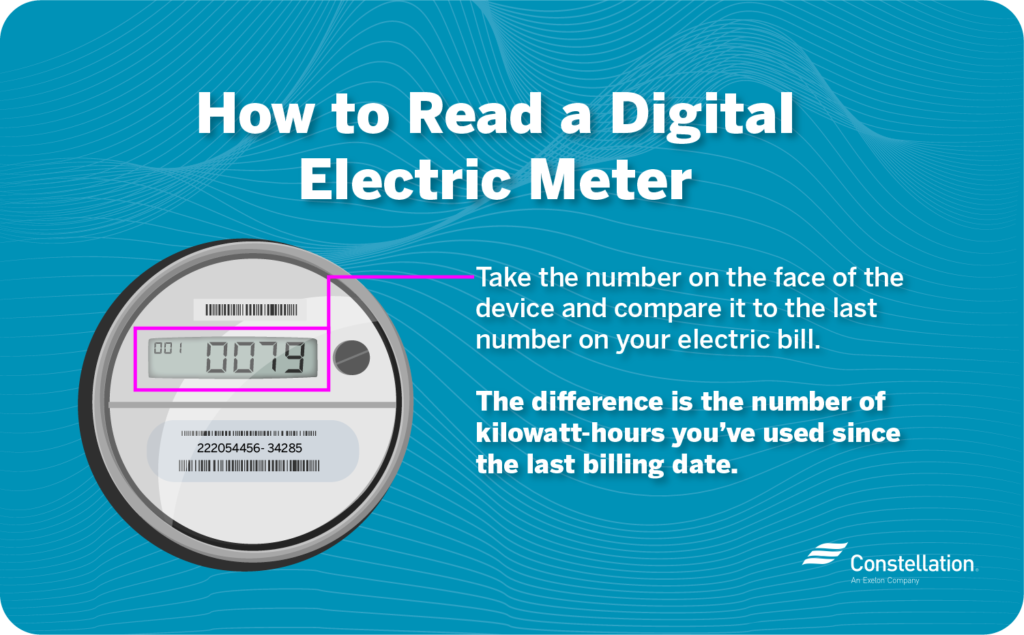
Secondly, it allows you to verify the accuracy of your bill. While utility companies are generally accurate, mistakes can happen. Being able to read your own meter and compare it to your bill gives you peace of mind and protects you from potential overcharges. You can even track your consumption daily and compare it with your utility's data online if they offer such a service.
In educational settings, understanding kWh readings can be a fantastic way to teach kids about energy conservation and responsible resource management. Imagine a science project where students track the energy consumption of different appliances in their homes and calculate the cost. This hands-on approach brings abstract concepts to life and encourages critical thinking about energy usage. In daily life, think about comparing the energy consumption of different light bulbs – LEDs versus incandescent – and calculate the long-term cost savings. This simple exercise can translate into tangible financial benefits.
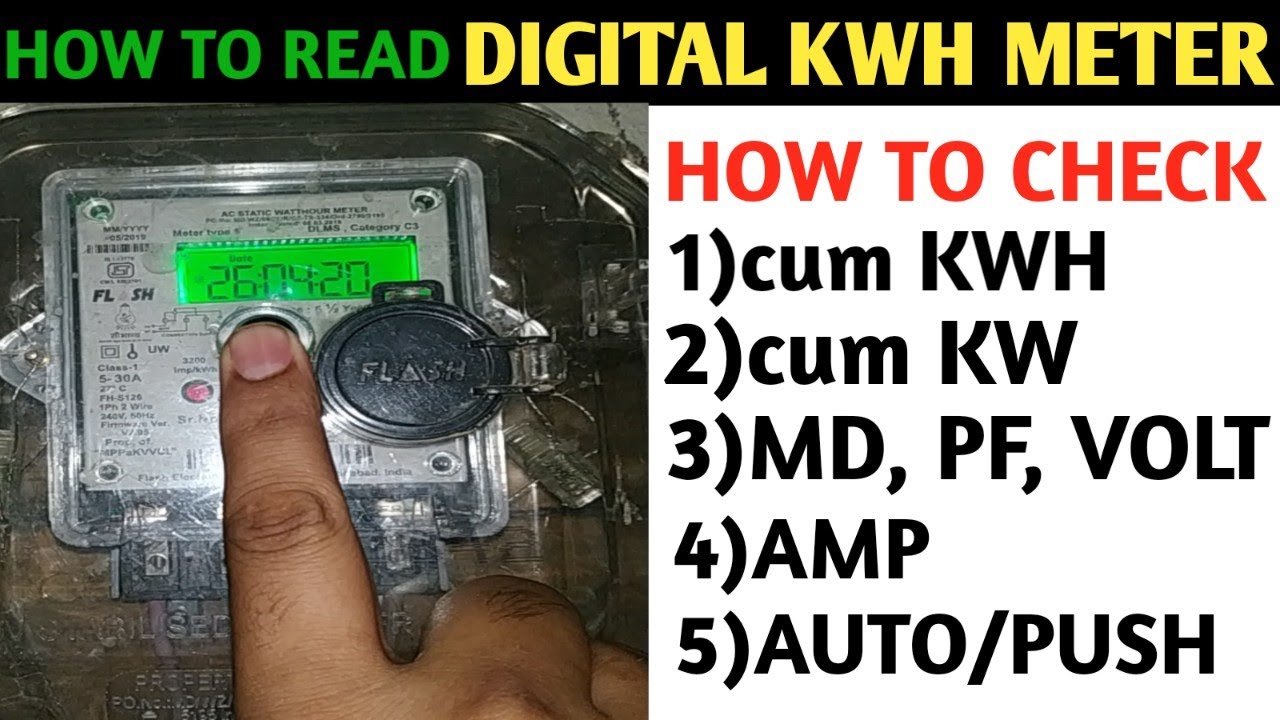
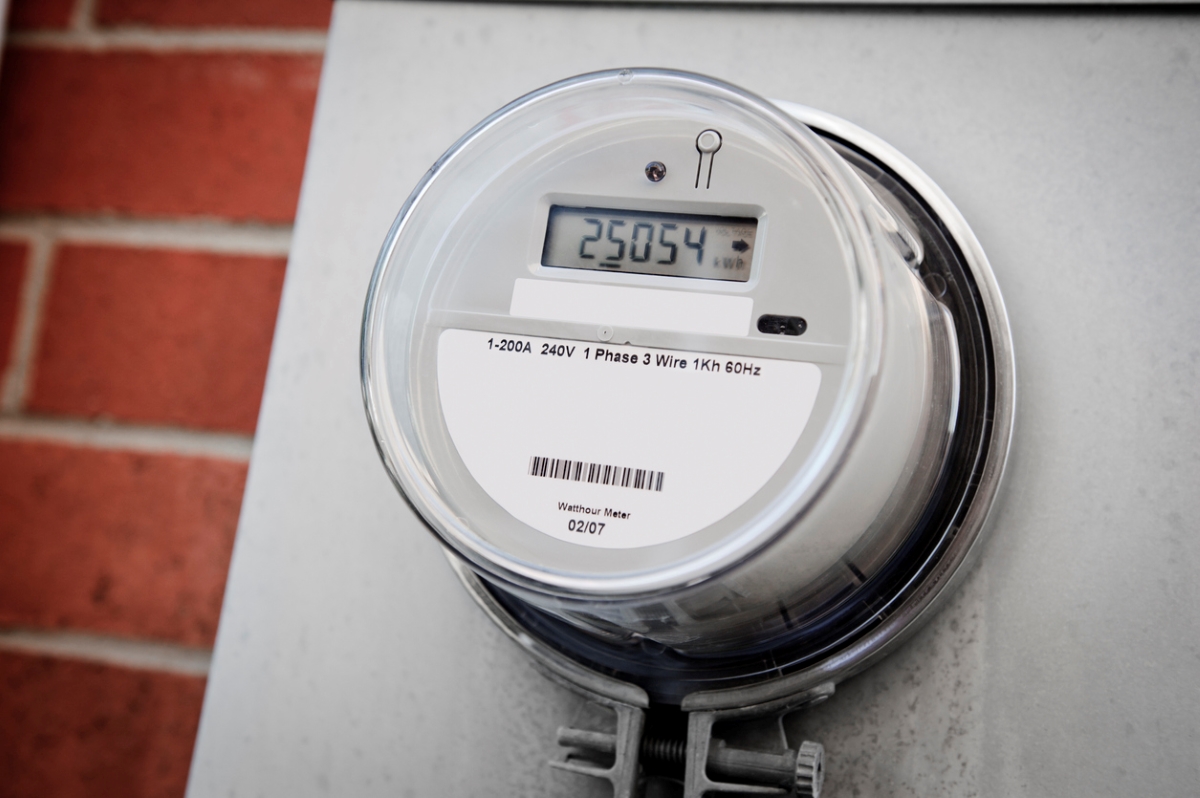
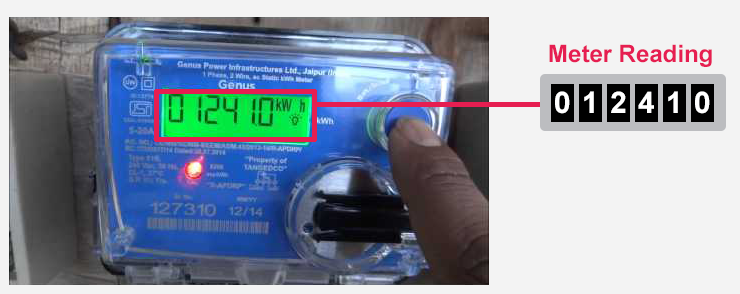
Want to explore this further? Here are a few simple tips: First, locate your electric meter. It's usually outside your house or in a utility room. Second, most meters have a digital display. Simply read the numbers displayed – that’s your current reading in kWh. Some older meters have dials which you’ll have to learn how to read (plenty of online tutorials for this!). Third, take readings at regular intervals (e.g., daily or weekly) and record them. Fourth, compare your readings with your electricity bill to check for discrepancies. Finally, experiment with different appliances and observe how they affect your meter reading. Turning on a high-powered appliance, like an oven, will cause the reading to increase more rapidly than turning on a small lamp.
Understanding kWh readings is a valuable skill that empowers you to take control of your energy consumption, save money, and contribute to a more sustainable future. So, take a peek at your meter and start exploring the fascinating world of energy!