What Is The Next Named Storm
Ever found yourself scrolling through news feeds, catching a weather report, and wondering, "What's the next big storm going to be called?" It's a curious little thought, isn't it? Like waiting for the next celebrity baby name announcement, but with far more significant implications for our weather. This isn't just idle curiosity; knowing the next named storm is a fascinating blend of shared anticipation, practical readiness, and a testament to how we organize and communicate about nature's most powerful events.
The practice of naming storms, particularly tropical cyclones, has been around for decades, and for good reason. Imagine trying to talk about "Tropical Depression 7, located at 23.5 North, 78.2 West" versus simply saying, "Hurricane Emily." The latter is immediately clearer, easier to remember, and universally understood. Storm names cut through the jargon, making complex meteorological information accessible to everyone. That's why keeping an eye on the next name on the list is so popular – it’s a simple way to stay connected to potential upcoming weather events.
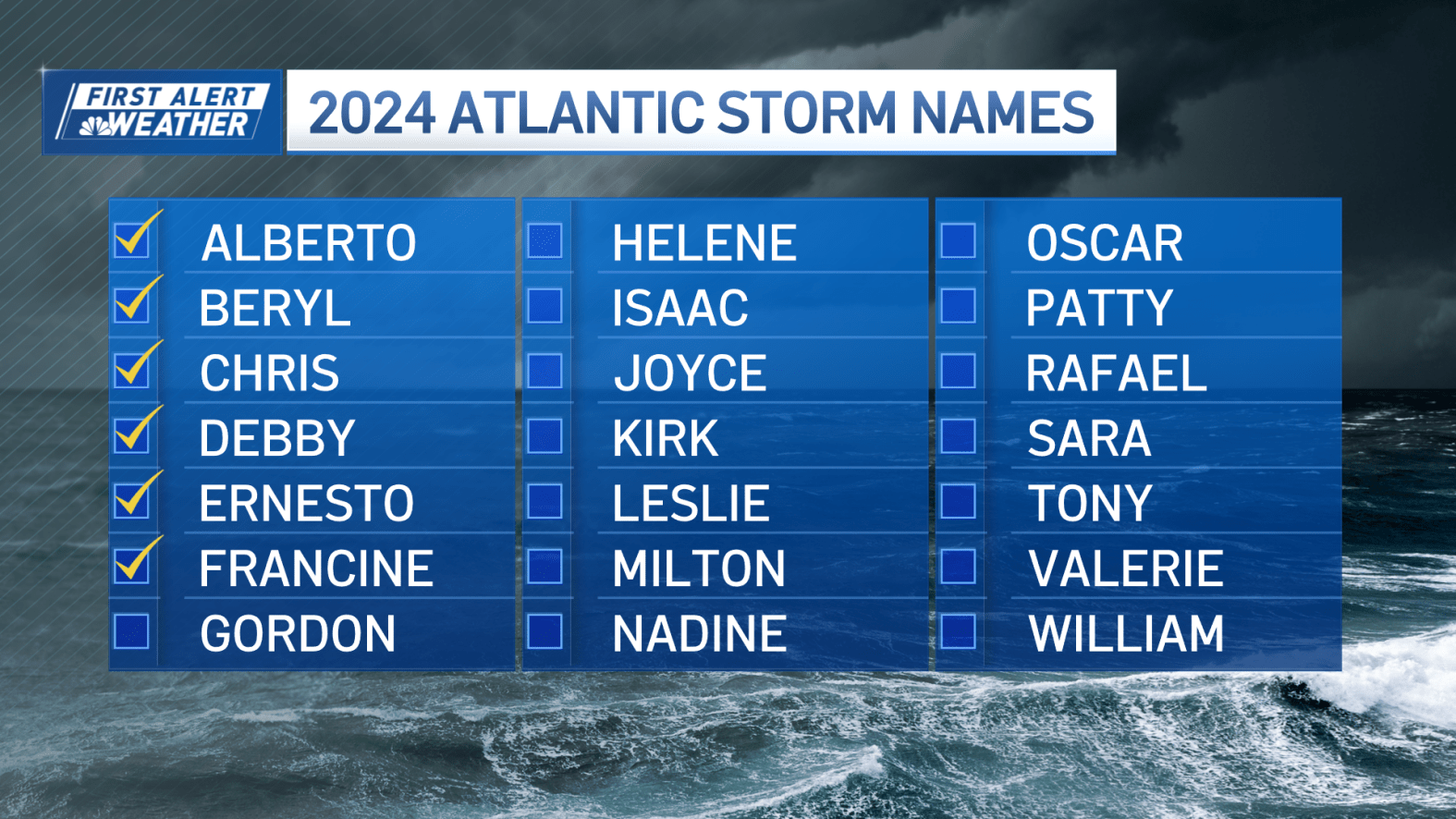
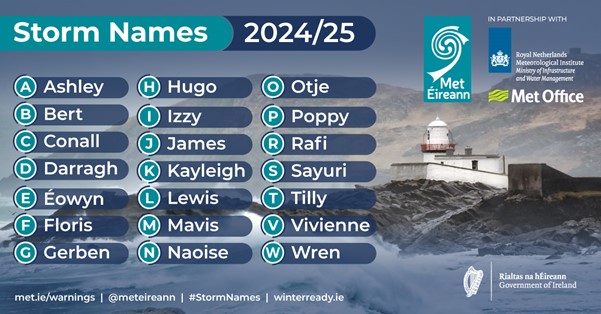
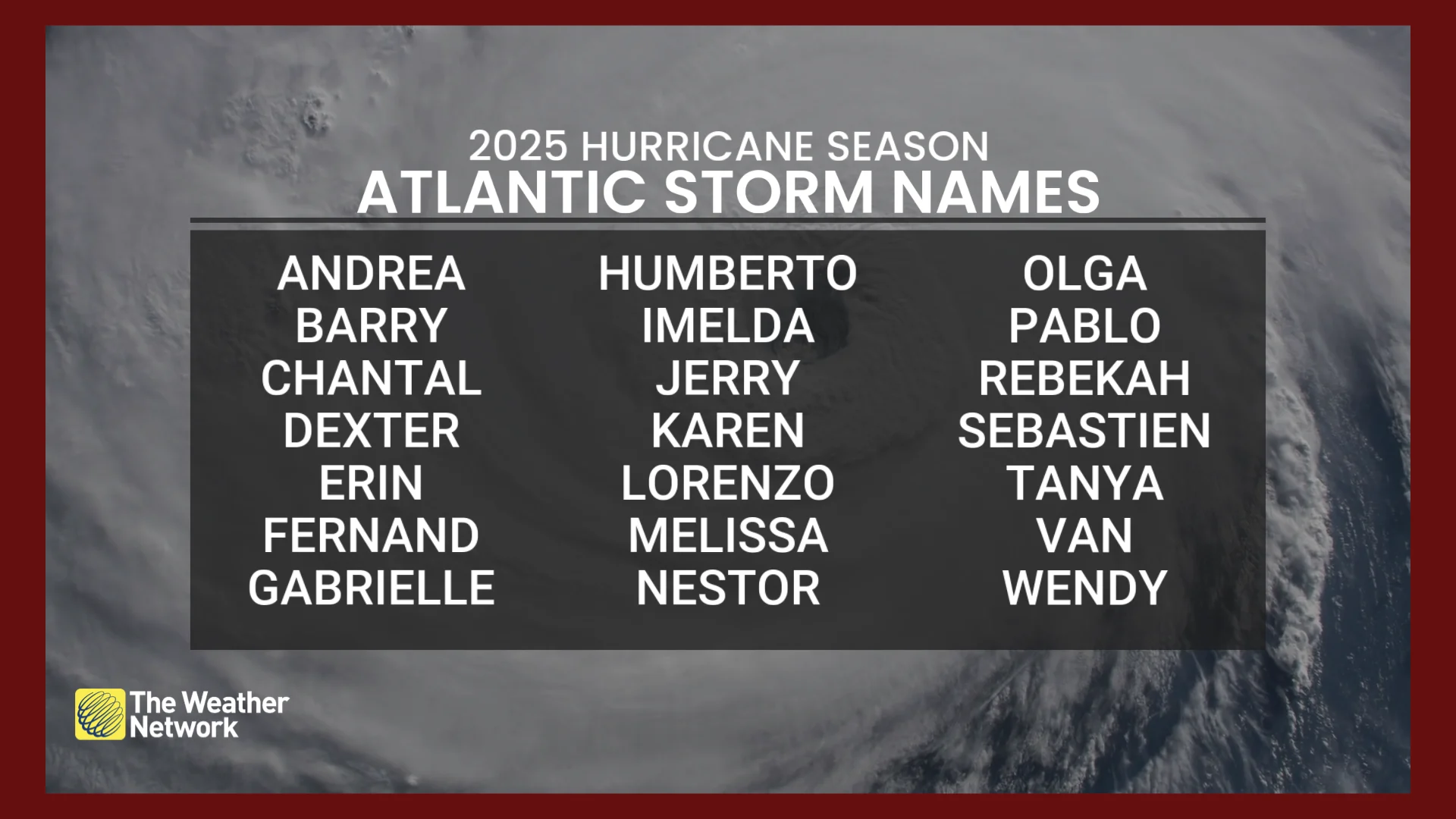
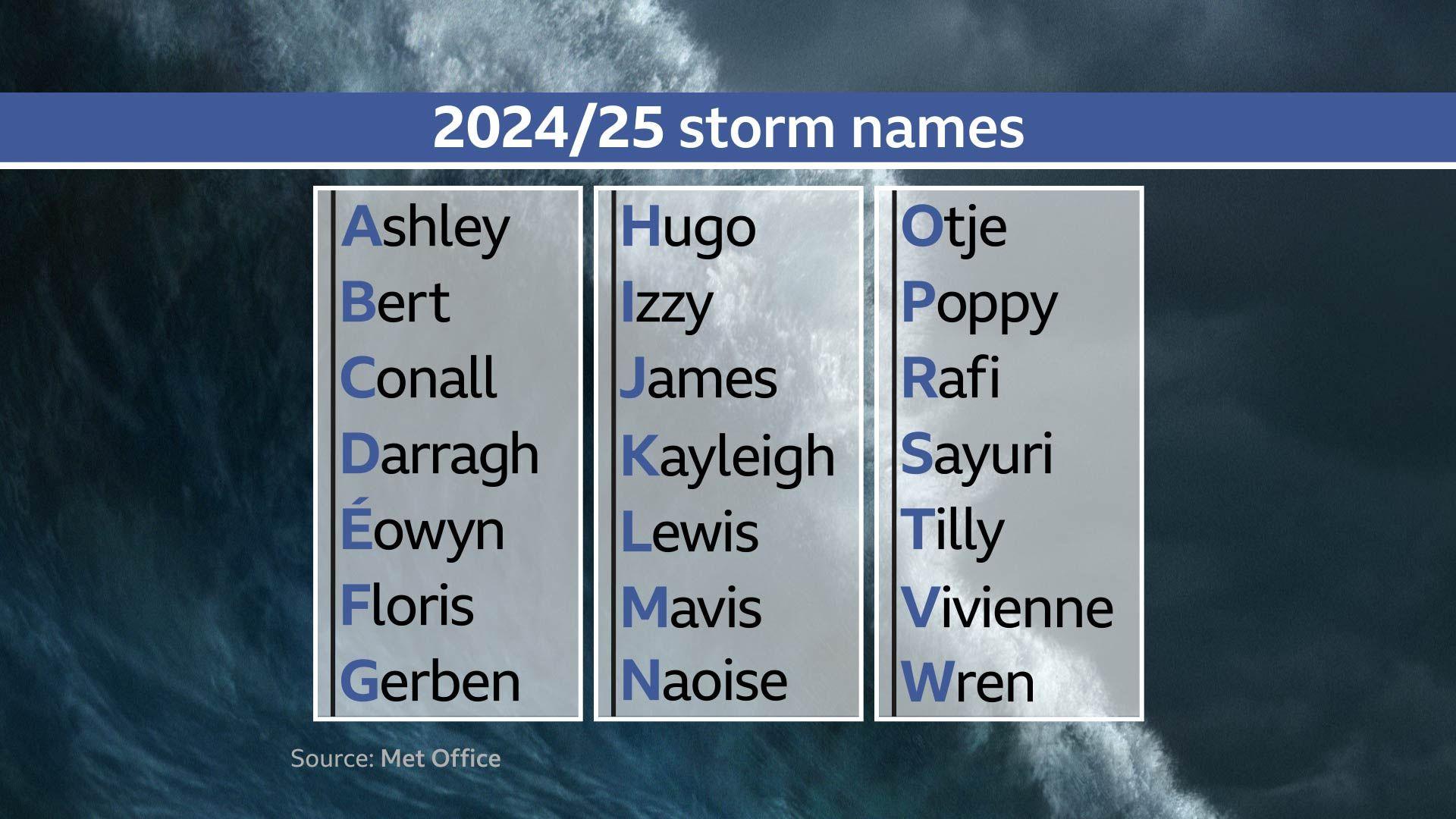
So, what’s the big deal about knowing the next one? There are several compelling reasons. Firstly, it offers a sense of predictive awareness. While we can’t predict a storm's exact path weeks in advance, knowing the alphabetical list of names (which rotates annually for each ocean basin) means you can see which names are still "in play." If a season is particularly active, and we're already on "F" or "G," it subtly signals a busy period and encourages greater vigilance. This isn't about fear-mongering; it's about fostering a healthy respect for nature and staying informed.
Must Read
Secondly, it greatly aids in preparedness and communication. When a storm officially gets a name, it immediately elevates its status in public perception. It’s no longer just a "tropical wave"; it's a specific entity requiring attention. Knowing the next name provides a sort of mental placeholder. As soon as a disturbance looks like it might organize enough to be named, people often start thinking about "Hurricane [Next Name]" even before it's official. This early mental engagement can translate into earlier planning – checking emergency kits, securing outdoor items, or simply discussing possibilities with family and friends.
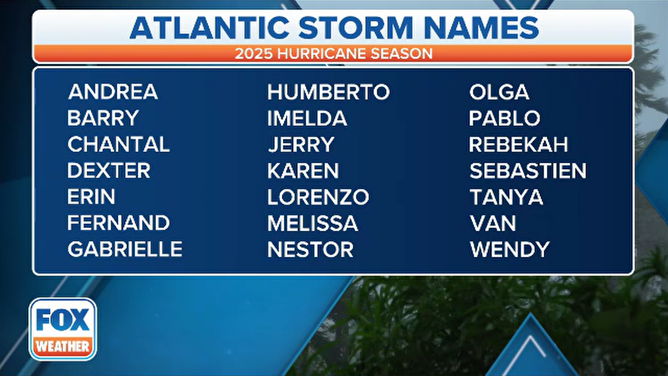
The benefits extend to official channels too. Emergency responders, media outlets, and government agencies rely on these names for clear and unambiguous messaging. Imagine the chaos if multiple systems were active simultaneously without distinct names! By following the next name, you're tapping into the same system used by experts to convey critical information. It simplifies tracking, allows for historical reference (who could forget Hurricane Katrina?), and builds a common language around severe weather events.
In essence, knowing the next named storm is more than just trivia. It’s a subtle yet powerful tool for community engagement and personal readiness. It transforms an abstract weather phenomenon into something we can easily discuss, monitor, and ultimately, prepare for. So, keep an eye on those alphabetical lists – they’re not just letters; they're the heralds of the next chapter in our ever-unfolding weather story.