What Is The Most Powerful Part Of A Hurricane
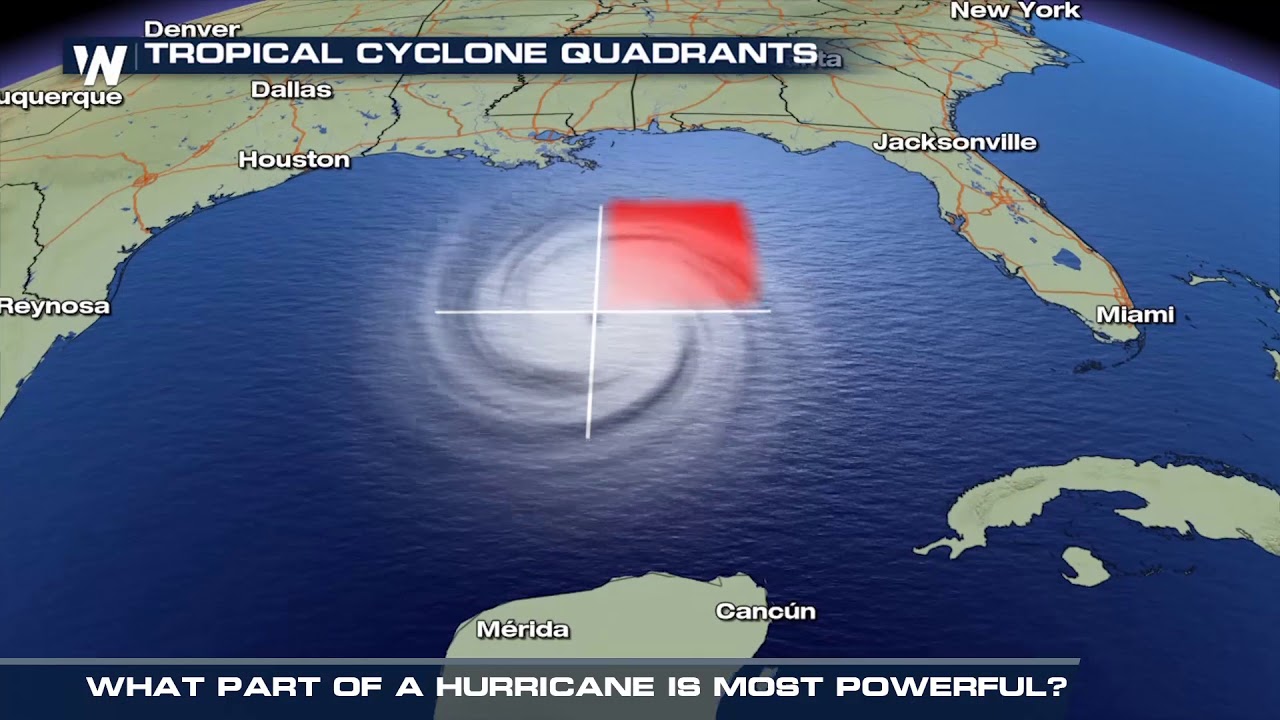
Hey there, weather enthusiasts! Ever been mesmerized (and maybe a little terrified) by the sheer power of a hurricane? I know I have. These swirling dervishes of wind and rain are some of the most impressive – and destructive – forces on our planet. But have you ever wondered, what's the real engine behind all that chaos? What’s the single, most powerful part of a hurricane?
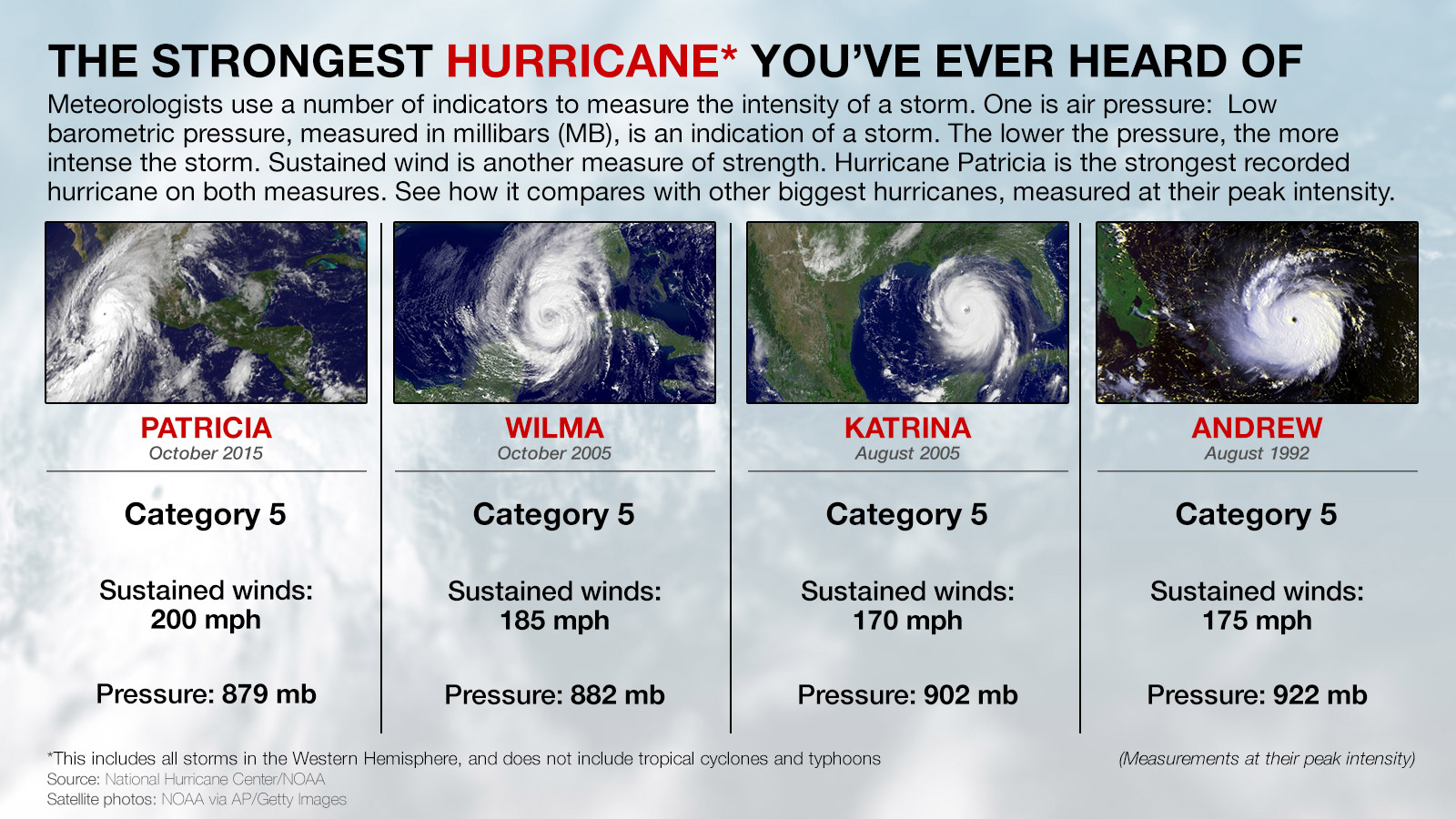
It might seem like an obvious answer, right? The wind! I mean, sustained winds of over 150 mph are nothing to sneeze at. They can rip roofs off houses, turn cars into projectiles, and generally cause mayhem. But while the wind is definitely a major player in the hurricane's destructive arsenal, it's not the most powerful part. Think of the wind as the boxer's punch – devastating, sure, but it needs a strong body behind it to deliver that blow.
So, if it's not the wind, then what is it? Well, hold onto your hats…it's the storm surge.
Must Read
Storm Surge: The Silent Giant
What exactly is storm surge? Simply put, it's an abnormal rise in sea level during a hurricane or other intense storm. It's caused primarily by the hurricane's powerful winds pushing the ocean water towards the coast. Think of it like this: imagine you're pushing a large rug across the floor. The rug bunches up in front of you, right? Storm surge is basically the ocean doing the same thing.
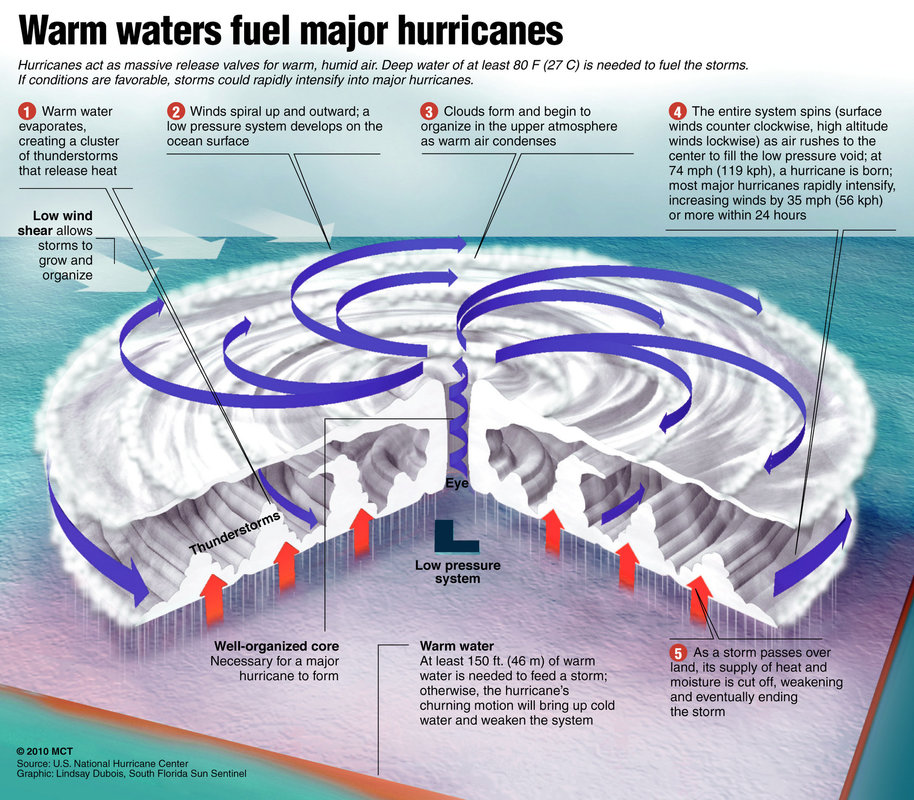
But why is storm surge so much more powerful than the wind? Glad you asked! The scale is just… colossal. While the wind affects everything above the ground, the storm surge affects everything at and below sea level. And remember, water is heavy! A cubic foot of water weighs about 64 pounds. Now imagine millions of cubic feet of water surging onto land. That's a wall of water, and it's carrying incredible force.
Consider this: A hurricane with a 15-foot storm surge can inundate entire communities, flooding homes up to the second story. It can wipe out roads, bridges, and infrastructure. It can cause more damage in a matter of hours than years of steady rainfall and wind combined. Does that give you a sense of its power?
Why Storm Surge is So Deadly
The sheer volume and force of storm surge makes it incredibly dangerous. It's not just about getting wet; it's about the devastating impact of that water. The force of the water can literally knock buildings off their foundations. The currents created by the surge can sweep away cars, boats, and even people. Plus, the water is often contaminated with sewage, chemicals, and debris, posing serious health risks.
Have you ever seen those videos of houses being swept away by floodwaters? Chances are, storm surge was a major contributing factor. The sad truth is that storm surge is responsible for a huge percentage of hurricane-related deaths, far more than wind alone. That’s why it’s the deadliest part of a hurricane.
The Science Behind the Surge
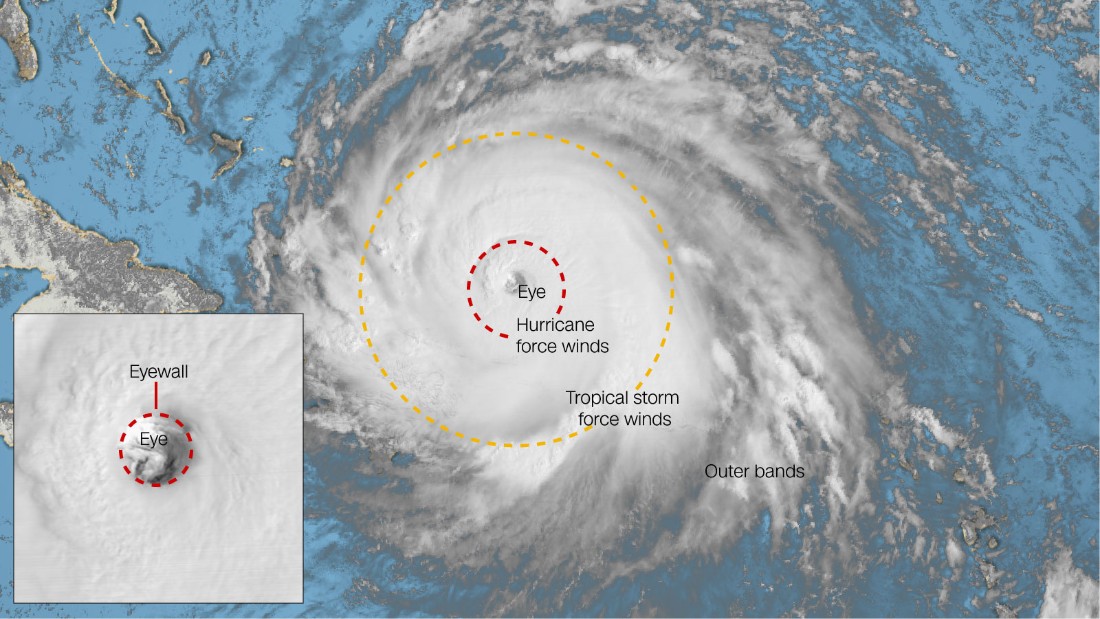
So, what factors influence the size and impact of a storm surge? It's a complex mix of variables, including:
- Hurricane Intensity: Stronger storms, with lower atmospheric pressure and higher wind speeds, generate larger surges.
- Forward Speed: A slower-moving hurricane will linger longer over an area, allowing the surge to build.
- Angle of Approach: The angle at which the hurricane makes landfall can funnel water into bays and estuaries, amplifying the surge.
- Coastal Geography: Low-lying coastal areas are particularly vulnerable, while areas with natural barriers like mangroves or barrier islands are somewhat protected.
- Tides: If the hurricane makes landfall during high tide, the storm surge will be even higher.
Scientists use sophisticated models and data to predict the potential storm surge for a given hurricane. This information is crucial for issuing timely warnings and evacuation orders, helping to save lives.
Protecting Ourselves From the Surge
While we can't control hurricanes, we can take steps to mitigate the impact of storm surge. These include:
- Heeding Evacuation Orders: If you're told to evacuate, don't hesitate. It's the best way to stay safe.
- Strengthening Homes: Building codes in coastal areas are designed to withstand hurricane-force winds and storm surge.
- Protecting Natural Barriers: Mangroves, wetlands, and barrier islands provide valuable protection from storm surge.
- Improving Infrastructure: Building seawalls and levees can help to protect vulnerable areas.
Understanding the power of storm surge is crucial for anyone living in a coastal area. By being prepared and informed, we can help to minimize the risks and protect ourselves and our communities.
So, the next time you hear about a hurricane, remember that while the wind is a force to be reckoned with, the real power lies in the relentless, devastating surge of water. Stay safe out there!