What Is The Meaning Of Embossed

Ever held a fancy business card and found yourself running your thumb over the lettering, or admired a wedding invitation where the script seemed to lift right off the page? That delightful little surprise for your fingertips is what we call embossing. It's not just a visual treat; it’s an invitation to engage your sense of touch, adding an unexpected layer of sophistication and sensory pleasure to the mundane.
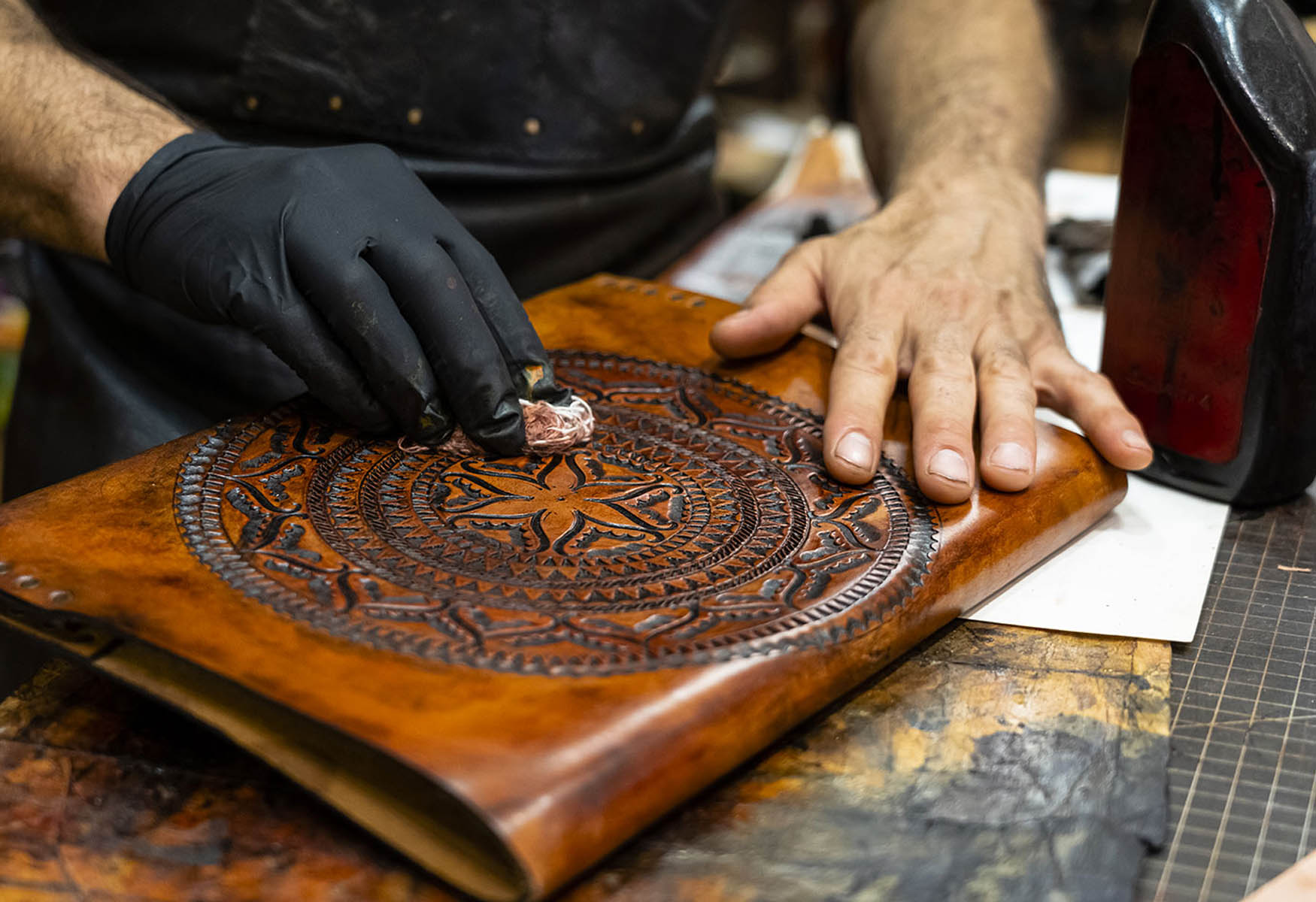
So, what exactly is the meaning of "embossed"? Simply put, it means to raise a design or pattern above the surface of a material, creating a three-dimensional effect. Think of it as giving something a gentle, elegant bump, making it literally stand out. In a world saturated with flat screens and smooth surfaces, an embossed detail provides a welcome break, a moment of tactile discovery that makes an object feel more substantial, more intentional, and inherently more valuable. It tells you that thought and care went into its creation, elevating it beyond the ordinary print.
The benefits of embossing extend far beyond just looking and feeling nice. For everyday life, it serves a fantastic purpose in differentiation and communication. Imagine a bland, flat credit card versus one where your name and the card number are elegantly raised. The latter feels more secure, more premium, and easier to identify by touch alone. On a certificate or diploma, an embossed seal isn't just decorative; it adds a layer of official gravitas and makes the document feel authentic and important. For luxury brands, embossed logos on packaging or labels are a subtle yet powerful signal of quality and exclusivity, creating an immediate perception of high-end craftsmanship that flat printing simply can't replicate.
Must Read
You’ll encounter embossed elements everywhere once you start looking (and feeling!). Beyond stationery and credit cards, consider the raised lettering on your favourite perfume bottle, the intricate patterns on a chocolate box, or the distinct feel of a custom-designed book cover. Some security features on currency and passports also utilize sophisticated embossing techniques to deter counterfeiting. Even the humble Braille system, which allows visually impaired individuals to read, utilizes a principle similar to embossing – raised dots that convey information through touch. It's a testament to how profoundly a simple raised surface can impact functionality and experience.
Want to enjoy the world of embossing more effectively? Here are a few practical tips. First, cultivate a habit of conscious touching. Don't just look at objects; run your fingers over them. You'll be amazed at the hidden textures and details you discover. Second, appreciate the craftsmanship. Realize that creating an embossed effect often involves specialized tools, dies, and pressure, which adds to the item's value. Third, if you're feeling creative, try your hand at it! Basic embossing tools are available for paper crafts, allowing you to add your own elegant touches to cards, scrapbooks, and invitations. Finally, become a "texture detective." Notice how different materials – paper, metal, plastic, leather – react to embossing, and how it changes their overall appeal. By engaging with this subtle art form, you’ll find a whole new dimension of enjoyment in the tactile world around you.