What Is The Mass Of Aluminum

Ever picked up a soda can and barely felt its weight? Or watched an airplane soar effortlessly overhead, seemingly defying gravity? Chances are, you were experiencing the quiet marvel of aluminum – a metal celebrated not just for its shiny appearance, but profoundly for its incredibly useful mass. We might not often pause to ponder the specific "mass of aluminum," but its properties are deeply ingrained in countless aspects of our daily lives, making things lighter, stronger, and more efficient.
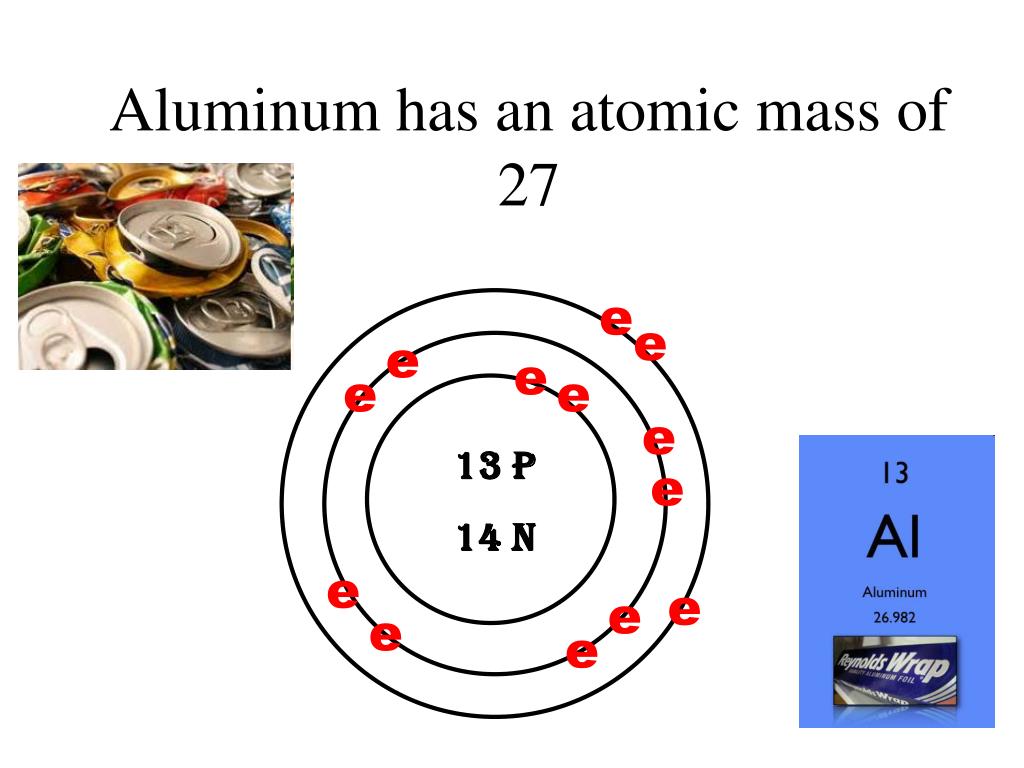
So, what exactly is the mass of aluminum? Well, it's not a single fixed number, because mass depends on how much aluminum you have! What's truly remarkable about aluminum is its low density. Imagine a block of aluminum and a block of steel of the exact same size. The aluminum block would be significantly lighter. This low density means that for a given volume, aluminum has considerably less mass compared to many other common metals. This fundamental property translates into a cascade of benefits that impact everything from the vehicles we drive to the food we eat.
The primary benefit of aluminum’s low mass is its contribution to efficiency and portability. In the realm of transportation, a lighter airplane uses less fuel, saving costs and reducing emissions. The same applies to cars, trains, and even bicycles – lighter frames mean less effort to move, improving performance and economy. For everyday items, think about the ease of carrying an aluminum water bottle compared to a stainless steel one, or how effortlessly you can open and close an aluminum window frame. Its lightness makes countless products not just possible, but genuinely convenient.
Must Read
Common examples of aluminum's application are all around us. Your ubiquitous soda or beer can? Aluminum, chosen for its lightness, recyclability, and ability to protect its contents. The foil you wrap leftovers in? Pure aluminum. Look up, and the wings and fuselage of that commercial airliner are primarily aluminum alloys, providing the crucial strength-to-weight ratio needed for flight. Bicycle frames, camping gear, cookware, ladders, smartphone casings, and even parts of your car engine all leverage aluminum’s unique mass properties. It's a silent workhorse, making our modern world function more smoothly.
To enjoy and appreciate the "mass of aluminum" more effectively, try this: Next time you interact with an aluminum product, pause for a moment. Feel its lightness. Consider the engineering ingenuity that went into selecting this particular material. Why was aluminum chosen over plastic, steel, or wood? Often, the answer boils down to its unparalleled combination of low mass, strength, and corrosion resistance. Think about the energy saved by making something lighter, or the environmental impact of choosing a metal that is infinitely recyclable without losing quality – recycling aluminum uses a fraction of the energy required to produce new aluminum. By understanding the significance of aluminum's mass, you gain a deeper appreciation for the clever science behind the products that shape our daily lives, transforming mundane objects into testaments of material innovation.