
What Is The Main Cause Of House Fires

We often talk about the serious side of life, don't we? Things like what causes big problems, especially when those problems involve our homes.
And when it comes to house fires, everyone usually points fingers at the usual suspects.
They blame faulty wiring. Or a mysterious short circuit. Perhaps a rogue toaster. Maybe even a sneaky lint trap.
Must Read
But what if I told you the true culprit behind most house fires isn't an object at all? What if it's something much more familiar?
Prepare for an opinion that might just be a little bit unpopular. But also, quite possibly, one you'll quietly agree with.
The main cause of house fires, my friends, isn't some inanimate object plotting chaos in your living room.
It's not the electrical outlet suddenly deciding to throw a fiery tantrum. It's not even the forgotten candle with a secret agenda.
No, the real, undeniable, often overlooked cause is far simpler. It’s us.
Yes, you and me. Our glorious, often distracted, sometimes forgetful, human brains.
That's right, the primary reason for most house fires is a classic case of what we like to call "humaning."
It's our wonderful, complex, and occasionally scatterbrained selves that are truly at the heart of the matter.
Think about it for a moment. Every single fire, nearly without exception, has a tiny touch of human involvement.
It's rarely the frying pan itself that sparks a blaze. It's the person using it, or more accurately, the person not using it with full attention.
The universe isn't conspiring against your curtains. Someone, perhaps innocently, placed a candle a little too close.
Our homes are generally safe spaces. It's our interaction with them that sometimes, just sometimes, goes a little bit awry.
The Grand Overlord of Forgetfulness
We are the undisputed champions of the "oopsie." Our brains, those marvelous, squishy organs, are often incredibly busy.
Perhaps we're mentally planning our next holiday. Or we're replaying a funny meme we saw online. Or desperately trying to remember where we put our car keys.
This constant mental multitasking, while impressive, can occasionally lead to some rather fiery consequences.
It’s not the stovetop's fault that it got left on for too long. It’s the person who walked away from it while a delicious sauce simmered.
The oven didn't magically decide to turn your dinner into charcoal by itself. Someone placed the food inside and then, well, then they simply forgot.
And who, pray tell, lights the decorative candle in the first place? A human, right? A human who then might get utterly engrossed in a gripping novel.
Or perhaps they're suddenly called to solve a critical Lego-building emergency with a small child.
"It’s not the fire that starts itself; it’s the human brain taking a short, unscheduled vacation."
Our everyday lives are packed with little distractions, tiny pulls on our attention that can shift our focus away from potentially risky tasks.
This isn't about blaming, of course. It's about recognizing our perfectly natural human tendencies.
Tendencies like losing track of time, getting absorbed in thoughts, or simply making a hasty decision.
The Case of the Culinary Catastrophe
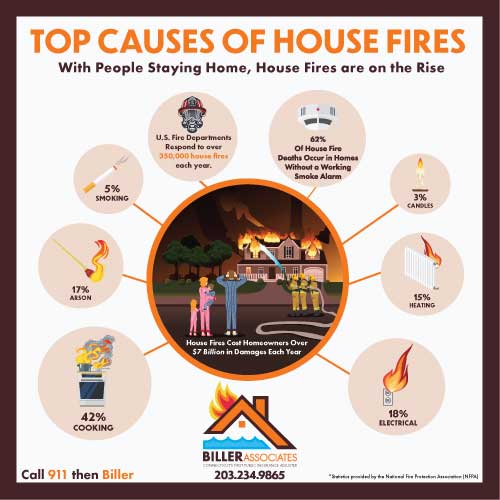
Cooking-related fires are incredibly common. We hear about them all the time on the news.
But is it truly the innocent frying pan’s fault? Or the cooking oil, just minding its own business in the pan?
No, it's usually us. We get caught up in an engaging podcast, or perhaps a sudden, deep conversation with a housemate, while the pasta water boils over.
Or maybe we step out of the kitchen "just for a second" to check a social media notification. And that second stretches into several minutes.
Suddenly, the kitchen is filled with a distinct aroma. It's not the delightful scent of a home-cooked meal. It's the unmistakable smell of "something is definitely burning."
Those delicious dinner plans just went up in smoke, sometimes quite literally. All because of a momentary lapse in attention.
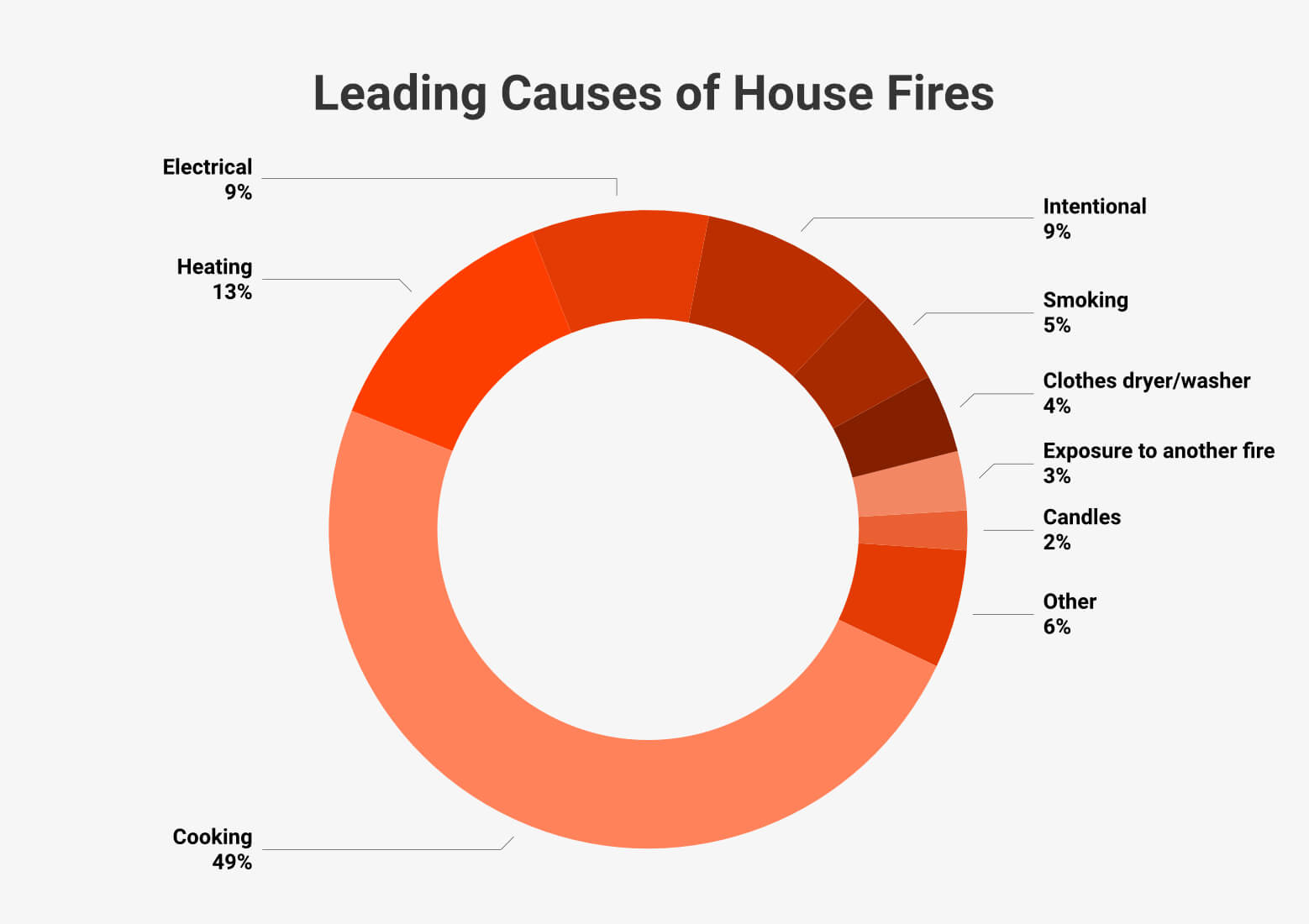
Our love for good food, coupled with our busy lives, makes the kitchen a prime hotspot for human-induced incidents.
The Electro-Human Connection
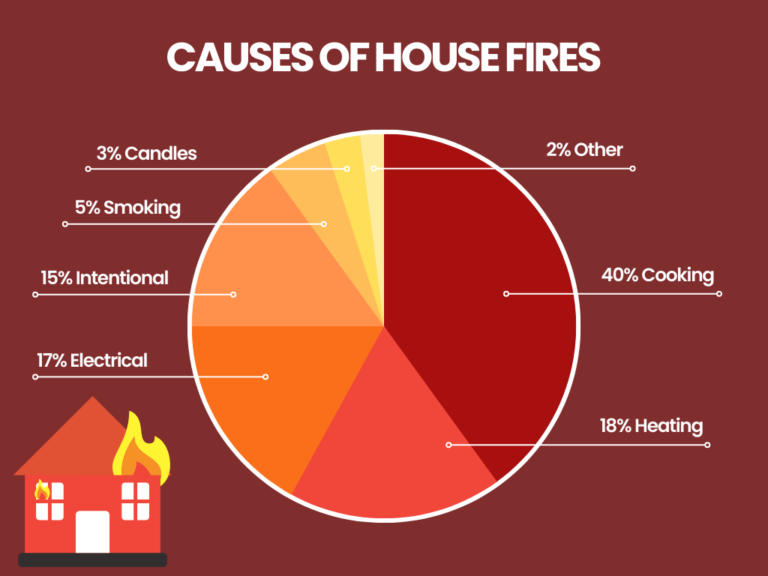
Electrical fires sound so technical and complicated, don't they? "Faulty wiring," we often mutter with a shake of the head.
But who plugged three power strips into one wall outlet, creating a tangled, precarious spiderweb of cords? That would be us.
Who continued to use that ancient, frayed extension cord, despite seeing the bare wires, just to power the outdoor string lights? Again, us.
We often overlook the obvious signs of wear and tear on our appliances and cords. We push the limits of our home's electrical system, sometimes unknowingly.
It’s our human desire for more power, more gadgets, all conveniently crammed into too few sockets.
And our occasional, very human, reluctance to call an electrician for that strange buzzing sound coming from the bathroom outlet.
"Overloading electrical circuits isn't the circuit's idea. It's a very human one, born of convenience and perhaps a touch of procrastination."
We want everything to work, all the time, without much fuss. This desire can sometimes lead us to ignore safety warnings.
The Candle Conundrum and Smoking Snafus
Ah, the warm, cozy glow of a scented candle! So lovely, so inviting, especially on a chilly evening.
Until someone forgets it burning merrily near a flowing curtain. Or falls asleep peacefully with it flickering on the bedside table.
The candle itself is merely doing what candles do: producing a flame. It didn't decide to migrate over to the flammable object.
A human placed it there, or perhaps just neglected its fiery presence for too long. This is a classic example of human oversight.
And smoking, which is tragically a leading cause of residential fires? It’s not the cigarette itself that magically ignites while sitting in an ashtray.
It's when it falls onto the fluffy carpet. Or into a wastebasket full of paper. Or, most commonly, when someone nods off with it still lit.
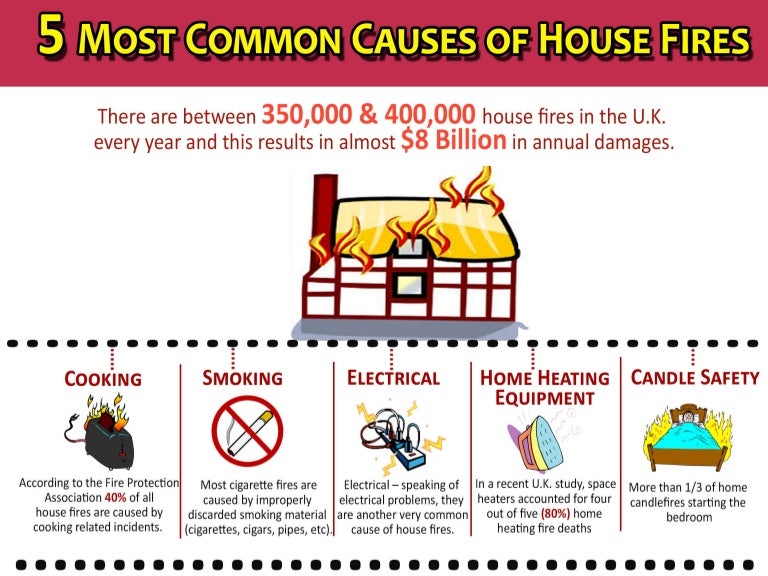
These are all scenarios directly driven by human action or, more importantly, human inaction.
A momentary lapse, a sleepy blink, and suddenly a small ember becomes a serious problem.
The Subtle Art of Distraction
In our modern, always-on world, distraction reigns supreme. Our phones buzz constantly, our tablets glow with endless notifications.
We're pulled in a hundred different directions at once. Our collective attention spans sometimes feel as fleeting as tiny, fluttering butterflies.
This constant mental juggling act is a prime suspect in our playful investigation into fire causes.
A quick check of social media can morph into ten minutes. And ten minutes can be all it takes for a situation to escalate.
That large load of laundry forgotten in the dryer, creating a potentially dangerous lint build-up? It's not the lint trap's fault it’s full.
A human filled it, then got distracted by an email, or perhaps a riveting TV show, before cleaning it out.
Our minds are incredible instruments, but they're not always perfectly focused on the immediate task at hand.
Especially if that task involves something mundane, like "monitoring the toast to prevent it from becoming an emergency."
The allure of a notification, the ping of an incoming message, can easily divert our crucial focus.
The Unsung Villain: Rushing
We live in a constant state of hurry, don't we? Always rushing to the next appointment, the next task, the next obligation.
A quick dash out of the house for work? Did you remember to turn off the curling iron? Or the coffee maker?
In our haste, small but absolutely crucial safety steps can be inadvertently overlooked. These minor oversights can have major repercussions.
The relentless ticking clock often makes us cut corners. And sometimes, those very corners are where danger can ignite.
Rushing is the silent partner of forgetfulness, forming a dynamic, rather dangerous duo of potential disaster.
We prioritize speed over thoroughness, convinced that "just this once" won't cause any harm. But "just this once" can be all it takes.
So, What's the Solution to Our Glorious Human Condition?
Are we, as humans, simply doomed to a life of accidental infernos and singed eyebrows? Of course not! We are, after all, rather clever creatures.
The truly good news in this playful assessment is that since we are, arguably, the main cause, we are also the main solution.
It’s simply about cultivating a little extra awareness. A pinch more mindfulness in our daily routines. A dash of deliberate double-checking.
Perhaps a friendly, internal reminder to ourselves before we leave a room: "Stove off? Candles out? Iron unplugged?"
Or a quick, conscious glance at that lint trap before running the dryer for the next load. These small habits make a big difference.
Maybe even investing in a few smart plugs that you can conveniently control from your phone, just as a backup for your busy brain.
These aren't meant to make up for our failings, but to give our occasionally overloaded brains a helpful little assist.
So, the next time you hear about a house fire, give a sympathetic nod to the serious nature of the event.
But also, perhaps with a wry smile, remember that it's rarely just the inanimate objects causing chaos all by themselves.
It’s most likely just us, being delightfully, sometimes disastrously, human.
Let's all try to "human" a little more carefully and mindfully, shall we? Our homes (and our insurance premiums) will thank us.