
What Is The Highest Recorded Temperature In The Us

Hey there, sun-worshippers and shade-seekers! We've all experienced a sweltering summer day, right? That feeling when the air is thick, the pavement sizzles, and all you want to do is dive into the nearest body of water (or, let's be real, crank up the AC to Arctic levels). But have you ever stopped to wonder, what’s the absolute hottest it’s ever gotten in the good ol' US of A?
Prepare to have your mind (and maybe your imaginary ice cream cone) melted, because the numbers we're about to drop are nothing short of scorching. We're talking about a temperature that makes a "hot day" feel like a cool breeze.
The Undisputed Champion of Heat
Drumroll please… the highest recorded temperature in the United States, and indeed one of the highest ever reliably measured on Earth, clocked in at an mind-boggling 134 degrees Fahrenheit (56.7 degrees Celsius). Yes, you read that right. One hundred and thirty-four degrees. That's not just hot; that's practically boiling the air.
Must Read
This legendary inferno happened on July 10, 1913, in a place whose name perfectly captures its essence: Furnace Creek, Death Valley, California. Honestly, could it be anywhere else? The name "Death Valley" pretty much sets the stage for extreme conditions, doesn't it?
Why So Hot, Death Valley?
So, what makes this corner of California such a hotspot (pun intended)? It's a perfect storm of geographical factors that create a natural oven:
Below Sea Level: Much of Death Valley is actually below sea level, meaning the air pressure is higher, which can lead to higher temperatures.

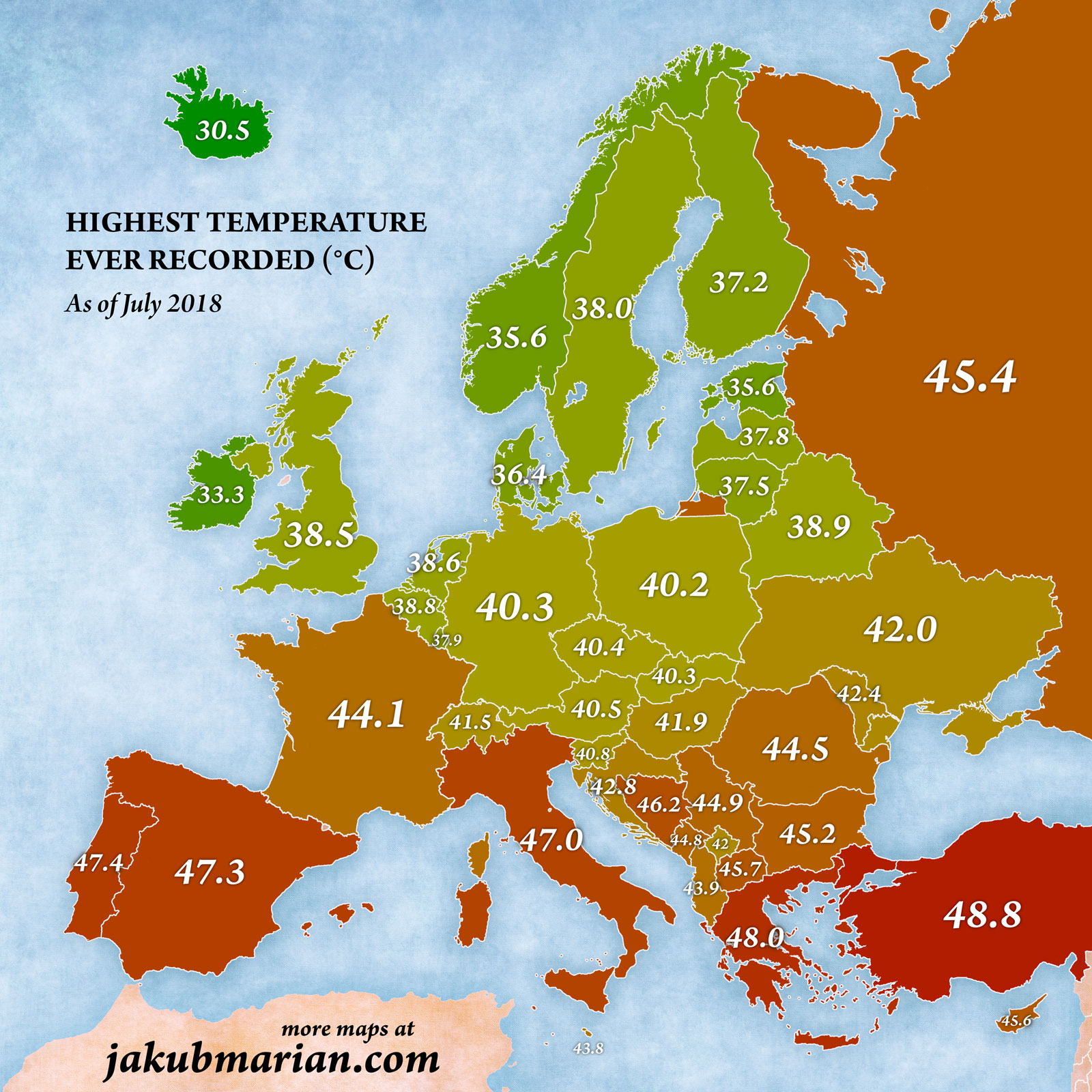
Map of Highest Recorded Temperatures Mountain Traps: It's a long, narrow basin surrounded by towering mountain ranges. These mountains trap hot air, preventing it from escaping and creating a "heat sink."
Dry Desert Air: With very little moisture in the air, there's nothing to absorb and distribute the heat, leading to more extreme surface temperatures.
Dark Rocks: The dark, barren landscape readily absorbs solar radiation, further heating the air above it.

Hyderabad sizzles with highest recorded temperature of the season
Imagine standing there, the sun beating down, the air shimmering, and feeling like you've accidentally stumbled into an industrial-strength pizza oven. That's Death Valley on a good day... or, well, a very bad hot day.
What Does 134°F Even Feel Like?
Trying to imagine 134°F is tough because most of us (thankfully!) will never experience it. But let's try some analogies: It’s hotter than the maximum temperature setting on many home ovens. It's akin to opening the door to a very hot sauna, but outside, with the sun relentlessly bearing down. The air would literally burn your skin and lungs if you weren't careful. It’s not just uncomfortable; it’s dangerous.
People who have visited Death Valley on "cooler" hot days (think 120°F) describe the sensation as being instantly dehydrated, with sweat evaporating before it even forms proper drops. It's a place where you're advised to carry gallons of water, and where simply walking for an hour can lead to serious heatstroke. Always respect the desert!

Beyond the Record: Practical Tips for Everyday Heat
While most of us won't be planning a picnic in Furnace Creek in July, extreme heat is becoming more common in many parts of the US. So, how do we stay cool and safe, even if it's "only" 95°F with brutal humidity? Here are a few lifestyle-friendly tips:
Hydrate, Hydrate, Hydrate: And we don't just mean a glass of water with your morning coffee. Sip water constantly throughout the day, even if you don't feel thirsty. Electrolyte drinks can be your best friend, especially if you're active.
Dress Smart: Think light colors and loose-fitting, breathable fabrics. Cotton and linen are your summer MVPs. Hats and sunglasses aren't just for style; they're essential protection.
Seek Shade & AC: Limit outdoor activities during the hottest parts of the day (usually 10 AM to 4 PM). If you're indoors, make friends with your air conditioner or a trusty fan. Public libraries, malls, and community centers can be great cooling centers if you don't have AC at home.
Cool Down Your Core: A cool shower, a damp cloth on your neck or wrists, or even a nice cold drink can help bring your core temperature down.
Check on Others: The very young, the elderly, and those with chronic health conditions are most vulnerable to heat. A quick call or visit to ensure they're staying cool can make a huge difference.
A Final Sizzling Thought
The record of 134°F in Death Valley is a powerful reminder of nature's extremes. It makes us appreciate our air-conditioned homes, our ice-cold beverages, and those glorious moments when a cool breeze finally sweeps through. So, the next time the mercury starts to climb, take a moment to reflect on that scorching record, stay cool, stay hydrated, and give a little nod of respect to the incredible, sometimes terrifying, power of the sun. Stay chill, friends!