What Is The Future Of Education
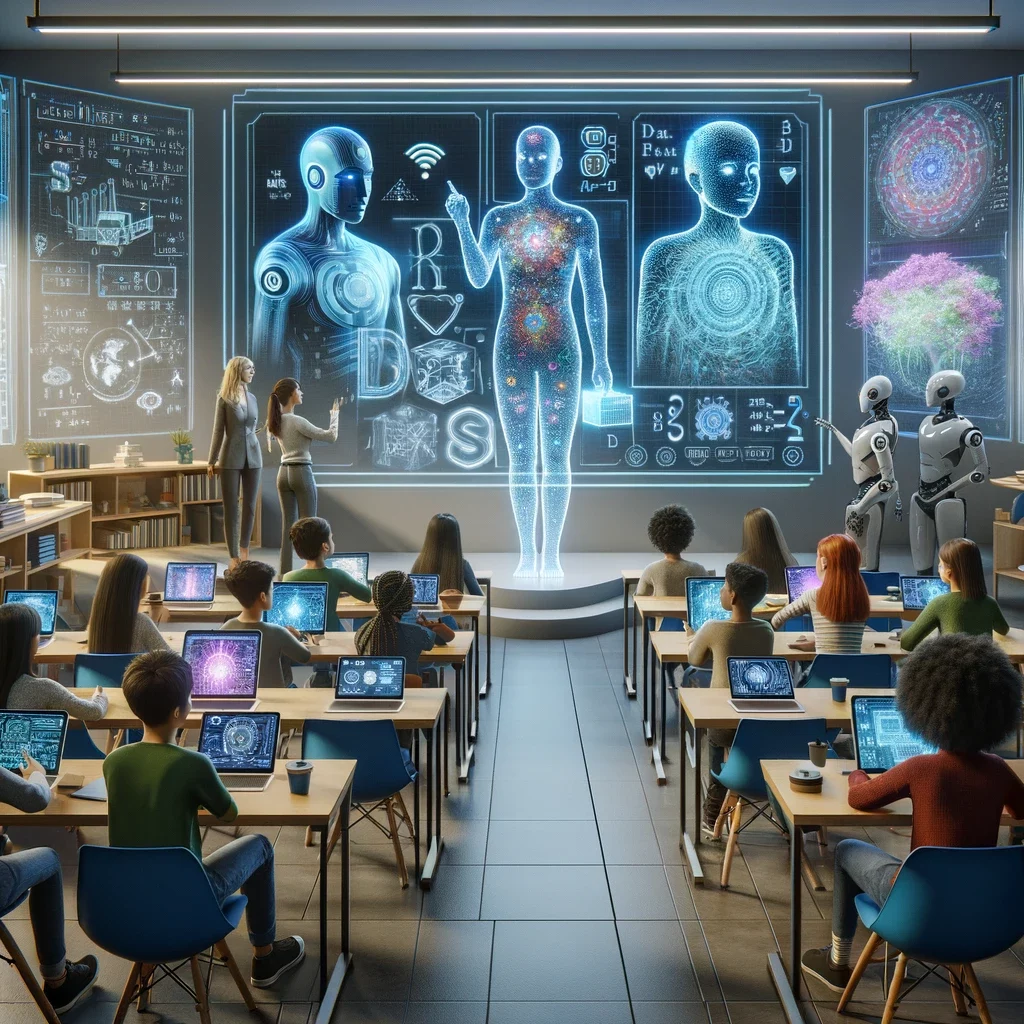
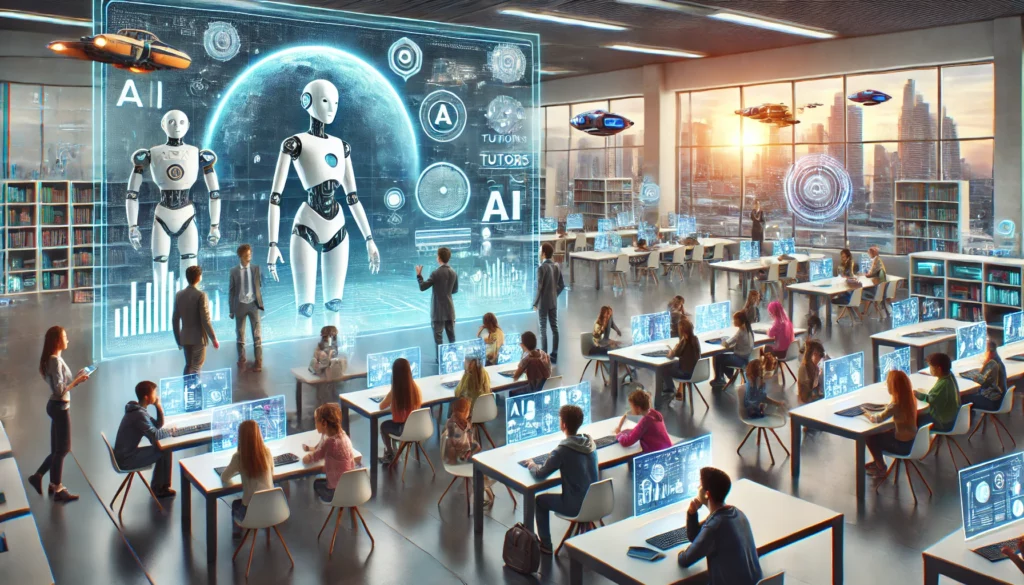
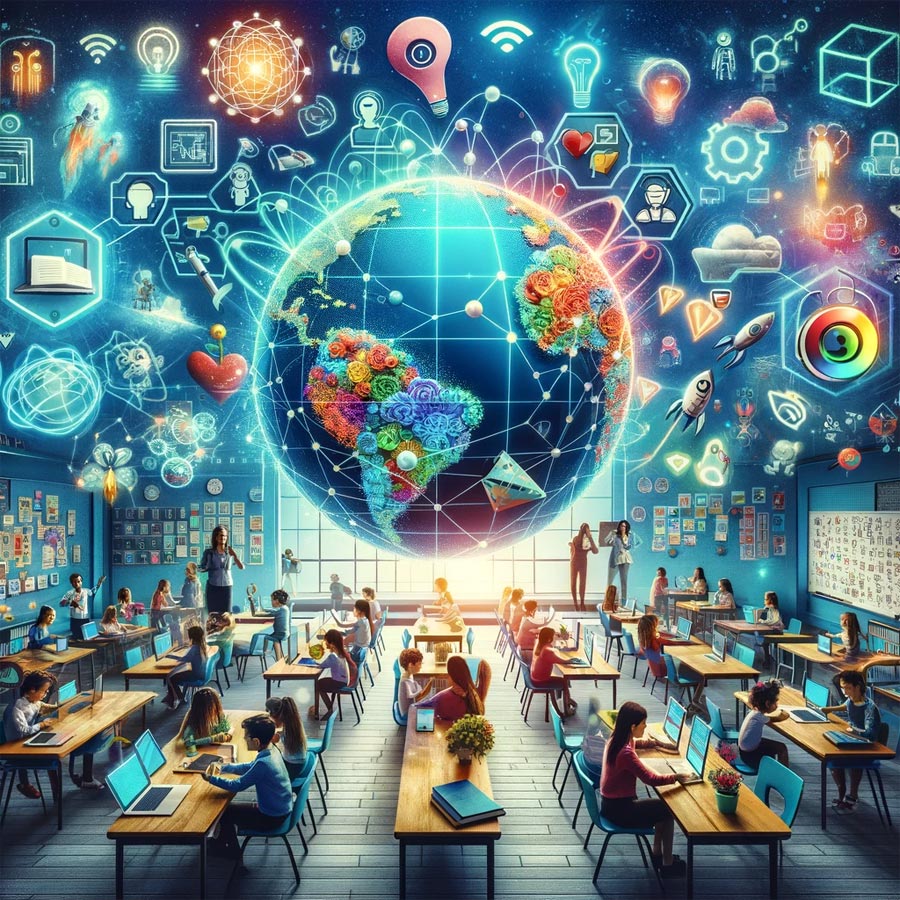
Ever wonder what school might look like for your kids, grandkids, or even yourself in the coming years? The future of education is a seriously fascinating topic, and not just for teachers and students! It affects all of us. Think about it: how we learn shapes our careers, our understanding of the world, and even how we solve everyday problems. Getting a glimpse of what's coming is like peeking into a crystal ball that shows us how we'll all be living and thriving in the future.
So, what's the big deal about the future of education anyway? Its core purpose is to make learning more effective, more accessible, and more relevant to the lives we actually lead. The benefits are enormous! Imagine a world where everyone has the skills they need to adapt to rapidly changing job markets, where learning is a lifelong adventure instead of a chore, and where education is personalized to meet each individual's unique needs and learning style. That's the promise of the future of education.
One key aspect is the rise of personalized learning. Forget the one-size-fits-all classroom! Imagine software that adapts to your pace, identifying your strengths and weaknesses to create a learning path that’s just right for you. We're already seeing examples of this with apps like Duolingo, which uses adaptive learning to teach languages. In classrooms, teachers are increasingly using data analytics to understand student progress and tailor their instruction accordingly. Think of it like having a personal tutor, but amplified by technology.
Must Read
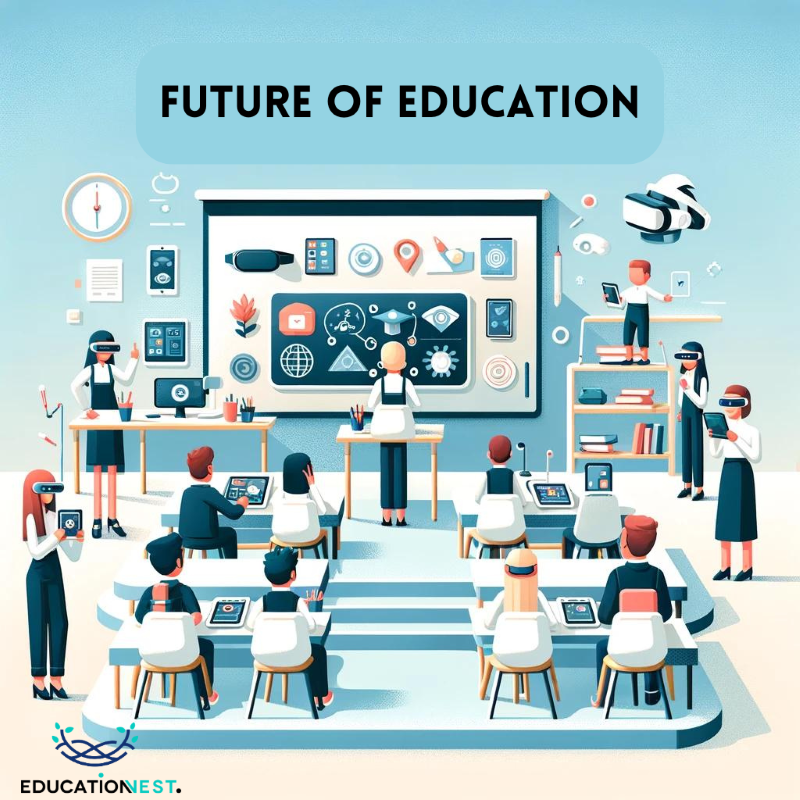
Another exciting development is the increasing use of virtual and augmented reality (VR/AR). History lessons could become immersive experiences where you walk through ancient Rome. Science classes could let you dissect a virtual frog without the mess (or ethical concerns!). Imagine learning about space by taking a virtual field trip to the moon. These technologies make learning more engaging and memorable, bridging the gap between abstract concepts and real-world understanding. VR training simulations are already common in fields like medicine and engineering, and they're making their way into K-12 education.
Gamification is also playing a bigger role. By incorporating game-like elements into learning, we can make education more motivating and fun. Think badges, leaderboards, and challenges that reward progress and encourage collaboration. Many educational websites and apps already use gamification to teach everything from math to coding.
How can you explore the future of education yourself? Start by researching online learning platforms like Coursera, edX, and Khan Academy. These platforms offer a wealth of free or low-cost courses on a wide range of subjects. Check out educational technology blogs and websites to stay up-to-date on the latest trends and innovations. Even something as simple as playing educational video games with your kids or grandkids can give you a taste of what the future holds. Finally, talk to educators! They are on the front lines of this revolution and can offer valuable insights into the challenges and opportunities they see. The future of education is not just about technology; it’s about creating a more equitable, engaging, and effective learning experience for everyone.