
What Is The Formula For Calculating Elasticity
Okay, so picture this: I’m at the farmer’s market, absolutely JONESING for some ripe, juicy strawberries. The vendor usually sells them for $5 a basket. But today? $7! My inner economist started screaming. Do I need these strawberries? How much less would I buy if they were cheaper? This, my friends, is the question of elasticity in action.
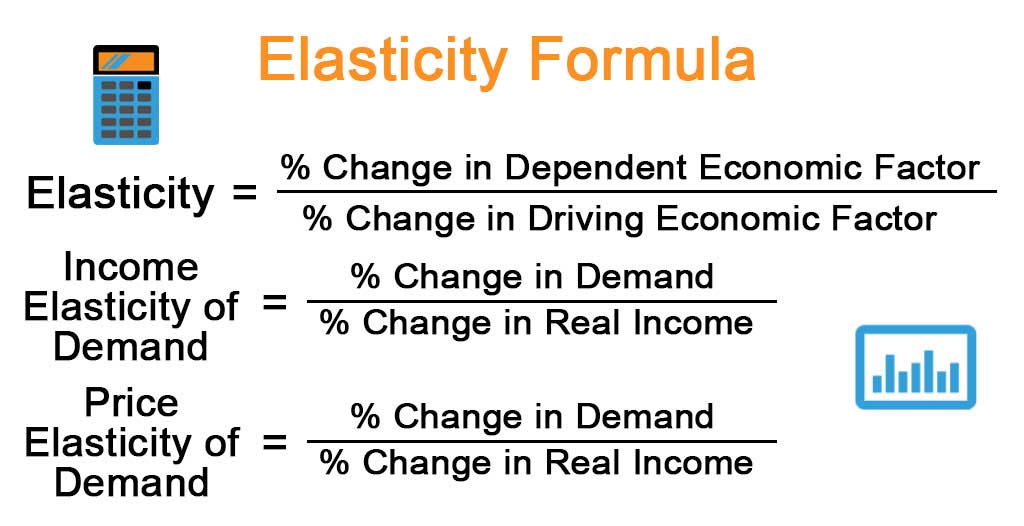
Basically, elasticity helps us understand how much the quantity demanded or supplied of something changes when its price (or other factors) changes. It's not just about strawberries, it's about everything. Think gas prices, concert tickets, even the demand for those limited-edition sneakers.
The Price Elasticity of Demand (PED) Formula: The Superstar
Let's get down to the nitty-gritty. The most common type is price elasticity of demand (PED). This tells us how much the quantity demanded changes when the price changes. And guess what? There's a formula for that!
Must Read
It looks like this:
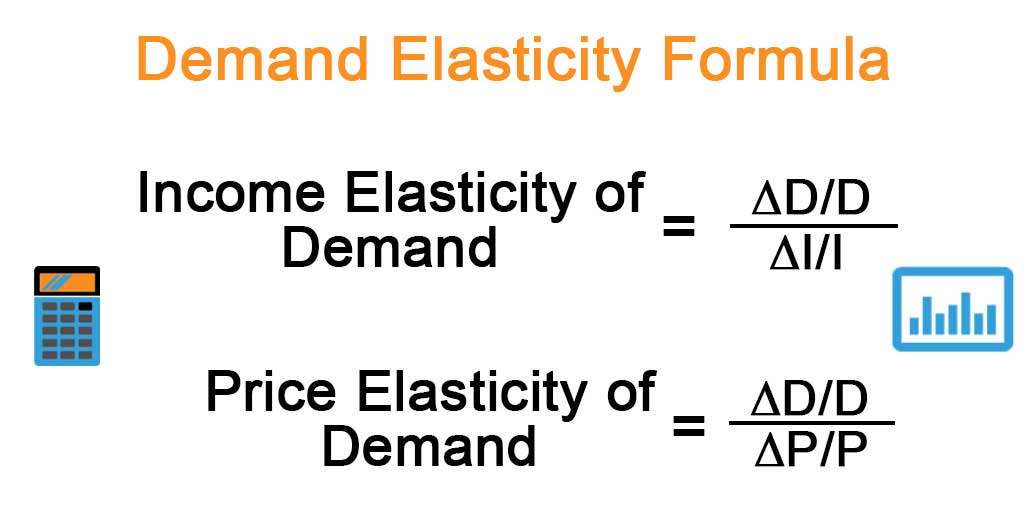
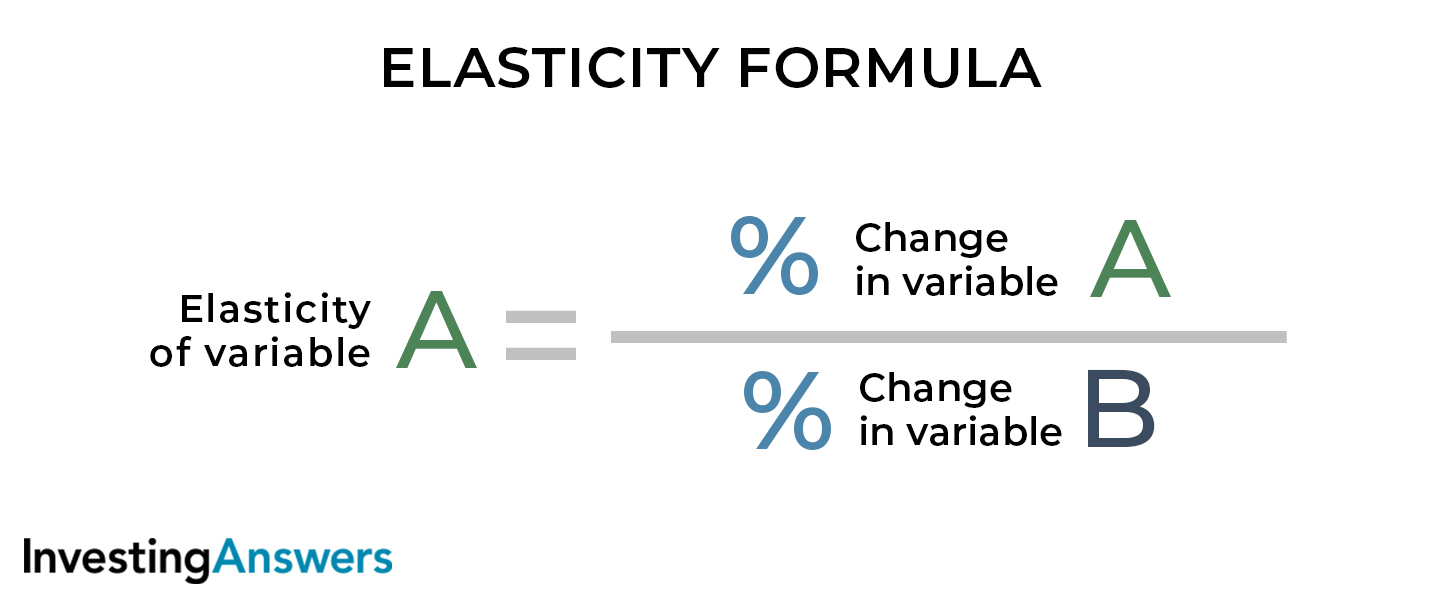
PED = (% Change in Quantity Demanded) / (% Change in Price)
Yep, that's it. Simple, right? (Don’t worry, we'll break it down.)
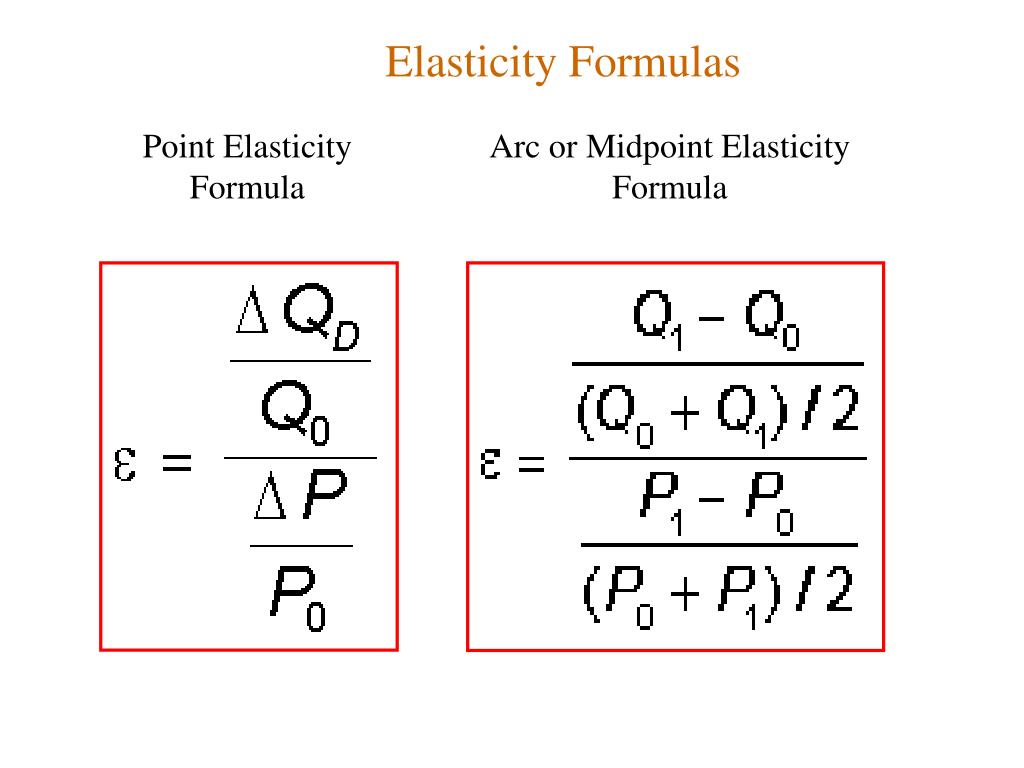
First, let's tackle the percentage change part. The formula for percentage change is:
% Change = [(New Value - Old Value) / Old Value] * 100
So, let's say the price of coffee increased from $3 to $4. The percentage change in price is:
[(4-3)/3] * 100 = 33.33%

See? Not so scary. (You got this!) Now, let's apply this to our main formula.
Example Time! Making Elasticity Real
Imagine the price of your favorite energy drink increases from $2 to $2.50. As a result, you buy 20% fewer energy drinks. What's the price elasticity of demand?
Let’s plug it into the formula:
PED = (-20%) / (25%) = -0.8
Notice the negative sign? PED is usually negative because, generally, as price goes up, demand goes down. (Though there are exceptions - fancy pants economists call those "Giffen goods").
Now, here's where it gets interesting. The absolute value of the PED tells us about the sensitivity of demand to price changes:
- |PED| > 1: Elastic Demand (Quantity demanded changes more than the price change. You're sensitive!)
- |PED| < 1: Inelastic Demand (Quantity demanded changes less than the price change. You're not very sensitive!)
- |PED| = 1: Unit Elastic Demand (Quantity demanded changes at the same rate as the price change.)
In our energy drink example, |PED| = 0.8, which is less than 1. This means the demand for your energy drink is inelastic. You still kinda need that caffeine boost, even if it costs a bit more!
Beyond Price: Other Elasticities
Price elasticity of demand is the rockstar, but there are other elasticity formulas too!
- Income Elasticity of Demand: How much quantity demanded changes when income changes. (Useful for understanding if something is a necessity vs. a luxury.)
- Cross-Price Elasticity of Demand: How much the quantity demanded of one good changes when the price of another good changes. (Think: if the price of coffee goes up, how much more tea do people buy?)
- Price Elasticity of Supply: How much the quantity supplied changes when the price changes. (Important for understanding how responsive producers are to price fluctuations.)
These all follow a similar formula: (% Change in Quantity) / (% Change in Factor in question)
Why Should You Care? (Besides the Strawberry Dilemma)
Elasticity isn't just some dry economic concept. It's super useful for businesses. Knowing the elasticity of your product can help you:
- Set prices that maximize revenue.
- Predict how sales will be affected by changes in price, income, or competitor pricing.
- Make better marketing decisions.
So, the next time you’re agonizing over a price increase, remember the elasticity formula. It might just give you the insights you need to make the right decision. And maybe, just maybe, it will help you justify that extra dollar for those perfect farmer’s market strawberries. You deserve them!