
What Is The Expiration Date For Car Seats
Alright, so picture this: You’re elbow-deep in a box of baby gear, maybe it’s a hand-me-down from a super generous friend, or perhaps you’re doing a declutter deep-dive in your own garage. You pull out a perfectly good-looking car seat – maybe a bit dusty, but otherwise, seems perfectly fine. You know, the kind of sturdy contraption that looks like it could survive an apocalypse? You think, "Great! One less thing to buy, or, 'Wow, we really got our money's worth out of this thing!'"
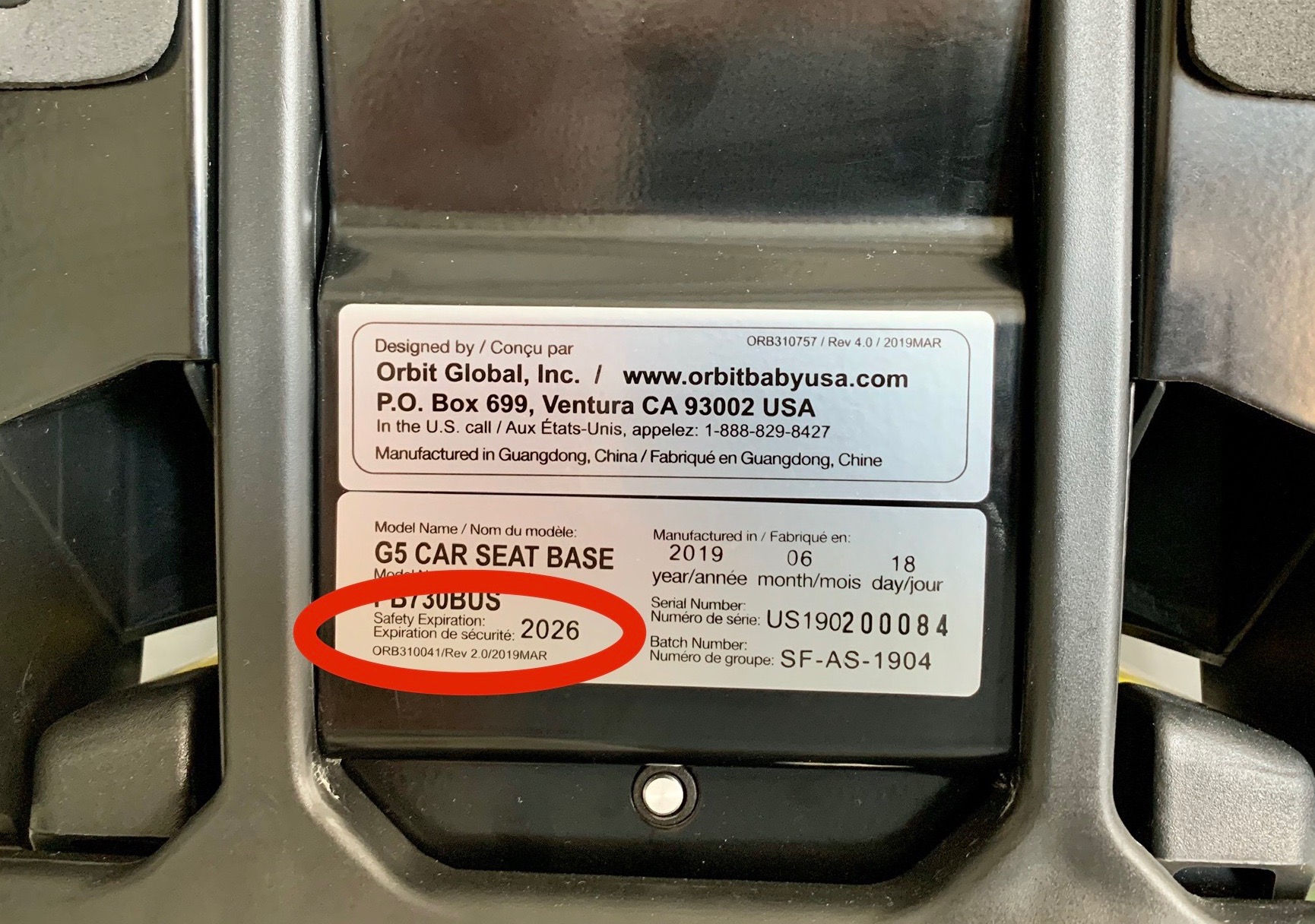
And then, just as you’re about to congratulate yourself on your resourcefulness (or impeccable storage skills), your eyes land on a small, unassuming sticker. And on that sticker, amongst a jumble of serial numbers and manufacturing details, you see it. A date. And it's not the manufacturing date you're looking at, oh no. It's a date that’s before today. A date that, much like that yogurt in the back of your fridge, quietly screams: "I AM EXPIRED!"
Your brain probably does a little record scratch. "Expired? A car seat? Is this a joke? It's plastic and metal! It doesn't have milk in it!" And trust me, you are not alone in that immediate bewilderment. Many, many parents (and soon-to-be-parents) have this exact same head-scratching moment. It sounds utterly bizarre, doesn't it?
Must Read
So, What's the Deal with Car Seat Expiration Dates?
Okay, let's peel back the layers of this particular parenting onion. The short, unequivocal answer is: Yes, car seats absolutely have an expiration date. And it’s not just a suggestion, my friend, it's a pretty serious safety measure. Typically, these dates range from 6 to 10 years from the date of manufacture, depending on the brand and model.
But why? Why can't we just use a perfectly good-looking, structurally sound (or so it seems) car seat forever? Are they trying to make us buy more stuff? (A legitimate question, given the sheer amount of baby gear out there, right?)
The "Why" Behind the "When": More Than Just a Number
It boils down to a few critical factors that are all about keeping your tiny human as safe as humanly possible.
First up, material degradation. Car seats are made from various materials: plastics, metals, foam, fabrics, and even those super strong harness straps. Over time, and with constant exposure to things like extreme temperatures (hello, scorching summer car interiors and freezing winter mornings!), UV rays from sunlight streaming through windows, and even just repeated use, these materials begin to break down. Plastic can become brittle and less able to withstand impact forces. Foam padding can compress and lose its shock-absorbing capabilities. Fabrics can fray, and those crucial harness straps can weaken.
Think about it: Your car seat isn't just a fancy chair. It's a sophisticated piece of safety equipment designed to perform optimally in a collision. If its components are compromised, its ability to protect your child is compromised too. And that's a risk no parent wants to take.
Then there's the ever-evolving world of safety standards and technology. Car safety, thankfully, is not a stagnant field. Engineers and safety experts are constantly researching, testing, and discovering better ways to protect occupants – especially the smallest ones. What was considered cutting-edge safety ten years ago might be outdated by today's rigorous standards. New testing methods, new crash scenarios, and improved designs mean that newer seats are often designed to a higher safety threshold. Manufacturers issue recalls, too, and it's much harder to track and contact owners of seats that are many, many years old.
Finally, there's the simple fact of wear and tear. Buckles get sticky, adjusters get fiddly, and parts can simply get lost or broken over years of daily ins and outs, spills, and general toddler mayhem. While some parts might be replaceable, the structural integrity of the main frame is not.
Okay, So Where Do I Find This Mysterious Date?
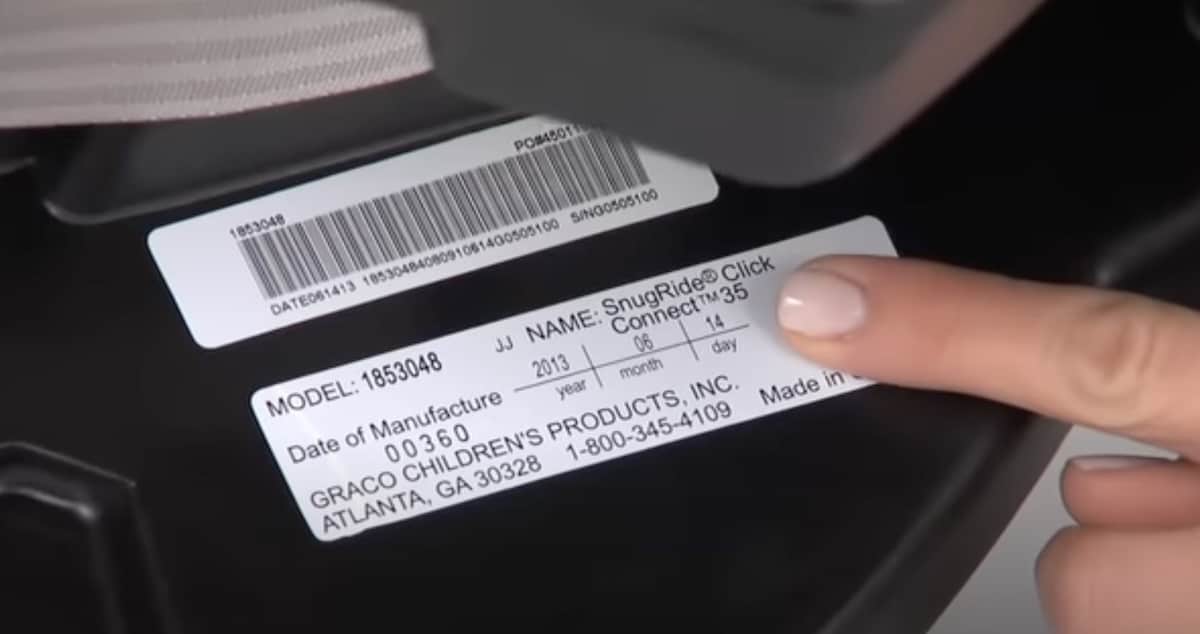
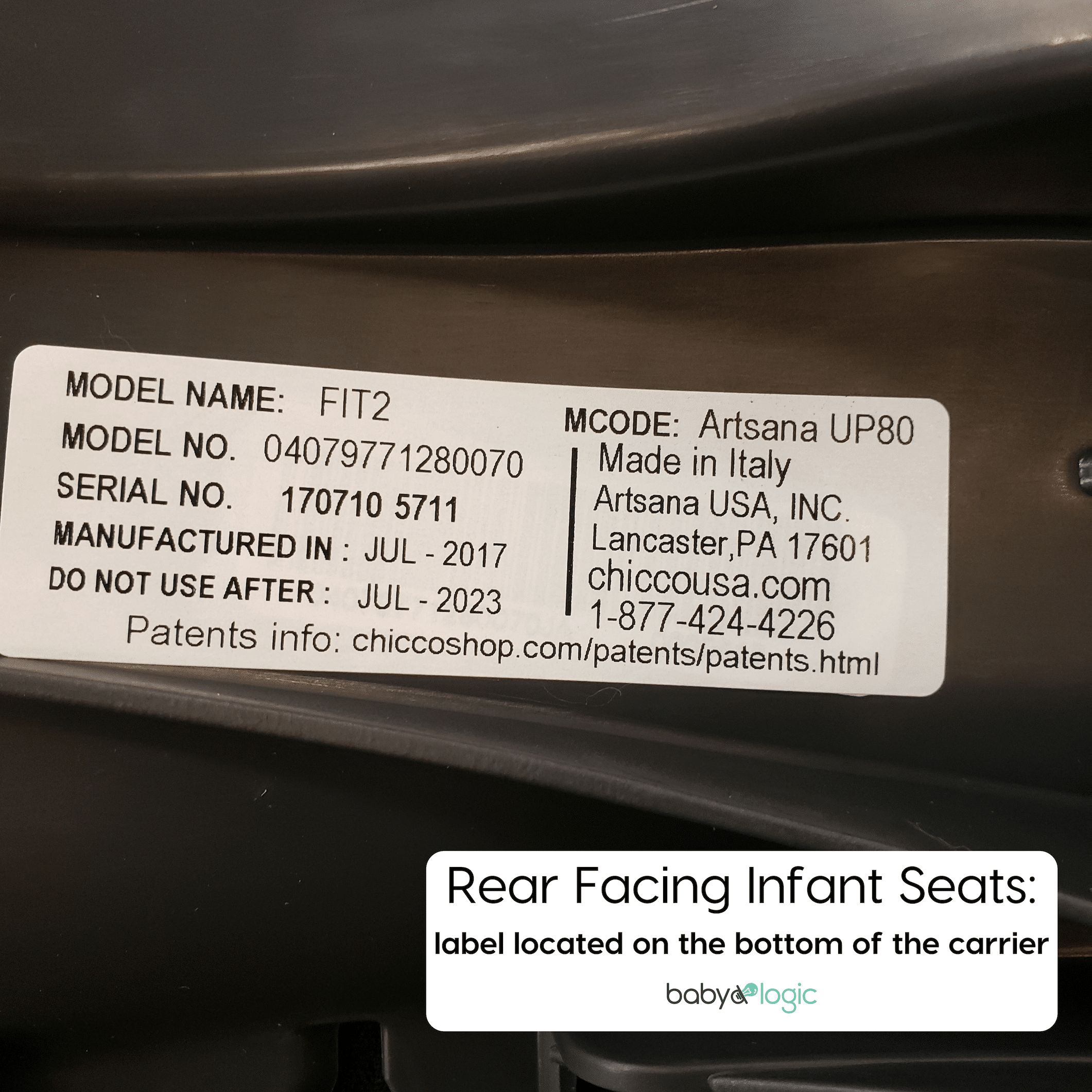
Good question! This is the most important part. Don't panic, you won't need a decoder ring. Most car seat manufacturers are pretty good about making this information accessible. You'll usually find a sticker with the manufacturing date (DOM - Date of Manufacture) and/or the expiration date. It's often on the bottom or the back of the car seat. Sometimes it's on the side. You might have to do a little bit of searching, maybe even get down on your hands and knees with a flashlight, but it's there. Trust me.
Look for terms like "Do Not Use After," "Expires," or a specific date. If it only lists a "Date of Manufacture," you'll usually find the lifespan (e.g., "6 years from DOM") printed somewhere else in the instruction manual or on the sticker itself. Always check the manual if you're unsure! It's your best friend for car seat questions.

My Car Seat is Expired! Now What?
First, take a deep breath. You’re doing the right thing by checking! Second, and this is crucial: Do NOT give away or sell an expired car seat. Seriously, don't do it. You could inadvertently put another child at risk. It's not worth it.
So, what should you do? The best course of action is to safely dispose of it. Many cities or local recycling centers have specific programs for car seat recycling – they'll often disassemble them and recycle the different components. Sometimes big box stores (like Target or Buy Buy Baby, depending on the season) will have car seat trade-in events where you can bring an old seat (even an expired one!) for a discount on a new one. If those aren't options, you should cut the straps, mark the seat clearly with "EXPIRED" or "DO NOT USE," and dispose of it in a way that prevents anyone from picking it up and using it. This might sound extreme, but it's about preventing potential misuse.
The Takeaway: Safety First (Always!)
It might seem like just another thing to worry about on the endless list of parenting responsibilities, but checking that expiration date is a quick, easy, and absolutely vital step in ensuring your little one is as safe as possible on every single journey. So next time you're about to load your precious cargo into their seat, take a moment. Flip it over. Give that sticker a glance. Because when it comes to car seat safety, knowing the date truly matters. Your child's safety is worth every second of that investigation!