What Is The Efficiency Of Solar Power
Have you ever looked up at a rooftop covered in those sleek, dark panels and wondered, "How much oomph are they actually getting from all that sunshine?" You're not alone! Solar power is an absolute marvel, turning our planet's most abundant energy source into clean electricity. It's a topic that's not just popular but genuinely exciting because it touches on everything from your electricity bill to the health of our planet. Understanding solar efficiency is key to appreciating this incredible technology and seeing just how far it's come.
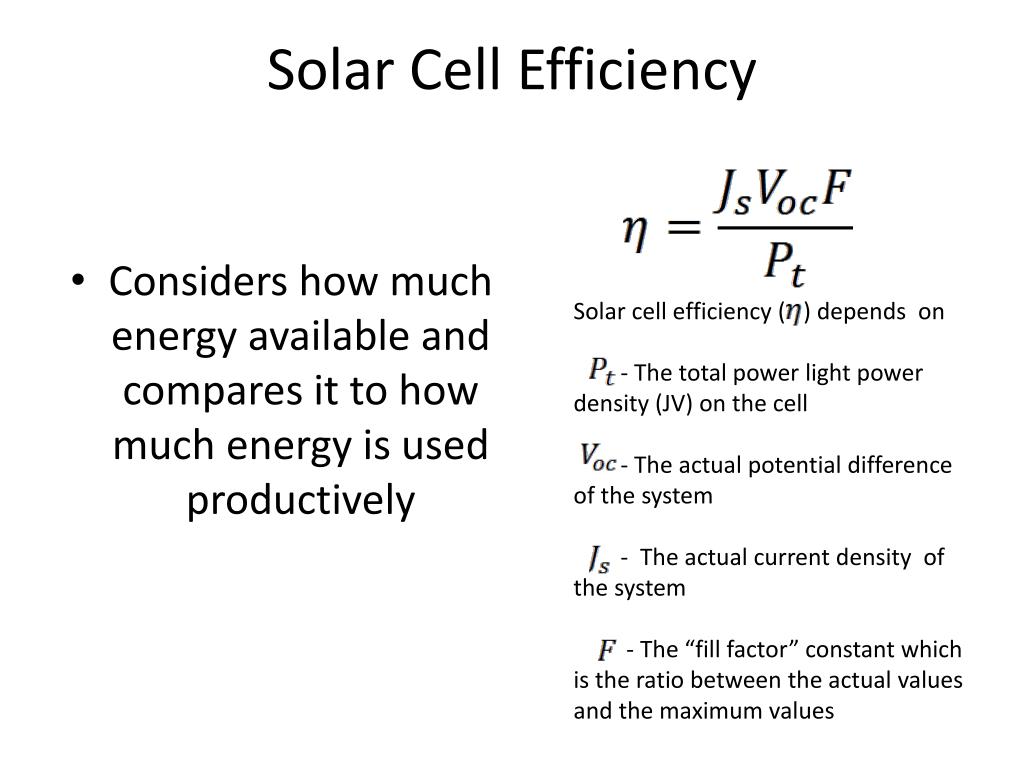
So, what exactly is "solar efficiency"? Simply put, it's a measure of how much of the sunlight hitting a solar panel is converted into usable electricity. Imagine the sun showering your roof with energy; efficiency tells you what percentage of that shower your panels successfully catch and turn into power. A higher efficiency means your panels are better at this conversion trick. The main purpose of improving efficiency is to generate more power from a smaller area, making solar viable for more homes and businesses, especially those with limited roof space, and ultimately helping us shift towards a sustainable energy future faster.
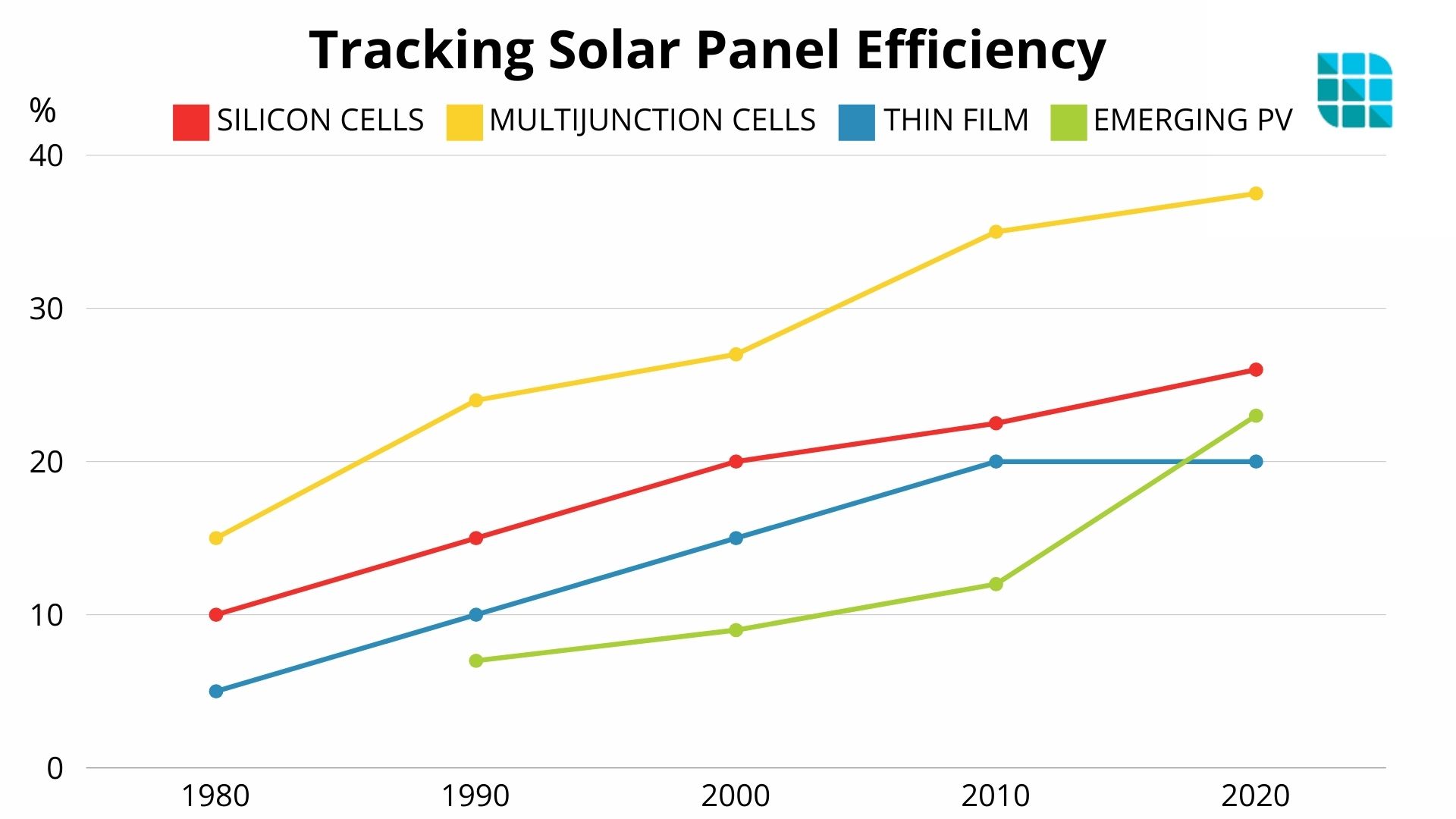
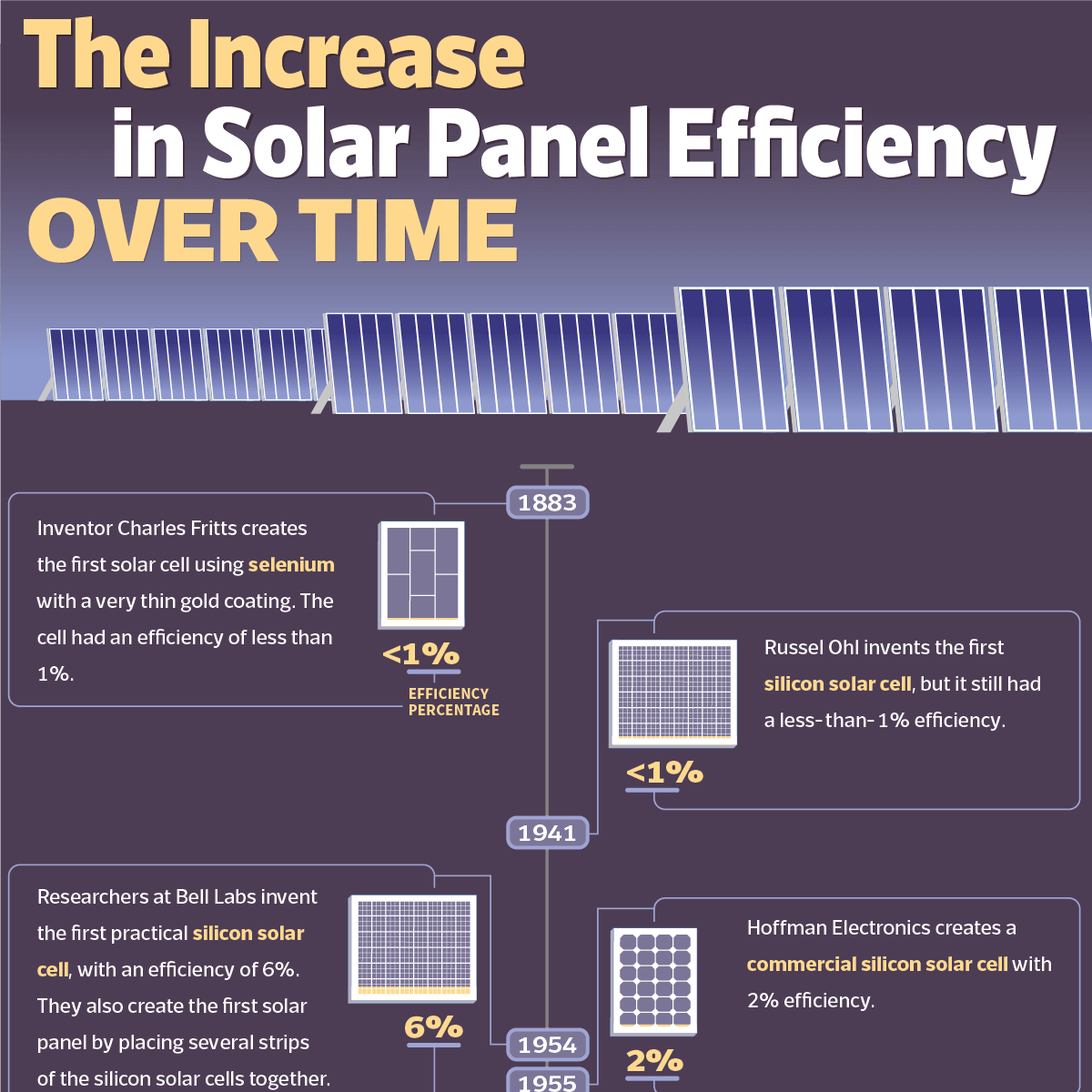
Now for the numbers! For the solar panels you'd typically see on a home today, efficiency usually hovers between 15% and 22%. That might not sound like 100%, but it's a significant amount of power when you consider the sheer volume of sunlight hitting your roof every day! For comparison, cutting-edge laboratory cells have achieved efficiencies well over 40%, even pushing past 47% in some multi-junction prototypes. It's important to remember these lab records often use very specialized conditions and materials that aren't yet practical or cost-effective for everyday use, but they show us the incredible potential of solar technology.
Must Read
Why isn't it 100%? Well, the universe has its rules! Solar panels aren't perfect light catchers for a few reasons. Firstly, not all wavelengths of light from the sun can be converted into electricity; some simply pass through or don't have the right energy. Secondly, some light is reflected away from the panel's surface. Thirdly, some of the absorbed light energy is lost as heat instead of being converted into electricity. It's a complex dance of physics, but scientists and engineers are constantly finding innovative ways to minimize these losses and coax more electrons out of every photon.

Several factors can influence a panel's real-world efficiency. The type of solar cell used is a major one, with different materials and designs yielding varying results. Temperature also plays a role; surprisingly, extremely hot panels tend to be slightly less efficient than cooler ones. Things like dust, dirt, or shade from trees can also temporarily reduce efficiency by blocking sunlight. Even the angle at which your panels are installed matters, optimizing how directly they face the sun throughout the day. However, modern systems are incredibly robust and designed to perform well even with these variables in mind.
The continuous drive for higher efficiency brings significant benefits. More efficient panels mean you can generate more electricity from the same roof area, which is fantastic for smaller homes or those with limited sun exposure. It can also lead to a quicker return on investment (ROI) because you're generating more power, potentially reducing your energy bills even faster. As efficiency climbs and costs drop, solar power becomes an even more attractive and accessible option for everyone, driving global energy independence and a greener planet. The future of solar is looking incredibly bright, literally!