
What Is The Downside Of Geothermal Home Heating
So, you're thinking about geothermal heating, huh? Picture this: Mother Nature's own central air, whispering sweet nothings of cozy warmth in winter and chill breezes in summer. Sounds idyllic, right? But hold your horses – even the earth's natural thermostat has its quirks.
The Initial Ouch: Wallet Shock
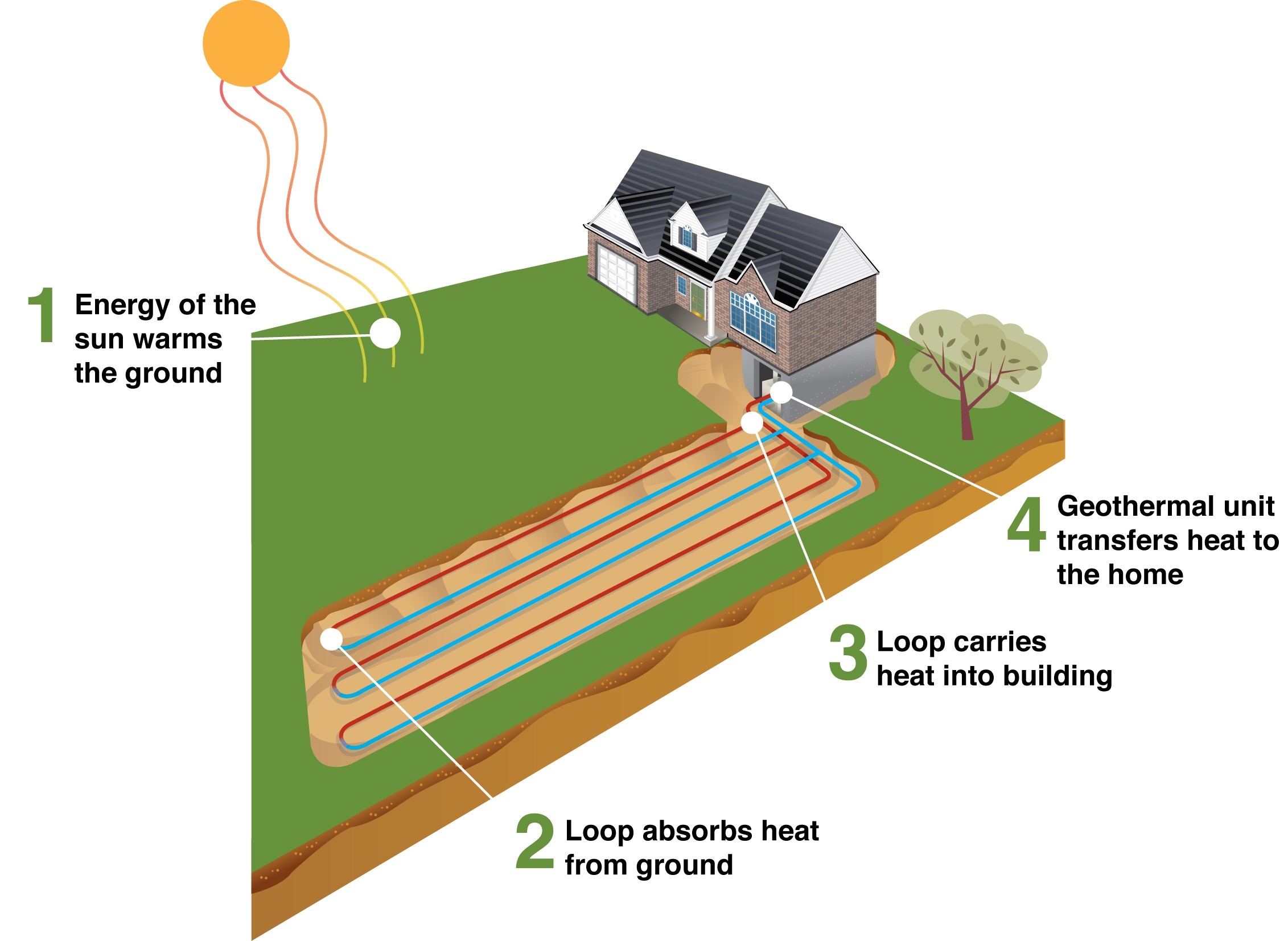
Let's be honest. The biggest hurdle isn't battling mythical earth gnomes. It's the initial investment. Think of it like this: you're not just buying a furnace; you're essentially hiring an earth-moving crew to install a giant, subterranean radiator.
We're talking excavation, digging trenches, and snaking pipes deep into the ground. Prepare for a price tag that might make your eyebrows shoot straight up to your hairline. It's like buying a really nice car, but instead of driving it, you bury it in your backyard. It better be worth it!
Must Read
The Landscaping Lament
Imagine your perfectly manicured lawn. The envy of the neighborhood. Now picture a backhoe tearing through it like a monster truck rally. Installing geothermal can be...disruptive.
Expect temporary chaos. Piles of dirt, disturbed flowerbeds, and maybe a slightly traumatized gnome statue. Just think of it as a forced landscape makeover, courtesy of Mother Earth (and your bank account).
You might want to invest in a good landscaping company after the installation. Unless you enjoy playing in the mud.
The Space Race: Room for Geothermal
Geothermal systems aren't exactly space-savers. The indoor unit, while not enormous, isn't exactly pocket-sized either.
If you're living in a tiny house or a crammed apartment, fitting a geothermal system might feel like squeezing an elephant into a teacup. Suddenly, that extra closet is now the heart of your home. Good bye closet, hello eco-friendly heating!

The Soil Saga: Location, Location, Location!
Not all land is created equal. Some soil types are better suited for geothermal systems than others. Rocky soil, for example, can be a real pain to excavate and can affect the system's efficiency.
It's like trying to bake a cake with cement instead of flour. It's just not going to work. Your local geology might dictate the type of geothermal system you can install, potentially adding to the cost and complexity. Get that soil tested!
The Long Game: Maintenance Matters
Geothermal systems are generally low-maintenance, but not maintenance-free. Think of it like a trusty old car. You still need to change the oil and check the tires, even if it's built to last.
Regular inspections are crucial to ensure everything is running smoothly. Neglecting maintenance can lead to decreased efficiency and, eventually, costly repairs. An ounce of prevention is worth a pound of cure, especially when you're dealing with the earth's natural energy.
Just like any complex system, problems can crop up. Don't be surprised if you need a specialized technician who understands the nuances of geothermal systems. They're not your average HVAC guy; they're geothermal whisperers!
The "What If?" Worry: Rare but Real
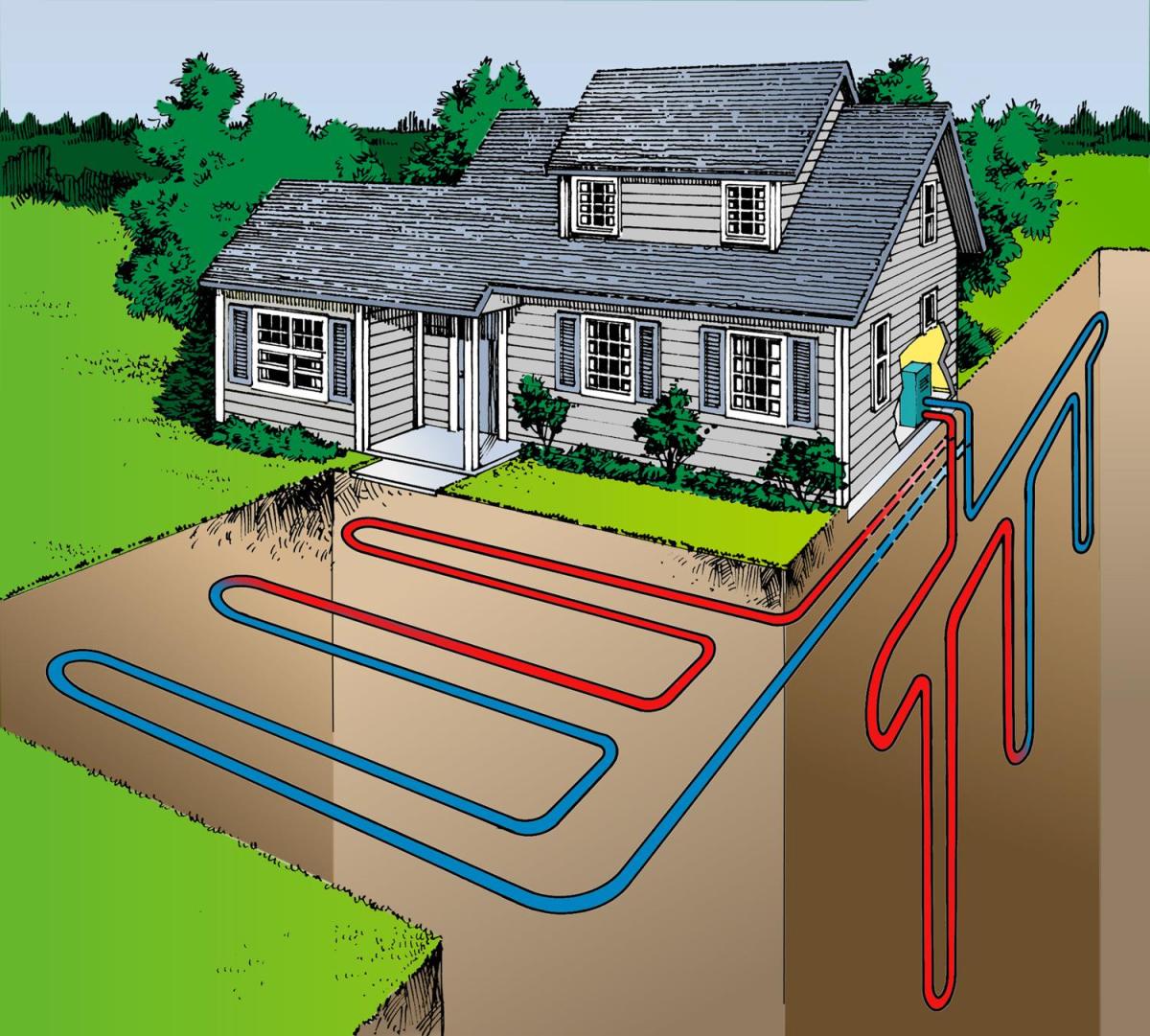
Let's address the elephant in the room: leaks. It's rare, but leaks in the underground loop can happen. Imagine antifreeze seeping into your backyard. Yikes!
While modern systems use environmentally friendly fluids, the thought of a leak is still unsettling. A well-installed and maintained system significantly reduces the risk, but it's a "what if?" scenario you should be aware of. Always check your system regularly!
The Fine Print: Permits and Regulations
Before you start digging, you'll need to navigate the wonderful world of permits and regulations. Every locality has its own rules regarding geothermal installations.
It's like trying to assemble IKEA furniture without the instructions. Confusing and potentially frustrating. Make sure you do your homework and get all the necessary approvals before you start tearing up your yard.
Navigating local codes can be a bureaucratic maze. Be prepared for paperwork, inspections, and possibly even some grumpy officials. Compliance is key!
The Efficiency Enigma: Not Always Perfect
Geothermal systems are incredibly efficient, but their performance can vary depending on factors like soil type, climate, and system design. If your system isn't properly sized or installed, you might not see the energy savings you were expecting.

It's like buying a fuel-efficient car and then driving it like you're in a NASCAR race. You're not going to get the advertised mileage. Proper planning and expert installation are crucial to maximizing your geothermal system's efficiency.
The Noise Nuisance: A Gentle Hum
While geothermal systems are generally quieter than traditional HVAC systems, they're not completely silent. The indoor unit does produce some noise, similar to a refrigerator or a low hum.
If you're particularly sensitive to noise, you might want to consider the unit's placement to minimize any disturbance. It's not a deal-breaker for most people, but it's something to keep in mind, especially if you're planning to install it near a bedroom or living area.
The "Closed Loop" Conundrum: A Bit of Chemistry
Most residential geothermal systems use a "closed loop" system, which means the same fluid circulates continuously through the underground pipes. This fluid typically contains antifreeze to prevent freezing during the winter.
While the antifreeze is usually non-toxic, it's still a chemical that's being circulated beneath your property. Proper installation and maintenance are essential to prevent any leaks and ensure the safety of your system.

The Dependence Dilemma: Grid Reliance
Geothermal systems require electricity to operate the pump and fan. So, if the power goes out, your heating or cooling system goes out too. Unlike some systems, it is not completely independent.
Investing in a backup generator can provide peace of mind in case of a power outage. It is the same as if you have a regular heating/cooling system in place.
Think about your power situation before going all-in. A back-up generator is always an option, but the cost can add up.
The Final Verdict: Weighing the Pros and Cons
Geothermal heating is a fantastic, eco-friendly way to heat and cool your home. It offers long-term savings and a smaller carbon footprint. It's like giving your house a green hug.
But it's not without its drawbacks. The initial cost, potential landscaping disruption, and the need for proper maintenance are all factors to consider.
Do your research, get multiple quotes, and weigh the pros and cons carefully before making a decision. And remember, even if your lawn looks like a lunar landscape during installation, the long-term benefits of geothermal heating can be truly out of this world. After all, a happy earth makes a happy home!