
What Is The Difference Between Oil And Petroleum
Ever filled up your car and thought, "Am I pumping oil or petroleum in here?" You're not alone! Many people use these terms interchangeably, like calling all fizzy drinks "Coke." But there's a subtle, hilarious, and surprisingly interesting difference.
It Starts in the Deep, Dark Past
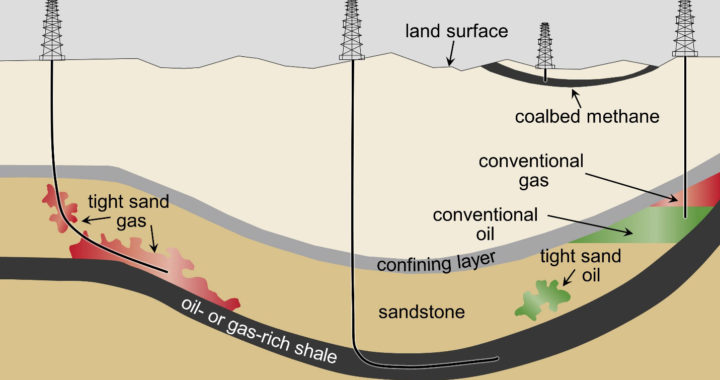
Imagine a primordial soup, teeming with microscopic plants and animals. These little guys lived, died, and sank to the bottom of ancient oceans and lakes millions of years ago. Over time, layers of sediment buried them, squeezing them under immense pressure.
Think of it like making lasagna, but instead of noodles and cheese, it's ancient goo and rock. And instead of an oven, it's the Earth's internal heat doing the cooking. This slow-cooked, high-pressure process is how we get crude oil.
Must Read
So, What's Crude Oil?
Crude oil, or just "oil," is a thick, black, gooey substance straight from the Earth. It's like unrefined honey from a prehistoric bee. It’s a mixture of different hydrocarbons, a cocktail of carbon and hydrogen atoms all tangled together.
Depending on where it's found, crude oil can be light and runny or thick and tar-like. Some even smells sweet! (Don't try tasting it, though. Trust us on this one.)
Enter Petroleum: The Refined Rockstar
This is where petroleum comes into the picture. Petroleum is essentially what happens to crude oil after it graduates from charm school. It's crude oil all dressed up and ready for its close-up.
Think of crude oil as the raw ingredients for a delicious cake. Petroleum is the finished cake, complete with frosting and sprinkles.
To transform crude oil into petroleum, we need a process called refining. Refining is like a separating machine that sorts out all the different hydrocarbons based on their boiling points.
The Refining Magic Trick
Imagine a giant, super-heated science lab. That’s kind of what an oil refinery looks like. Inside, crude oil is heated until it turns into a vapor.
This vapor then rises through a distillation column, which is like a multi-story apartment building for molecules. As the vapor cools, different hydrocarbons condense at different levels. The heavier ones condense at the bottom, the lighter ones at the top.
This separation process yields a variety of useful products, all under the umbrella term “petroleum.”
Petroleum: The Multitasker
Petroleum isn't just gasoline for your car. It's a whole family of products that power our modern world. Think of petroleum as the Swiss Army knife of energy sources.
From jet fuel that sends planes soaring to the asphalt that paves our roads, petroleum is everywhere. Even the plastic in your phone, the clothes you wear, and the cosmetics you use likely have petroleum-derived ingredients.
It's even in some of the fertilizers that help grow our food. Petroleum is truly a jack-of-all-trades!
A Simple Analogy
Here’s an easy way to remember the difference: Oil is like milk fresh from the cow. Petroleum is all the things we make from that milk: butter, cheese, yogurt, ice cream.
Crude oil is the raw, unprocessed stuff. Petroleum is the refined, usable products we get from it.
The Environmental Elephant in the Room
Okay, let's address the elephant in the room. Extracting and using both crude oil and petroleum products have significant environmental impacts. This is no secret, and it's something we need to be aware of.
From oil spills that devastate ecosystems to greenhouse gas emissions that contribute to climate change, the fossil fuel industry faces serious challenges.
However, there's also a lot of innovation happening in the energy sector. Scientists and engineers are working on cleaner ways to extract oil, develop alternative fuels, and reduce our reliance on fossil fuels altogether. It is a global priority to find a sustainable path forward.
The Future of Oil and Petroleum
What does the future hold for oil and petroleum? That's a complex question with no easy answers. One thing is clear: the world is changing.
Renewable energy sources like solar and wind are becoming increasingly competitive. Electric vehicles are gaining popularity. And societies are increasingly demanding cleaner and more sustainable energy solutions.
While oil and petroleum will likely remain important energy sources for the foreseeable future, their role will likely evolve as we transition to a lower-carbon economy.
Beyond the Fuel: Surprising Uses
Did you know that petroleum products are used in the production of aspirin and other medicines? They're also in the inks used to print books and newspapers.
Even some of the fabrics we wear, like polyester and nylon, are made from petroleum-based chemicals. It's amazing how many everyday items rely on this resource.
Petroleum also plays a role in creating lubricants, which are essential for keeping machines running smoothly. From car engines to industrial equipment, lubricants help to reduce friction and prevent wear and tear.

A Love-Hate Relationship
Our relationship with oil and petroleum is complicated. We rely on these resources to power our lives, but we're also aware of their environmental consequences.
It's a delicate balancing act, trying to meet our energy needs while minimizing our impact on the planet.
As we move forward, it's important to make informed choices about our energy consumption and support the development of cleaner, more sustainable alternatives.
Oil and Petroleum: Not Quite the Same
So, the next time you're at the gas station, remember the difference between oil and petroleum. Crude oil is the raw material, straight from the Earth. Petroleum is the refined product, ready to power our world.
They're not exactly the same thing, but they're definitely related. Think of them as family members, working together to keep things running.
And remember, behind every gallon of gas, there's a fascinating story of ancient goo, intense pressure, and a whole lot of engineering.
From Goo to Gas: A Modern Marvel
It's easy to take oil and petroleum for granted. But when you think about the journey from ancient seabed to the fuel in your car, it's truly remarkable.
The processes involved in extracting, refining, and distributing these resources are complex and sophisticated.
It's a testament to human ingenuity and our ability to harness the Earth's resources to meet our needs. It's a love story, a tragedy, and a comedy all rolled into one, wouldn't you agree?
A Few Fun Facts
Did you know that some types of crude oil are so light and volatile that they can evaporate almost instantly? These are called "condensates" and are highly prized for their use in petrochemical production.
On the other hand, some crude oils are so heavy and thick that they have to be heated before they can be transported. These are often found in oil sands deposits.
The price of oil and petroleum products can fluctuate wildly depending on a variety of factors, including global events, political instability, and supply and demand. It's a volatile market!
The End (For Now!)
Hopefully, this has clarified the difference between oil and petroleum. It's not just semantics; it's about understanding the journey from raw material to finished product.
So, go forth and impress your friends with your newfound knowledge! You'll be the life of the party (or at least the most informed person at the dinner table).
And remember, even the most mundane things can be fascinating if you dig a little deeper. Who knew the story of oil and petroleum could be so engaging?