
What Is The Difference Between Inulin And Fos

Okay, let's talk about gut health! Everyone's doing it. And with all the buzz, you've probably heard of inulin and FOS. But are they the same thing? Are they rivals in the fiber world? Let's dive in.
Inulin: The OG Prebiotic
Think of inulin as the wise, slightly eccentric elder statesman of prebiotics. It's been around the block a few times. You find it naturally in foods like onions, garlic, and asparagus. Basically, the stuff that makes your breath interesting.
Inulin is a type of soluble fiber. That means it dissolves in water. When it gets to your gut, your friendly bacteria throw a party. They gobble it up and produce lovely byproducts. These byproducts, like short-chain fatty acids, are super good for you. They keep your gut lining happy and healthy.
Must Read
So, inulin is basically food for your gut bugs. It helps them thrive, so you can thrive too.
FOS: The Upstart Cousin
Now, enter FOS. That stands for fructooligosaccharides. Try saying that five times fast! FOS is closely related to inulin. Think of them as cousins who look alike but have slightly different personalities.
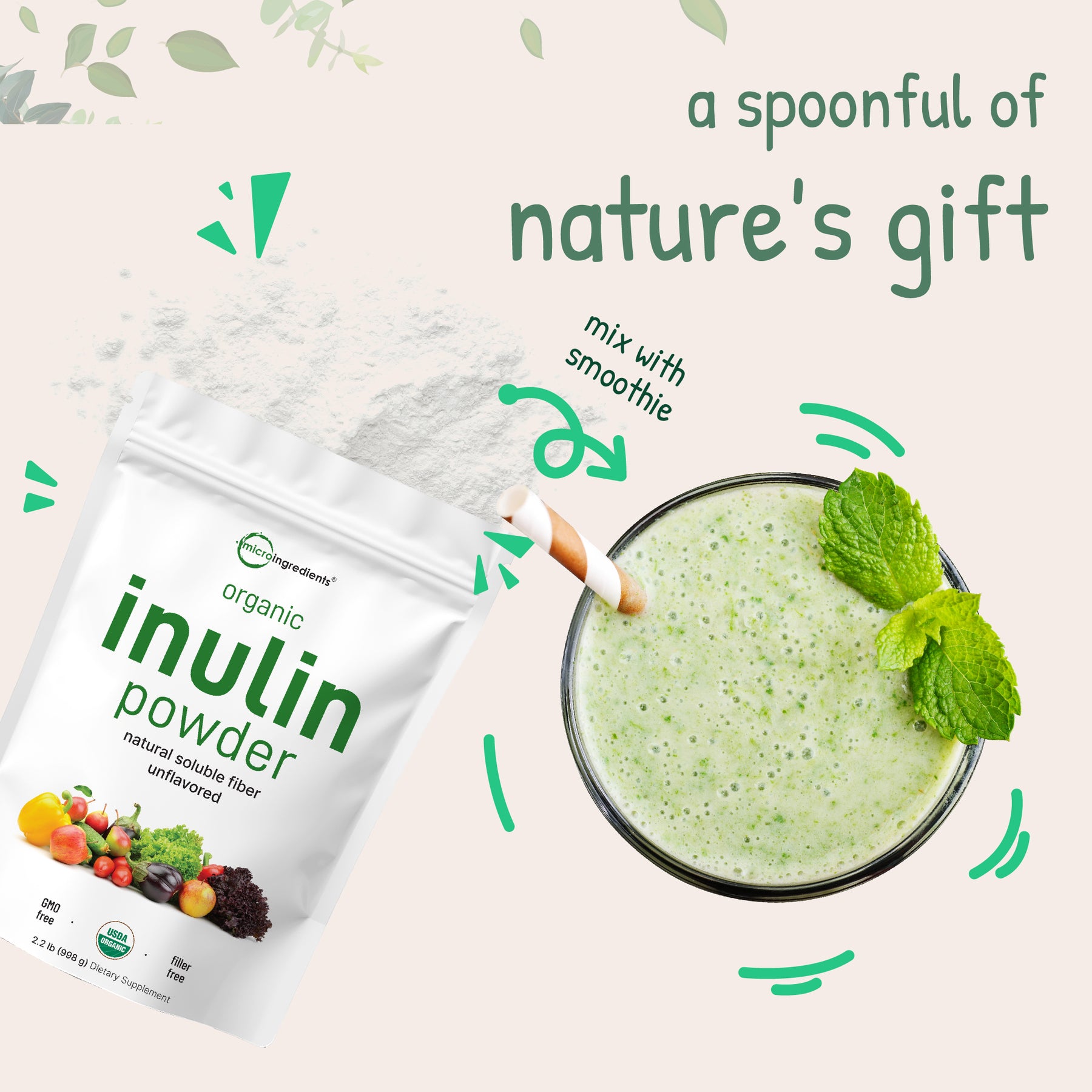
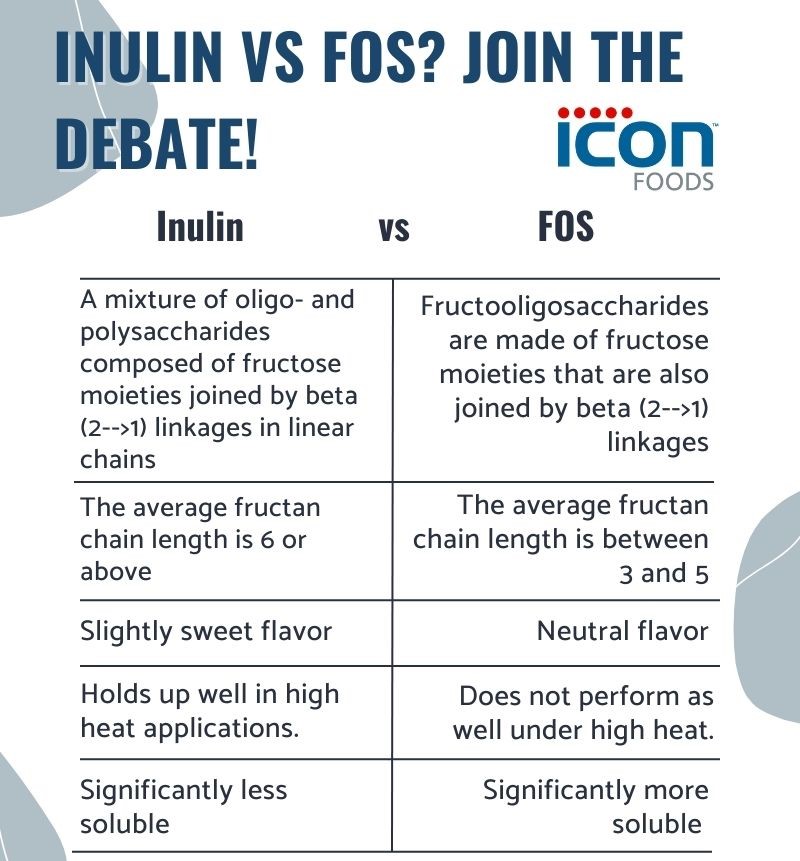
FOS is also a soluble fiber. It's shorter than inulin. Imagine inulin is a long strand of spaghetti. FOS is like that spaghetti cut into smaller pieces. Because it's shorter, it's often fermented more quickly in the gut.
You'll find FOS in similar foods to inulin. Bananas, for instance, have some. But you'll also see it added to processed foods. It's a sneaky way to boost the fiber content.
The Great Debate: What's the Difference?
Here's where things get interesting. And, dare I say, where my slightly controversial opinion comes in. Is there really that much difference between inulin and FOS?
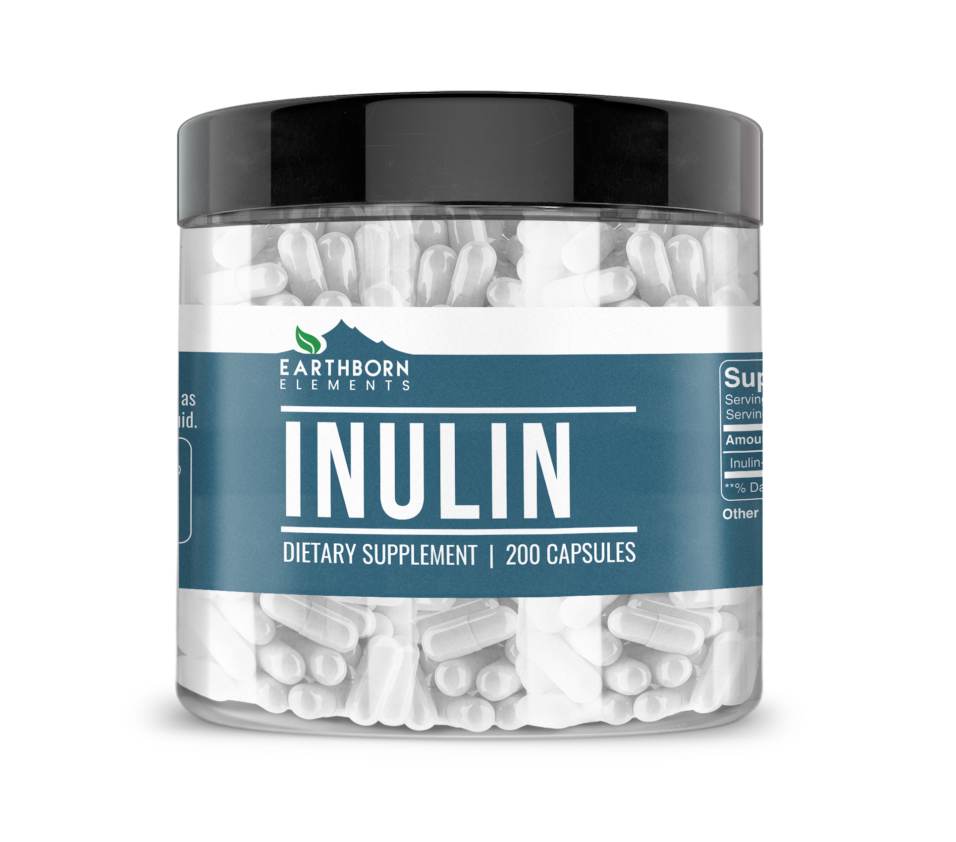
Technically, yes. Inulin is longer. FOS is shorter. FOS might be fermented faster. But in practice? In your everyday life? It's subtle.
Both inulin and FOS feed your gut bacteria. Both can cause gas and bloating if you eat too much. (Trust me, I've been there.) Both are considered prebiotics. Both are good for you, in moderation. Honestly, your gut bugs probably aren't that picky.
My unpopular opinion? They're essentially interchangeable in most situations. It's like the difference between Coke and Pepsi. Some people swear one is better, but to the average person, they're both fizzy brown sugar water. (Please don't come at me, Coke and Pepsi fanatics!)
If you're super sensitive to gut issues, experimenting might be worthwhile. See if you tolerate one better than the other. But for most of us, focusing on getting enough fiber in general is more important than obsessing over the inulin vs. FOS debate.
So, What Should You Do?
Eat your fruits and veggies! That's the best way to get both inulin and FOS naturally. Load up on onions, garlic, bananas, and asparagus. Your gut (and maybe your breath) will thank you.
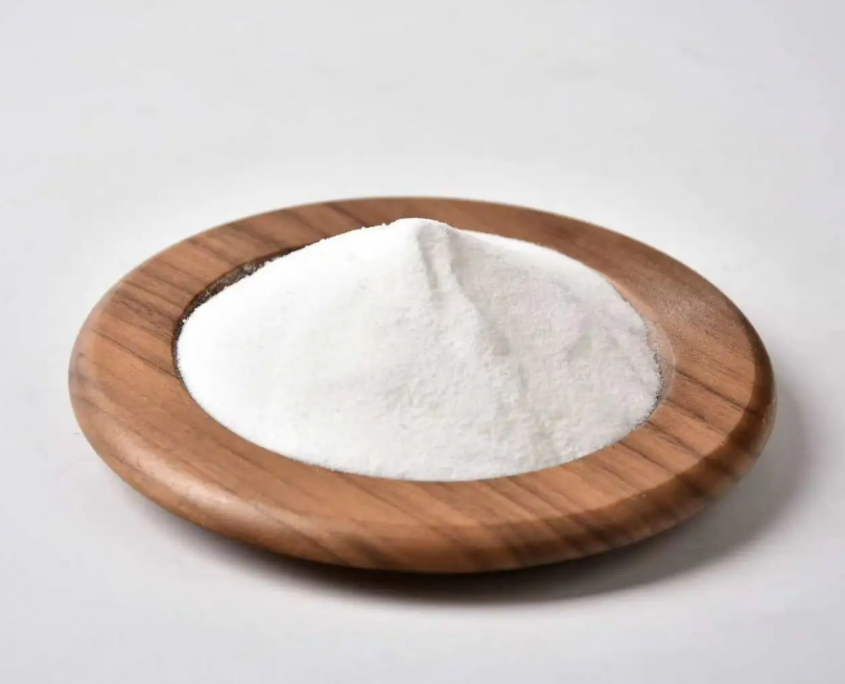
If you're considering supplements, start slow. Too much fiber too quickly can lead to… digestive distress. Nobody wants that.
And remember, listen to your body. It knows best. If something doesn't feel right, stop eating it. It’s pretty simple.
Ultimately, the key takeaway is this: inulin and FOS are good guys. They're on your side. Don't get too caught up in the details. Just focus on feeding your gut bugs a balanced diet. And maybe invest in some breath mints. Just in case.
It's not about choosing sides in the Inulin vs. FOS battle. It's about nurturing a healthy and diverse gut microbiome. And that's something we can all agree on.