
What Is The Difference Between Buck 110 And 112
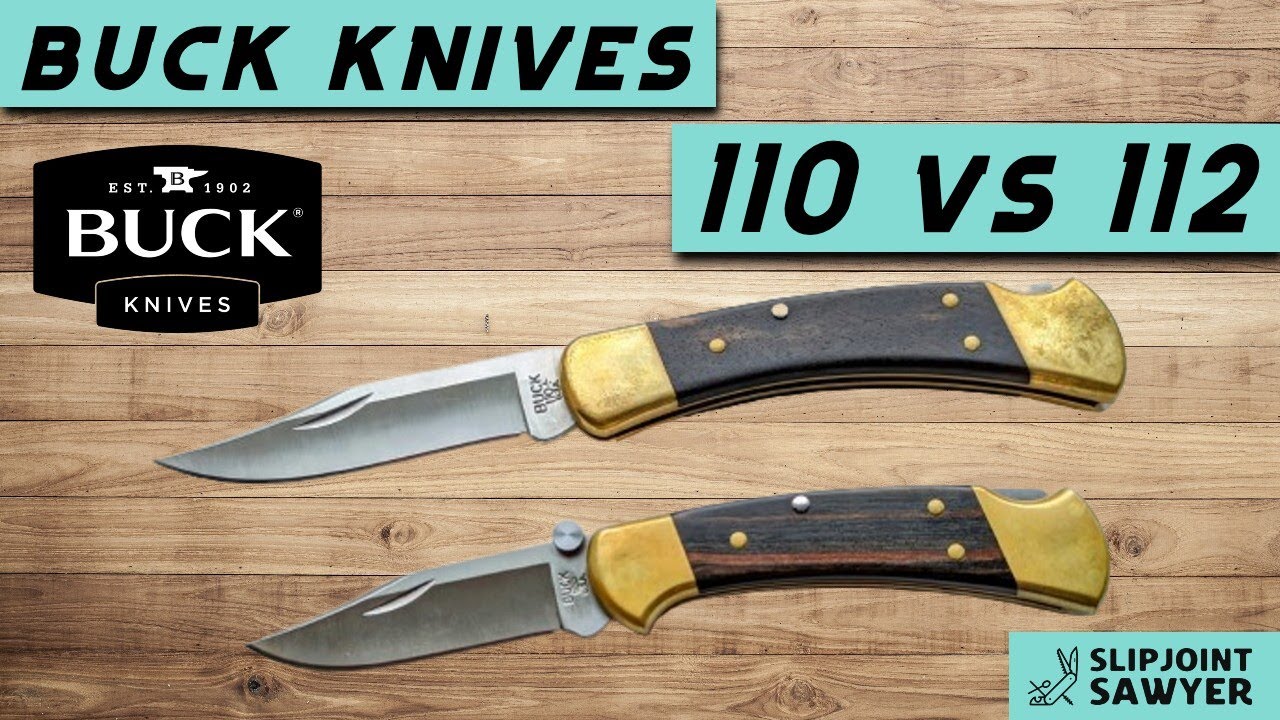
There's something undeniably satisfying about a well-made knife. Whether you're a seasoned outdoors enthusiast, a dedicated handyman, or simply someone who appreciates quality craftsmanship, a good knife is an invaluable tool. And when it comes to iconic American knives, the Buck 110 and 112 are at the top of the list. But what exactly sets these two legends apart?
Both the Buck 110 Folding Hunter and the Buck 112 Ranger offer a blend of practicality and classic design that makes them useful in countless everyday situations. Think about it: opening packages, cutting rope, preparing food while camping, or even just having a reliable tool on hand for unexpected tasks. A sturdy, dependable knife like the 110 or 112 provides that peace of mind and offers a level of self-sufficiency that’s hard to match. They are more than just tools; they are companions, ready to tackle whatever challenge you throw their way.
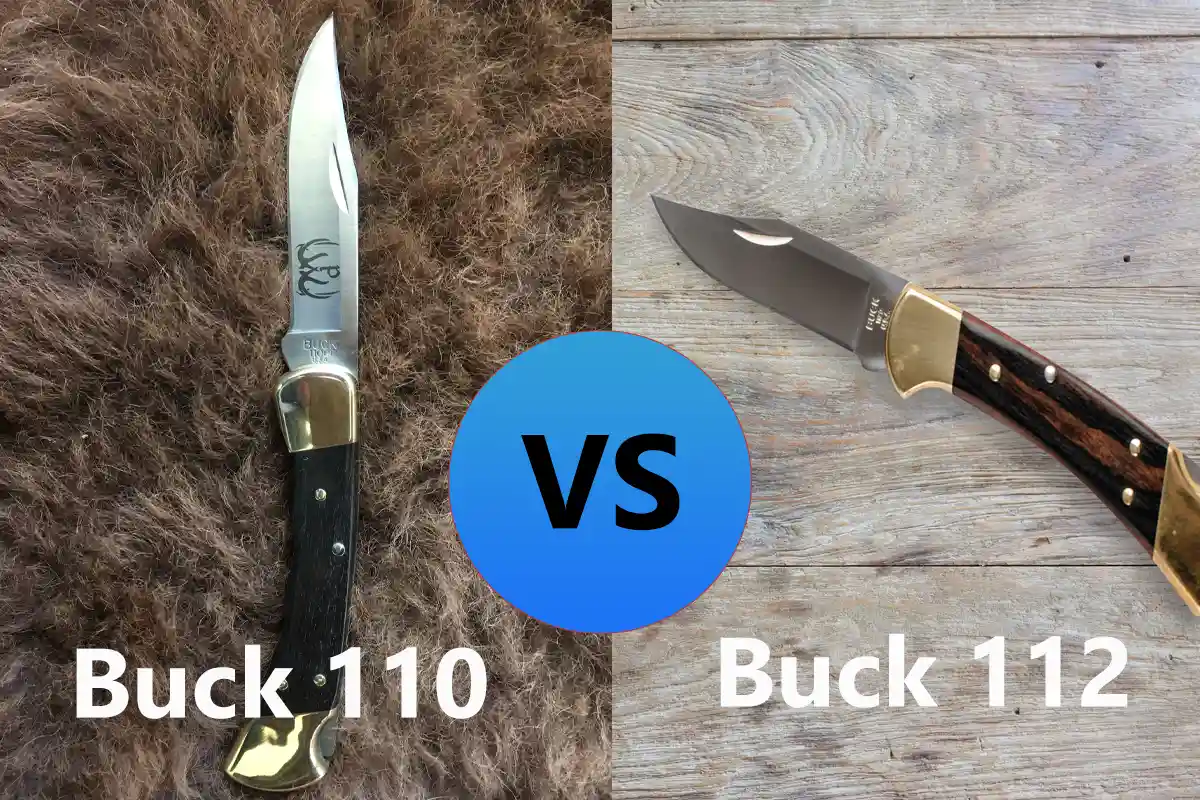
Now, let's dive into the core difference. The key distinction between the Buck 110 and 112 boils down to size and weight. The Buck 110 is the larger of the two, boasting a longer blade and a more substantial overall feel in the hand. This makes it ideal for heavier-duty tasks that require more leverage and cutting power. Imagine processing game, whittling wood for a campfire, or any situation where a larger blade is beneficial.
Must Read
Conversely, the Buck 112 Ranger is the smaller, more compact sibling. Its reduced size makes it significantly more pocket-friendly and convenient for everyday carry (EDC). While it might not be quite as powerful as the 110 for demanding tasks, the 112 is still a remarkably capable knife that can handle most common cutting needs with ease. It's perfect for opening mail, slicing fruit, or any other light-duty task where a smaller, more discreet knife is preferred.
Beyond size, both knives share many similarities. Both feature the classic Buck lockback design, providing a secure and reliable blade lockup. They typically have durable handles made from wood or composite materials, offering a comfortable and secure grip. And both are renowned for their 420HC stainless steel blades, known for their excellent balance of edge retention, corrosion resistance, and ease of sharpening.
So, how can you enjoy your Buck 110 or 112 more effectively? First, keep the blade sharp. A sharp knife is a safe knife, requiring less force to cut and reducing the risk of slippage. Invest in a good quality sharpening stone or honing steel and learn how to properly maintain your blade's edge. Second, regularly clean and oil your knife. This will help prevent rust and corrosion, ensuring that it lasts for years to come. Finally, respect your knife. Use it for its intended purpose and avoid using it as a pry bar or screwdriver, as this can damage the blade and locking mechanism.
Ultimately, the choice between the Buck 110 and 112 comes down to personal preference and intended use. If you prioritize raw cutting power and don't mind a larger knife, the 110 is the way to go. If you prefer a more compact and EDC-friendly option, the 112 is the perfect choice. Either way, you'll be investing in a piece of American history and a reliable tool that will serve you well for years to come.

![Buck 110 vs 112 [Which Is The Right Knife For You...?] - Knife Trackers](https://knifetrackers.com/wp-content/uploads/2023/04/buck-110-vs-112-1-1024x489.png)