What Is The Difference Between A Canoe And Kayak
Have you ever noticed how canoes and kayaks seem to glide across the water with an almost effortless grace? These simple boats, symbols of adventure and tranquility, hold a special place in our hearts. Whether it’s a serene lake painting, a whimsical children's book illustration, or a daring explorer's photograph, canoes and kayaks evoke a sense of freedom and connection with nature. But what exactly differentiates these two popular watercraft?
Understanding the difference between a canoe and a kayak opens up a new world of artistic and recreational possibilities. For artists, knowing the distinct silhouettes allows for more accurate and expressive depictions of water scenes. A long, sleek kayak conveys a different mood than a wide, open canoe. For hobbyists, the practical knowledge helps in choosing the right vessel for a specific activity, be it leisurely paddling, fishing, or even building your own miniature model. And for the casual learner, simply knowing the key differences enriches your appreciation for these iconic boats.
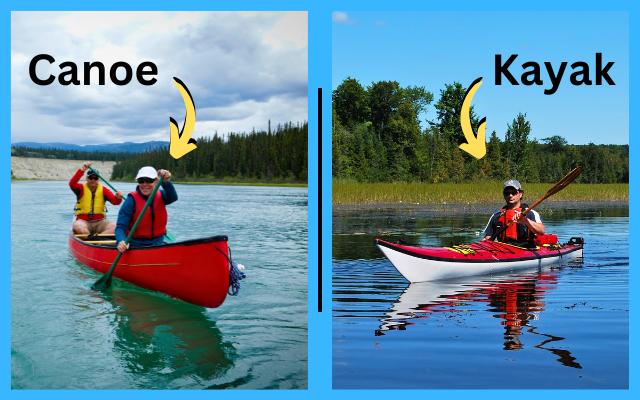
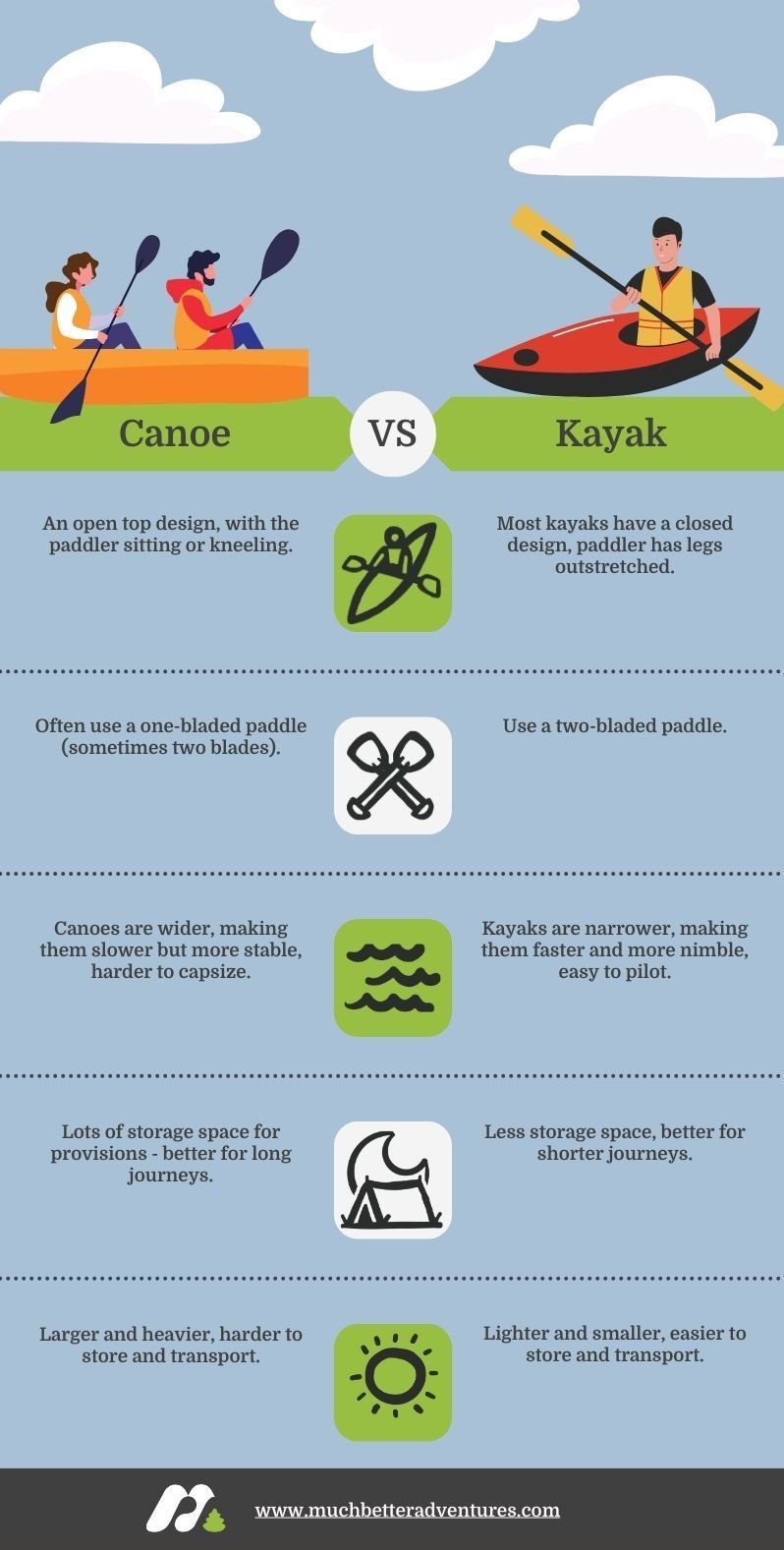
The primary distinction lies in the paddling style and design. Canoes are typically open-decked and paddled with a single-bladed paddle. You'll often kneel or sit on a seat in a canoe. Think of the classic birchbark canoe, the workhorse of early explorers, or the modern recreational canoe, perfect for family outings on calm waters. Kayaks, on the other hand, are usually enclosed or partially enclosed, and paddled with a double-bladed paddle. You sit with your legs extended inside the kayak. Consider the nimble sea kayak, built for long-distance ocean travel, or the playful whitewater kayak, designed for navigating rapids. There are many styles in each category; for canoes you have recreational, tripping and whitewater and for kayaks you have recreational, touring, sea and whitewater options.
Must Read
Trying it at home doesn’t require a lake or river! Grab some paper, pencils, and your imagination. Sketch different canoe and kayak designs. Observe how the lines and shapes contribute to their character. Research different types of paddles and how they are used. Build a mini-canoe or kayak from cardboard or balsa wood. These hands-on activities help you appreciate the nuances of each boat's design and function. You can even watch online videos of canoeing and kayaking techniques to further your understanding.
Ultimately, the joy of understanding the difference between a canoe and a kayak lies in its ability to deepen your connection with the natural world. These boats represent exploration, adventure, and the simple pleasure of gliding across the water. They are a reminder that sometimes, the best experiences are found in the quiet simplicity of nature, propelled by our own strength and guided by our curiosity. Whether you’re an artist, a hobbyist, or simply curious, embracing the world of canoes and kayaks is a journey well worth taking.