What Is The Definition Of Hydroelectric Power

Ever flick a light switch and not think twice about where that electricity comes from? We often take for granted the amazing ways we power our lives. One of the coolest, and often most overlooked, methods is hydroelectric power. It's like using the power of a giant water slide to create electricity! Understanding how it works isn't just informative; it's a fascinating glimpse into the ingenuity of harnessing nature's forces.
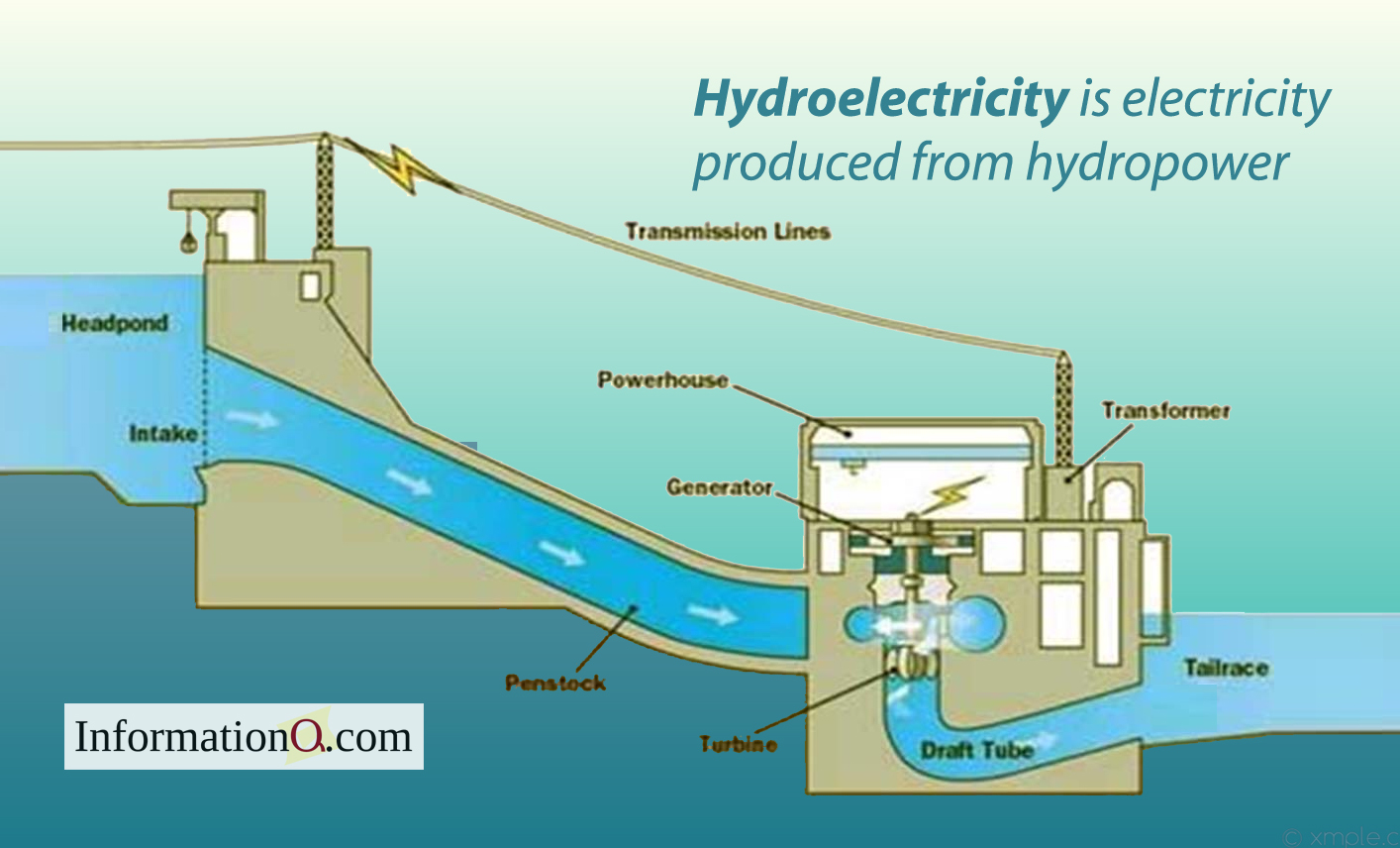
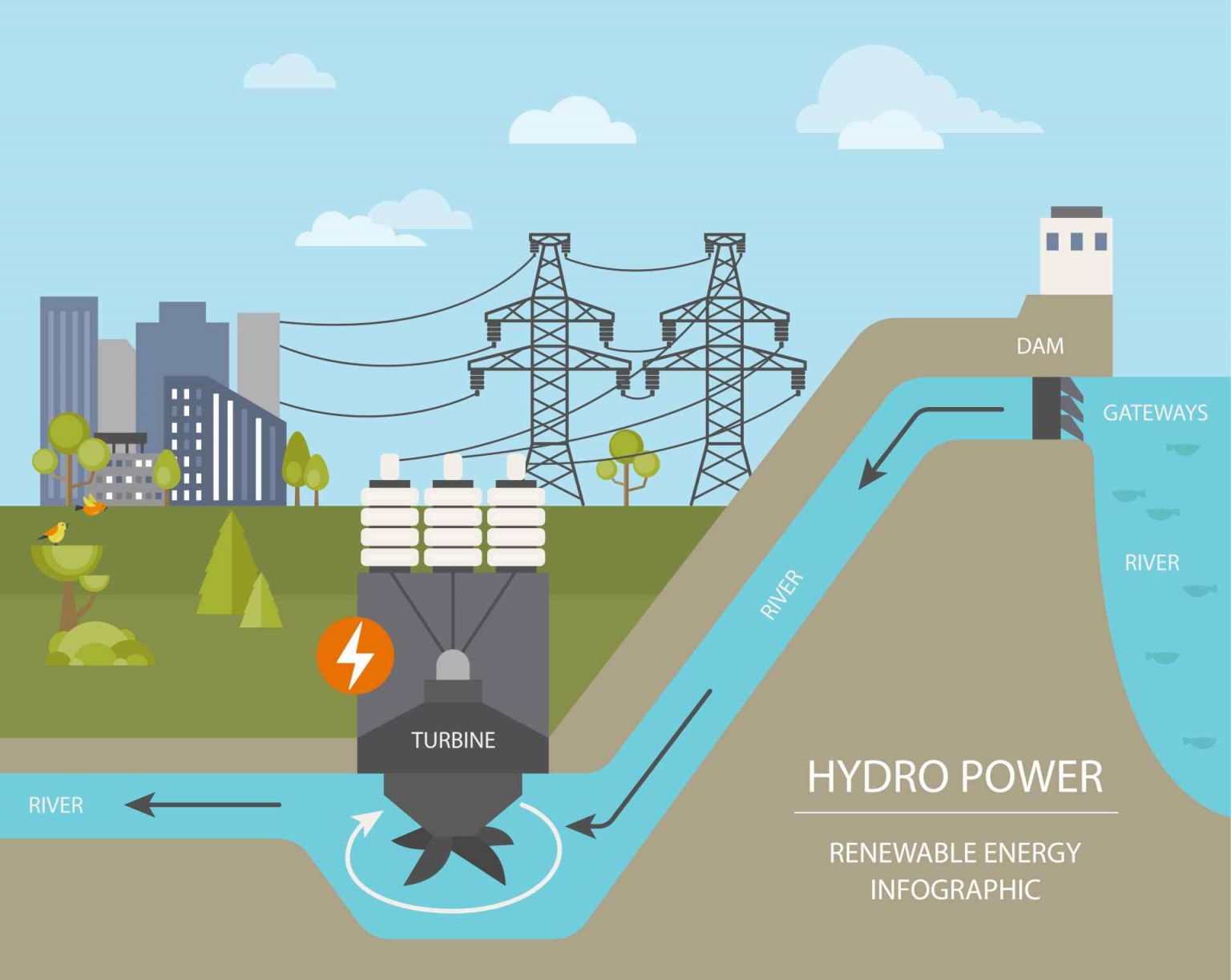
So, what exactly is hydroelectric power? Simply put, it's electricity generated by the power of moving water. The core purpose of hydroelectric power is to convert the kinetic energy of flowing water into electrical energy that we can use to light our homes, power our businesses, and charge our devices. The principle is surprisingly straightforward: water turns a turbine, which spins a generator, and voila – electricity!
The benefits of hydroelectric power are numerous. First and foremost, it's a renewable energy source. As long as the water keeps flowing, we can keep generating electricity. This makes it a much more sustainable alternative to fossil fuels, which are finite and contribute significantly to pollution. Hydroelectric power also produces minimal greenhouse gas emissions during operation, helping to combat climate change. Furthermore, hydroelectric dams can also provide flood control, irrigation, and recreational opportunities like boating and fishing.
Must Read
You might encounter hydroelectric power without even realizing it. For example, many schools use examples of hydroelectric dams in science lessons to demonstrate the principles of energy conversion and renewable energy. Think of the Hoover Dam, an iconic example often featured in documentaries and textbooks. In our daily lives, the electricity powering our lights, appliances, and computers could very well be coming from a hydroelectric power plant nearby (or even far away, thanks to the power grid!). Look for clues on your electricity bill; it might mention the source of your power.
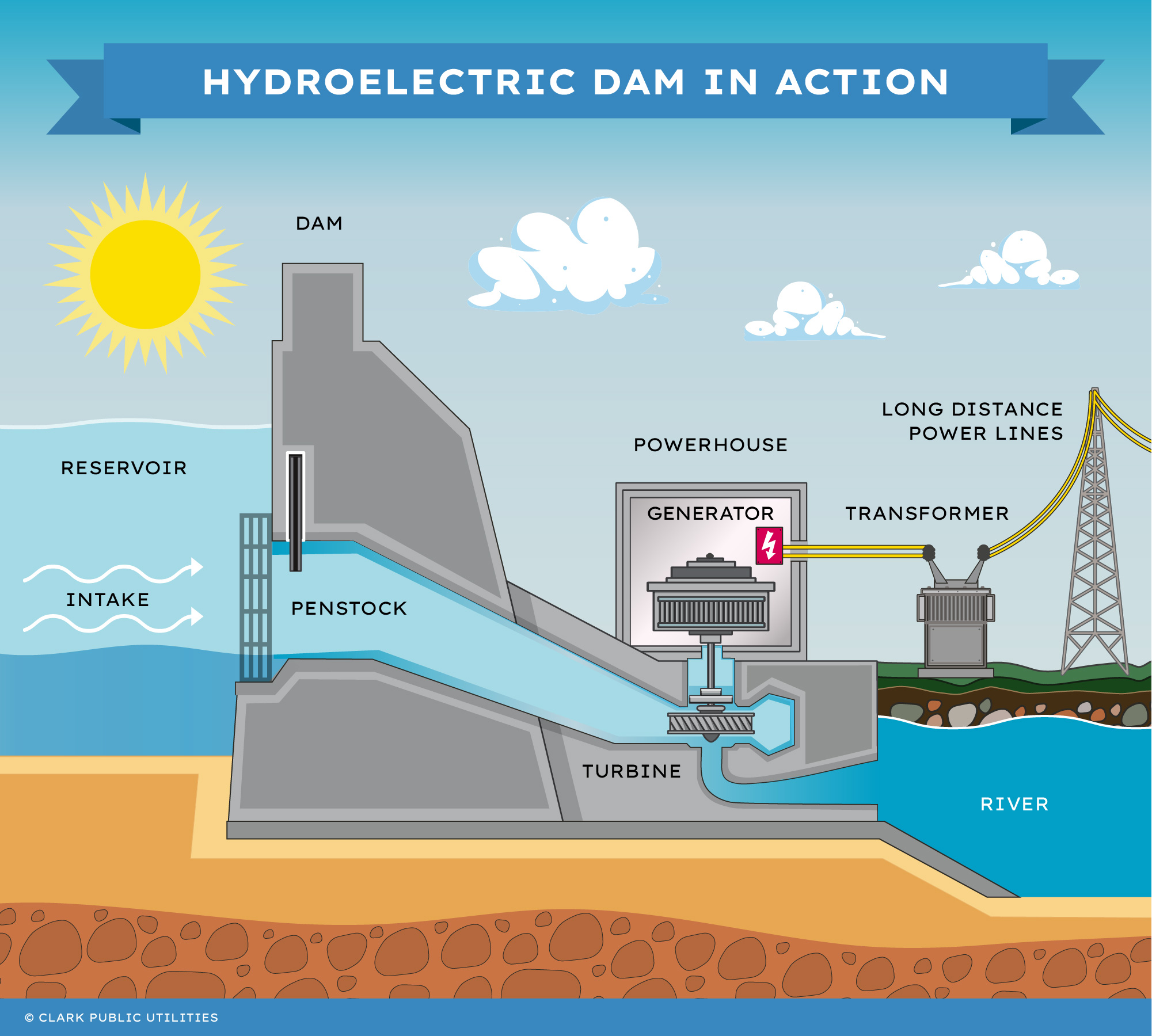
Interested in exploring hydroelectric power further? There are several simple ways to do so. You can start by researching hydroelectric dams in your region and learn about their history and impact. Many dams offer tours, which can be a fantastic opportunity to see the power generation process up close. Another fun and educational activity is to build a miniature water wheel. There are plenty of kits and online tutorials available that can guide you through the process. This hands-on project will help you visualize how the kinetic energy of water is converted into rotational energy, the same principle used in large-scale hydroelectric power plants.
Learning about hydroelectric power empowers you to be a more informed and engaged citizen. By understanding the different ways we generate electricity, we can make more conscious choices about our energy consumption and advocate for a more sustainable future. So, dive in, explore the world of hydroelectric power, and discover the fascinating ways we can harness the power of water for a cleaner, brighter tomorrow!