What Is The Crime Rate In South Carolina
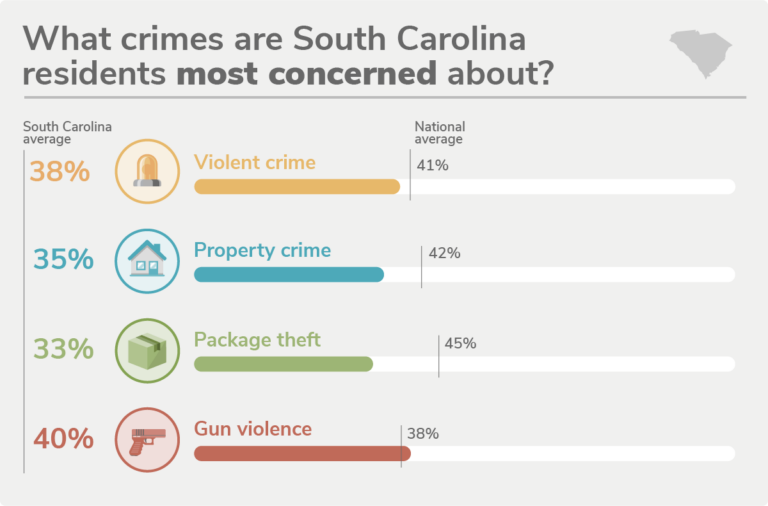
Ever found yourself scrolling through local news, perhaps overhearing a conversation about "what's going on around here," or maybe even pondering a move to a new area? There's a natural, almost primal curiosity we all share about the safety and security of our surroundings. Whether you're a long-time resident of the Palmetto State, a potential newcomer, or just someone who likes to keep an informed pulse on the world, understanding something as seemingly dry as the crime rate in South Carolina is actually an incredibly engaging and practical pursuit. It's not about being a doomsayer; it's about being aware, being smart, and being an engaged citizen.
So, what's the big deal? Why bother with numbers and statistics when you could be enjoying a sweet tea on a porch swing? Well, knowing the ins and outs of crime rates serves a surprisingly diverse array of purposes in our everyday lives. For starters, it empowers us to make informed decisions. Thinking of relocating your family to historic Charleston, a bustling neighborhood in Columbia, or a peaceful community upstate? A quick look at local crime trends can give you invaluable insight beyond what real estate brochures might tell you. It helps dispel myths, grounding conversations in data rather than hearsay, and fosters a more accurate understanding of community challenges and triumphs. It's a powerful tool for civic engagement, helping us understand where resources might be needed most and how local policies might be impacting public safety.
Common examples of how this information is applied are everywhere. Perhaps you're planning a vacation to the vibrant beaches of Myrtle Beach or exploring the serene beauty of the Lowcountry; a glance at regional safety data can help you navigate with greater confidence. Businesses use it when deciding where to invest, ensuring they're setting up shop in stable environments. Local governments rely on it to allocate police resources effectively, develop community programs, and measure the success of their public safety initiatives. For us regular folks, it simply helps us understand the headlines, appreciate the hard work of law enforcement, and contribute constructively to discussions about our own neighborhoods.
Must Read
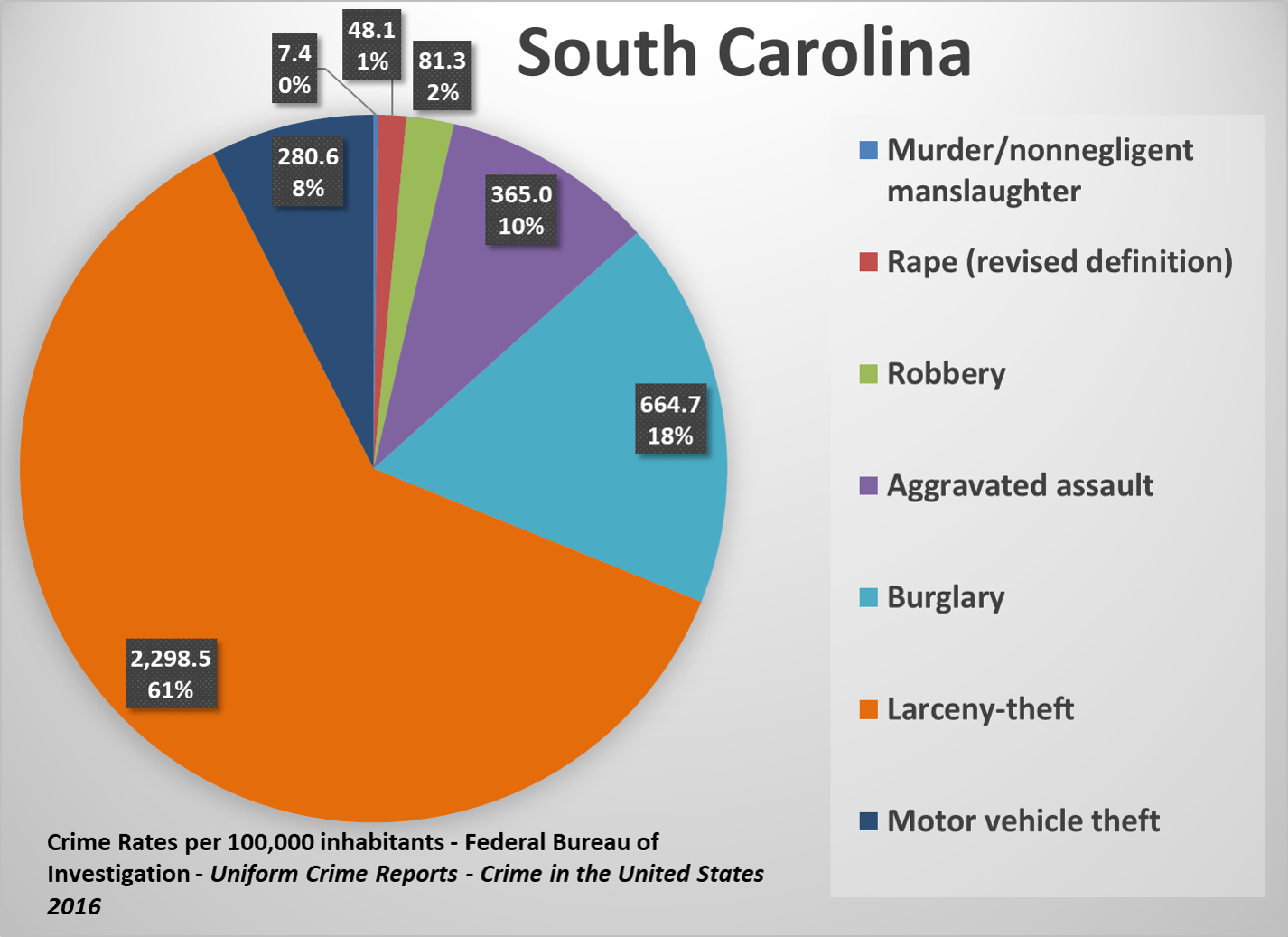
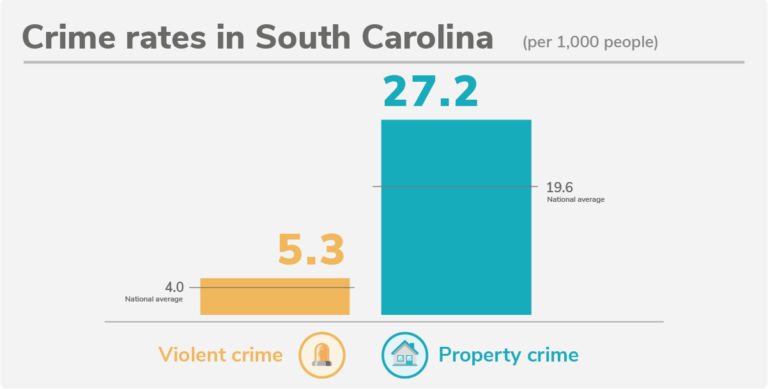
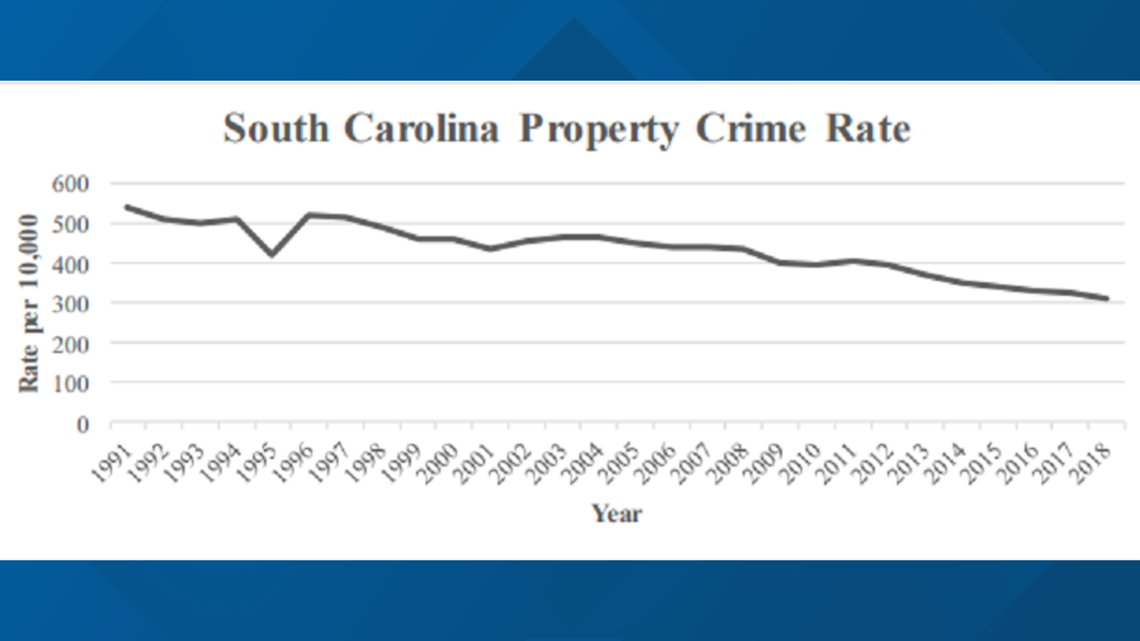
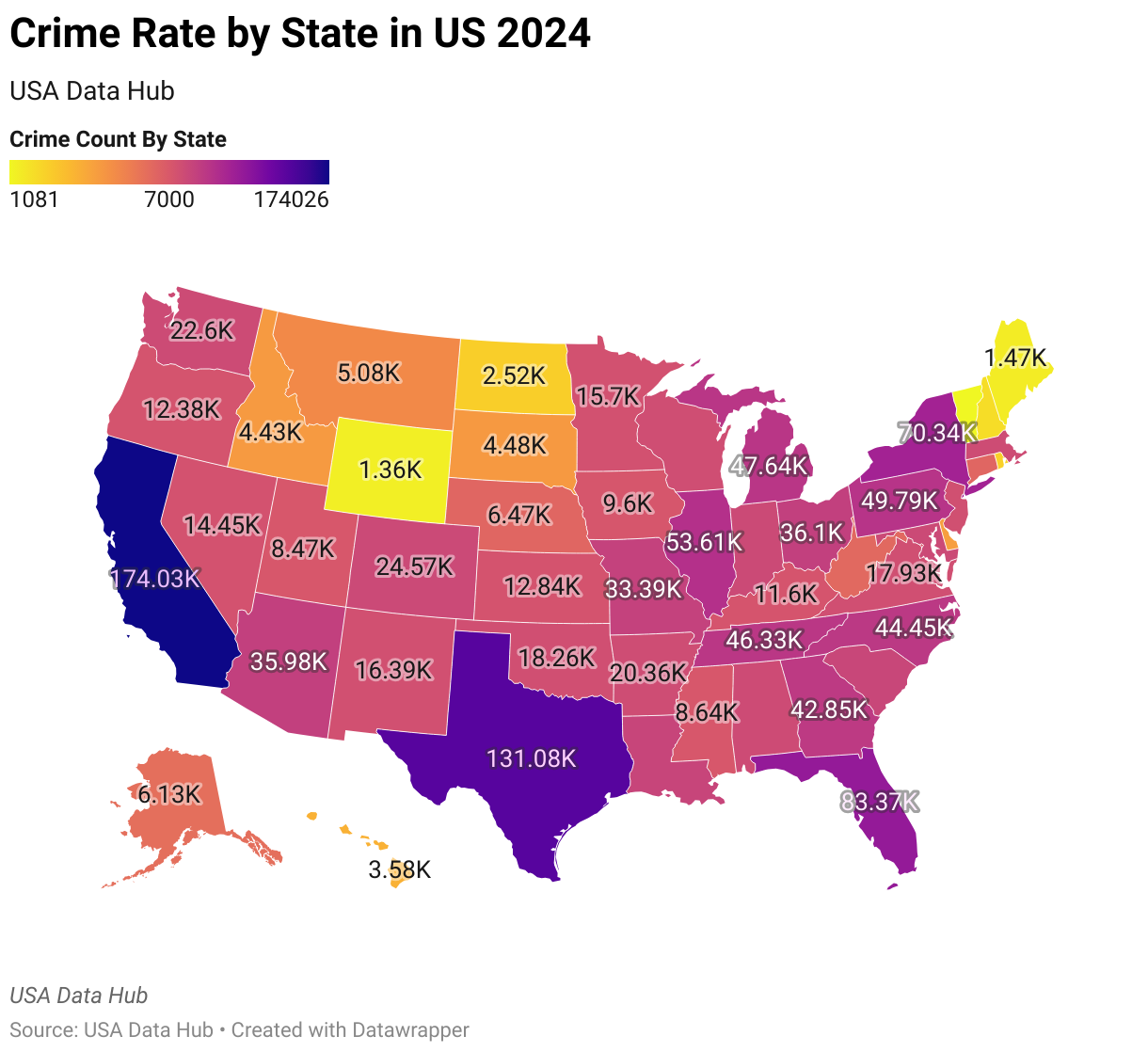
Now, for the fun part: how to enjoy this "activity" more effectively! First off, don't get hung up on just one number. Crime rates are complex. Always look for trends rather than single-year snapshots. Is the rate going up or down over several years? Secondly, understand that "crime rate" often lumps together very different types of offenses. There's a big difference between property crime (like theft) and violent crime (like assault). When researching South Carolina, try to distinguish between these categories. Thirdly, context is king. A statewide average for South Carolina, a large and diverse state, might not reflect the reality of your specific town or even your street. Always dig down to local data when possible. Finally, compare wisely. Don't compare a bustling metropolis like New York City to a quiet South Carolina small town; instead, compare similar communities or benchmark against national averages. Reliable sources like the FBI's Uniform Crime Reporting (UCR) Program and local law enforcement agencies are your best friends. By taking a thoughtful, nuanced approach, you can transform what seems like dry data into a truly enlightening and empowering understanding of your world.