
What Is The Credit Card Billing Address
Ever been in the middle of an online shopping spree, just about to click "confirm order" on that irresistible cat-themed blanket or the latest tech gadget, when suddenly a little box pops up asking for your credit card billing address? You stare at it, momentarily confused, thinking, "Wait, isn't that just... my address? Where I live? Or is it where my card lives? Does my card have its own tiny apartment somewhere?"
Don't worry, you're not alone. This little detail has stumped even the most seasoned online shoppers and caused more than a few moments of existential dread. But let's demystify it with a smile, because honestly, it's not nearly as complicated as it sometimes feels.
So, What Is It, Really?
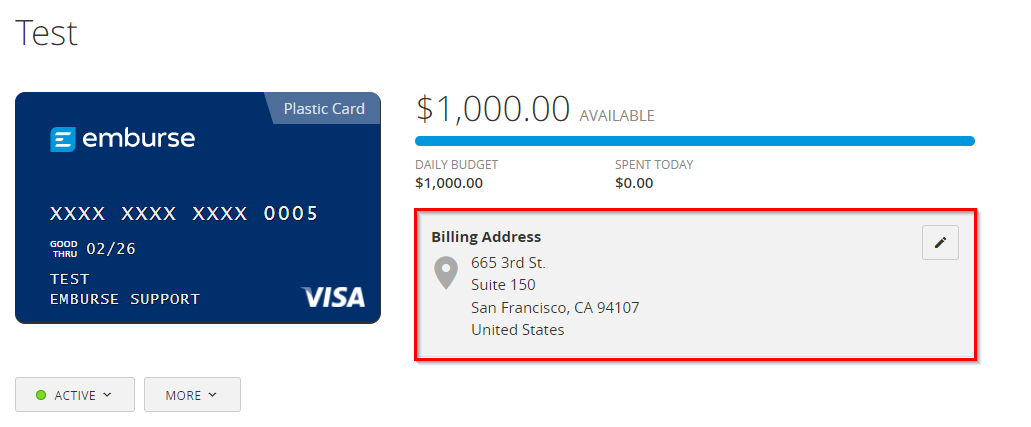
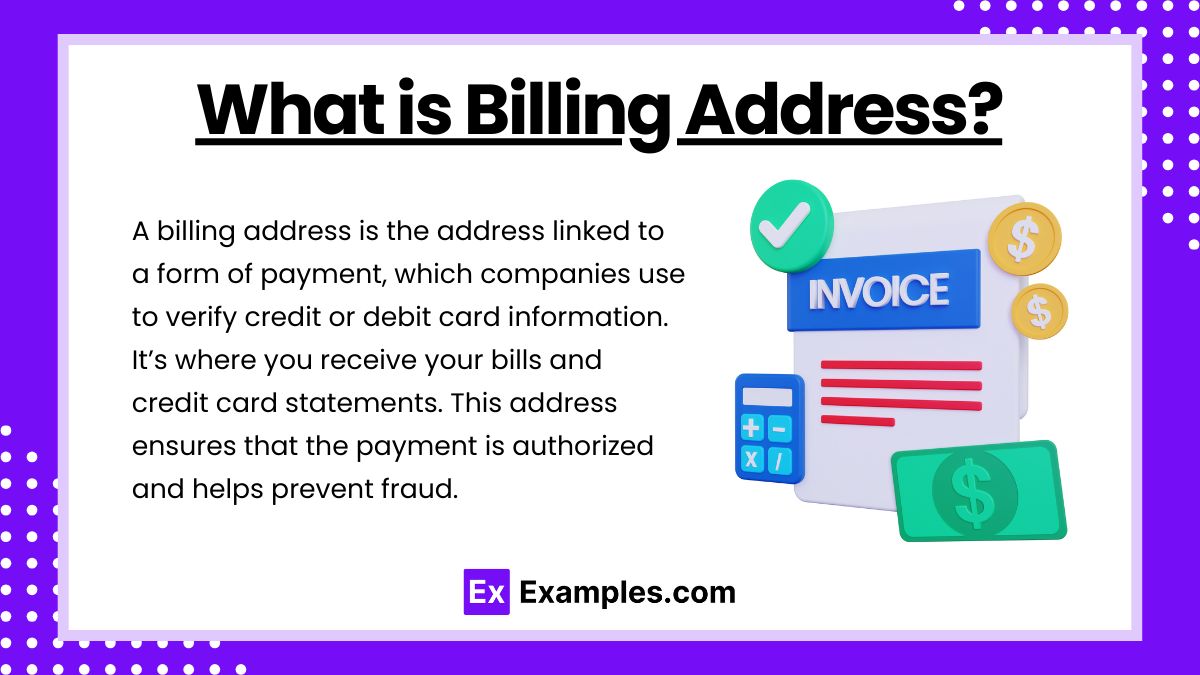
Think of your credit card billing address as your credit card's official "home address" on record with the bank or financial institution that issued it. It's the physical address where your monthly statements are (or would be, if you still got paper statements) sent. It's not where your fancy new gadgets are shipping to, unless, of course, that's also your home address. It's like your credit card's permanent mailing address, its digital postbox.
Must Read
Imagine your credit card could write a letter. The billing address is the return address it would put on the envelope. It’s the address your bank uses to verify your identity and send you official communications. Simple, right? Mostly.
Why Does This Mundane Detail Matter So Much?
Ah, excellent question! It boils down to a couple of key things: security and fraud prevention.
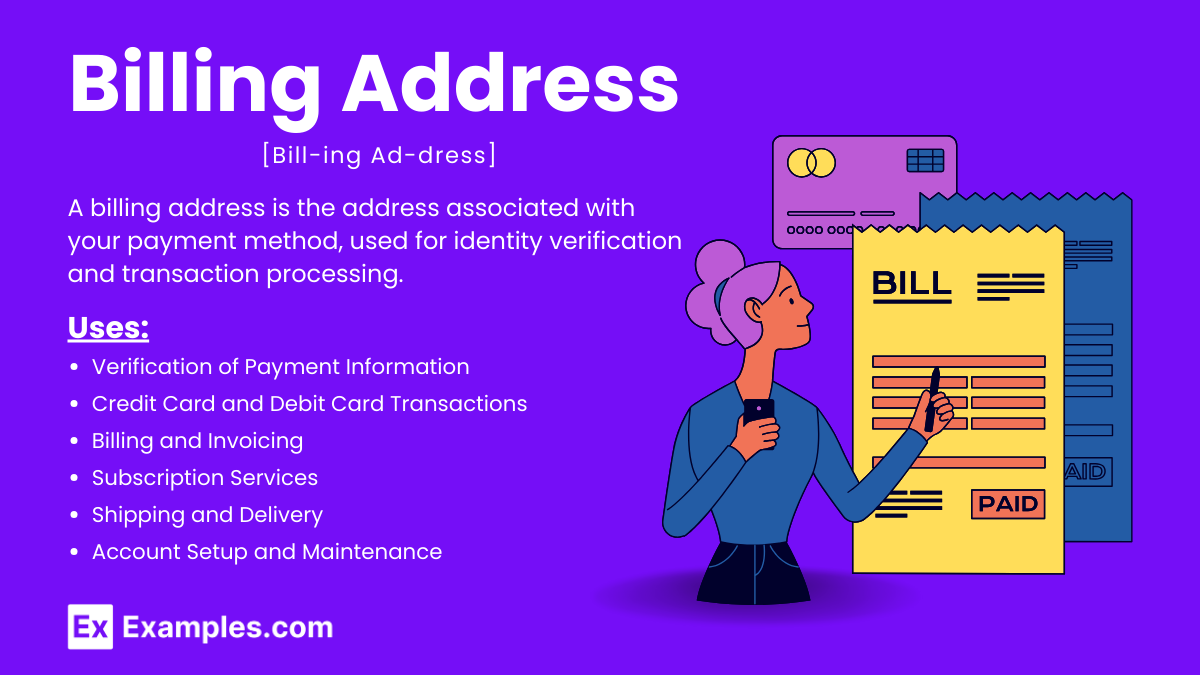
When you're making an online purchase, the merchant (the website you're buying from) sends your credit card details, including that billing address, to your bank. The bank then does a quick check: "Does the address provided by this customer match the address we have on file for this cardholder?" If it matches, great! It’s a green light. If it doesn't, it’s a big red flag.
This is a brilliant little digital bouncer that helps prevent someone from using your stolen card online. Even if they have your card number and the security code, if they don’t know your billing address, the transaction will likely be declined. It’s a simple, yet surprisingly effective, layer of protection for your hard-earned cash and credit score.
The "Oops, I Forgot!" Moment
We've all been there. You moved last year, updated your driver's license, told your grandma, but completely forgot to update your credit card company. Then, you're online, trying to buy something, and you instinctively type in your new address. Declined! Your heart sinks. You try again, same thing. Panic sets in. Did your card get stolen? Is your credit rating in the toilet?
Nine times out of ten, it’s just that pesky billing address mismatch. Your bank still thinks you live at your old place, and the online store's system is just doing its job, protecting you from potential fraud by refusing the transaction. It's like your credit card is saying, "Who are you? You don't live here anymore!"
Another common scenario? You're buying a gift for a friend and having it shipped directly to them. The shipping address will be your friend's house, but the billing address absolutely, positively, must be your address – the one linked to your card. Mix these up, and you're in for a digital headache.
Keeping Your Card's "Home" In Order
So, how do you avoid these little billing address blunders?
Firstly, always know your current billing address. Yes, it sounds obvious, but when you move, it's one of those things that can slip through the cracks. Make sure to update your address with your credit card companies as soon as you settle into your new digs. A quick call or a visit to their online portal usually does the trick.
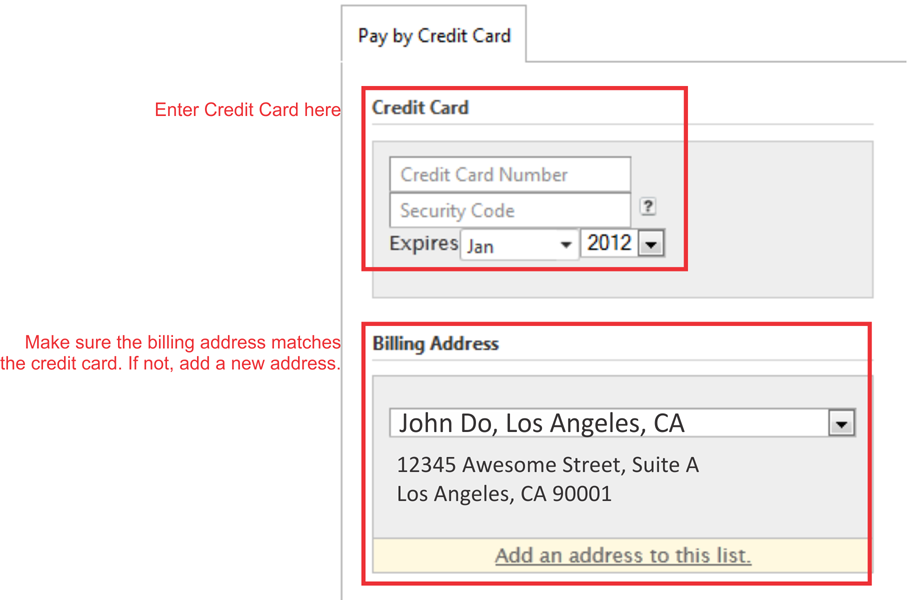
Secondly, when shopping online, double-check that address field. It's often pre-filled, but if you've recently moved or have multiple addresses saved, make sure the correct one is selected for billing. A moment of scrutiny can save you a world of frustration.
It's Your Card's ID
Think of your billing address as your credit card's ID card. It's proof of who and where it belongs. It's not there to annoy you; it's there to protect you. Once you understand its role, those little boxes requesting it become less of a mystery and more of a friendly security guard.
So, next time you see that "billing address" field, give a little nod of understanding. You're not just filling out a form; you're participating in a secure system designed to keep your money safe. And who knows, maybe that cat-themed blanket will arrive with fewer dramatic "declined" moments!