
What Is The Best Printer For Notary Signing Agents
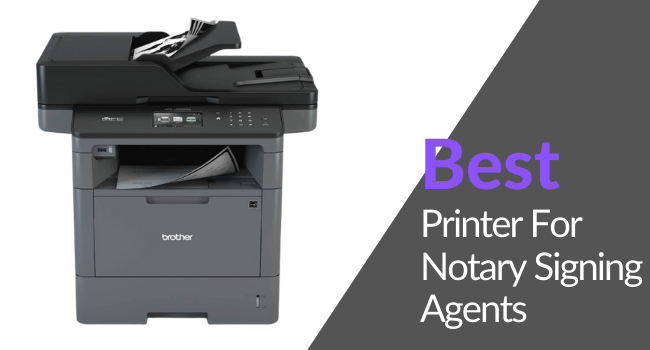
So, you're a Notary Signing Agent? Welcome to the club! You're the rockstar of real estate closings, the wizard of wills, the… well, you get the idea. But before you can unleash your document-wrangling superpowers, you need the right tools. And no, I'm not talking about that fancy stamp.
I'm talking about the unsung hero of every successful signing: the printer. Yes, that clunky, often-ignored machine in the corner. Choosing the right one can be surprisingly important to the success of your business.
The Printer Predicament
Imagine this: you're at a closing, the clients are ready to sign, and…your printer decides it's a good time for an existential crisis. It starts flashing error messages like a disco ball gone haywire. Cue the awkward silence. The sweat. The frantic Googling. Not a good look!
Must Read
Choosing the wrong printer isn't just an inconvenience; it can cost you time, money, and your professional reputation. So, let's dive into the world of printers. It’s more exciting than it sounds, I promise.
Laser vs. Inkjet: The Epic Showdown
The first battle in the Printer Games is between laser printers and inkjet printers. Think of it as the tortoise and the hare, but with toner and ink cartridges.
Laser printers are the sprinters. They're fast, efficient, and produce crisp, clean text. They use toner, a powdery substance that's fused onto the paper with heat. Think of them as the workhorses of the printing world, reliably churning out documents page after page.
Inkjet printers are the artists. They excel at printing photos and graphics, using liquid ink sprayed onto the paper. They're often more affordable upfront, but their ink cartridges can be surprisingly thirsty. This can result in a lot of ink changing, like, a lot.

Duplexing: The Double-Sided Secret Weapon
Here's a word that will become your new best friend: duplexing. It simply means printing on both sides of the paper automatically. For a Notary Signing Agent, this is a must-have. Imagine having to manually flip hundreds of pages during a closing? Nightmare fuel.
Duplexing saves paper, saves space, and saves you from embarrassing paper cuts in front of your clients. Trust me, you’ll look more professional and less like a frustrated librarian.
Connectivity: Wireless Wonders and Wired Warriors
In today's connected world, wireless printing is almost essential. It allows you to print from your laptop, tablet, or even your phone without being tethered to the printer by a cable. No more wrestling with tangled wires!
However, don't underestimate the reliability of a good old-fashioned wired connection. Sometimes, a direct connection is the most stable and secure option, especially when dealing with sensitive documents.
The Ideal Printer for a Notary Signing Agent: A Wishlist
So, what does the perfect printer for a Notary Signing Agent look like? It's a combination of speed, reliability, and a few key features. It is a machine that does not test your patience or your sense of humor.
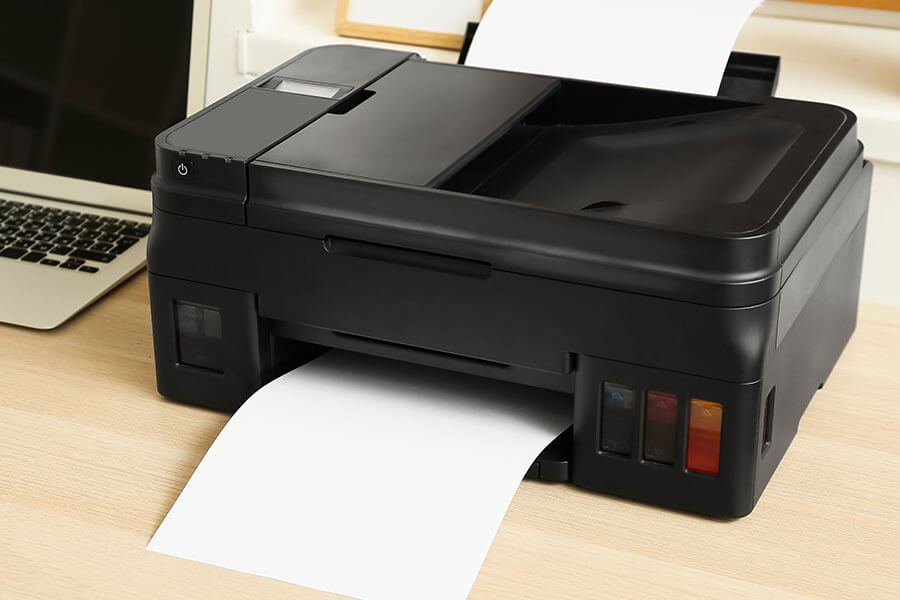
Here's a checklist:
* Laser printer: For speed and crisp text. * Duplexing: Automatic double-sided printing is non-negotiable. * Wireless and wired connectivity: Flexibility is key. * High paper capacity: Minimizes the need to constantly refill the paper tray. * Reliability: A printer that won't let you down during a crucial closing.Models That Make the Grade
While I can't endorse a specific brand or model (every notary has their personal favorite), here are a few types of printers that are often recommended by veteran Signing Agents:
* Brother Laser Printers: Known for their reliability and affordability. * HP LaserJet Printers: A solid choice for high-quality printing and robust performance. * Epson EcoTank Printers (with caution): Some models can handle the volume, but double-check print speeds.Remember to read reviews, compare prices, and consider your specific needs before making a decision. Do your research, and your printer will be your best friend.
Tales From the Trenches: Printer Horror Stories (and How to Avoid Them)
Every Notary Signing Agent has a printer horror story. It's like a rite of passage. Let me share a couple to illustrate what to avoid:
The Case of the Vanishing Ink: A notary arrived at a closing only to discover that their inkjet printer had decided to go on an ink strike. The client was not amused. Solution: Always carry extra ink cartridges, or better yet, switch to a laser printer.
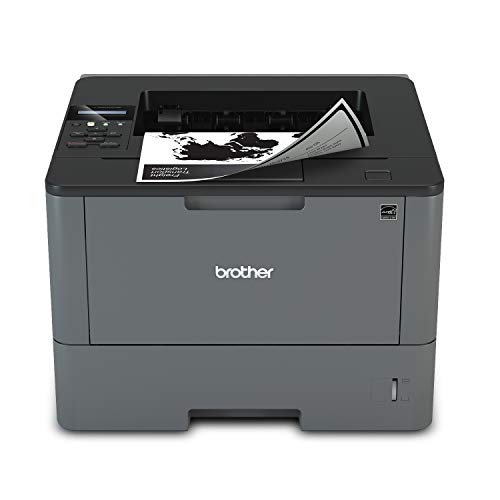
The Duplexing Disaster: A notary thought they had set up duplex printing correctly, but halfway through the signing, they realized it was printing one-sided, but out of order! The notary frantically reorganized hundreds of pages. Solution: Test duplexing before every signing. Every. Single. Time.
These stories highlight the importance of preparation and choosing the right printer. Learn from others' mistakes, so you are not doomed to repeat them.
The Care and Feeding of Your Printer
Once you've found your perfect printer, it's essential to take care of it. A well-maintained printer is a happy printer, and a happy printer is a productive printer.
Here are a few tips:
* Use high-quality paper: Cheap paper can cause jams and damage the printer. * Clean the printer regularly: Dust and debris can accumulate and affect performance. * Update the printer drivers: Keep your software up to date for optimal functionality. * Don't ignore error messages: Address problems promptly to prevent further damage.The Future of Printing: Beyond Paper
While paper documents are still a staple of real estate closings, the industry is slowly moving towards digital solutions. The goal is to be paperless.
Some signing agencies are starting to use tablets and digital signatures. But until that day arrives, a reliable printer is your best friend.
So, choose wisely, take care of your printer, and may your signings be smooth and error-free. And remember, a little bit of humor can go a long way when dealing with technology that occasionally decides to stage a rebellion.
In Conclusion
Finding the best printer for a Notary Signing Agent involves weighing factors like print speed, duplexing capabilities, and connectivity options. While inkjet printers might seem appealing for their initial cost, laser printers generally offer better long-term value due to their speed and efficiency.
Don’t forget to invest in reliable paper and perform regular maintenance. By following these tips, you can ensure smooth and successful signings, avoiding printer-related headaches.
Happy printing!