What Is The Best Home Generator System
:max_bytes(150000):strip_icc()/SPR-HOME-7-best-home-generators-4173501-818c19d92ec34a93b4116f3b1dc1da00.jpg)
Alright, let's talk about power outages. You know the drill. One minute you’re binge-watching your favorite show, the next… darkness. Suddenly, your fridge starts doing that anxious hum, your phone is at 3%, and the kids are wondering if they have to, gasp, read a book. It’s like being thrown back into the Stone Age, but with Wi-Fi withdrawal symptoms. And honestly, who needs that kind of drama?
That’s where the mighty home generator swoops in, cape flapping in the metaphorical wind, ready to save your frozen pizzas and your sanity. But choosing one? It can feel like trying to pick out a new car, but for, you know, keeping your lights on when the world goes dark. Don't worry, we're going to break it down like we're just chatting over a backyard BBQ.
The "Portable Pal": Your Weekend Warrior
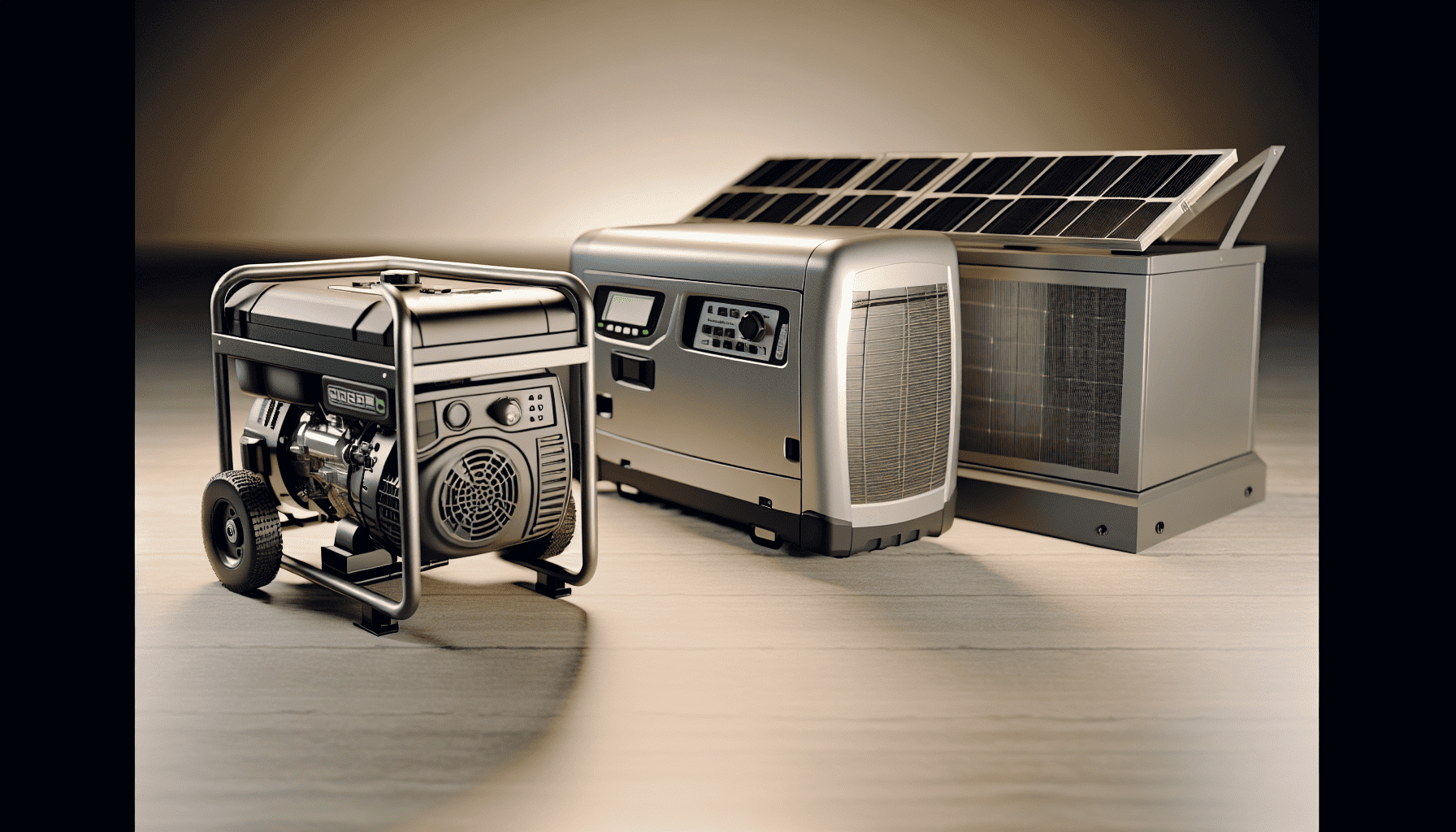
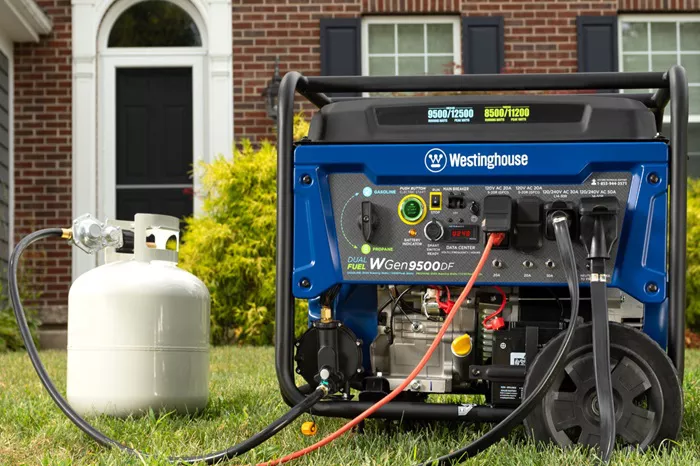
First up, we have the portable generator. Think of this as your trusty sidekick, the plucky little engine that could. It’s usually smaller, you can move it around (hence "portable"), and you fire it up manually when the power goes out. You'll probably hear it chugging away, sounding a bit like a lawnmower that's very enthusiastic about its job.
Must Read
These are great if you're on a tighter budget or only need to power a few essential things. Maybe your fridge, a few lights, and that all-important coffee maker. You plug things directly into it, like a giant, noisy power strip. The downside? You have to keep it fueled up, haul it out of the garage, and brave the elements to get it going. It’s a bit like having a helpful, but high-maintenance, friend.
Pros: More affordable, flexible (you can take it camping!), less permanent.
Cons: Manual operation, noisy, needs refueling, limited power output. You’ll be doing a little dance in the rain with gas cans.
The "Silent Guardian": The Set-It-And-Forget-It Hero
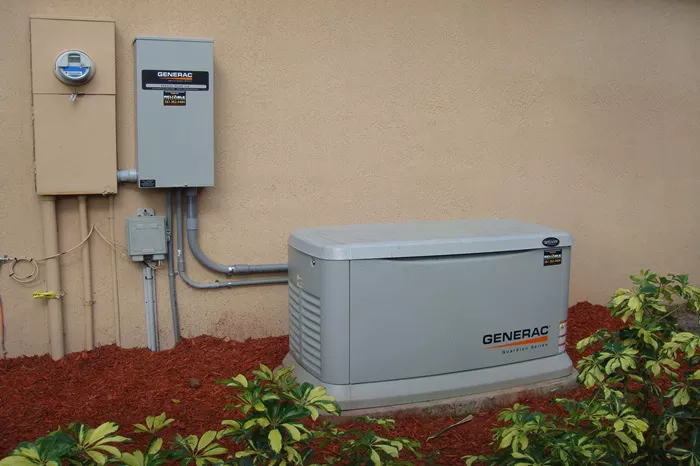
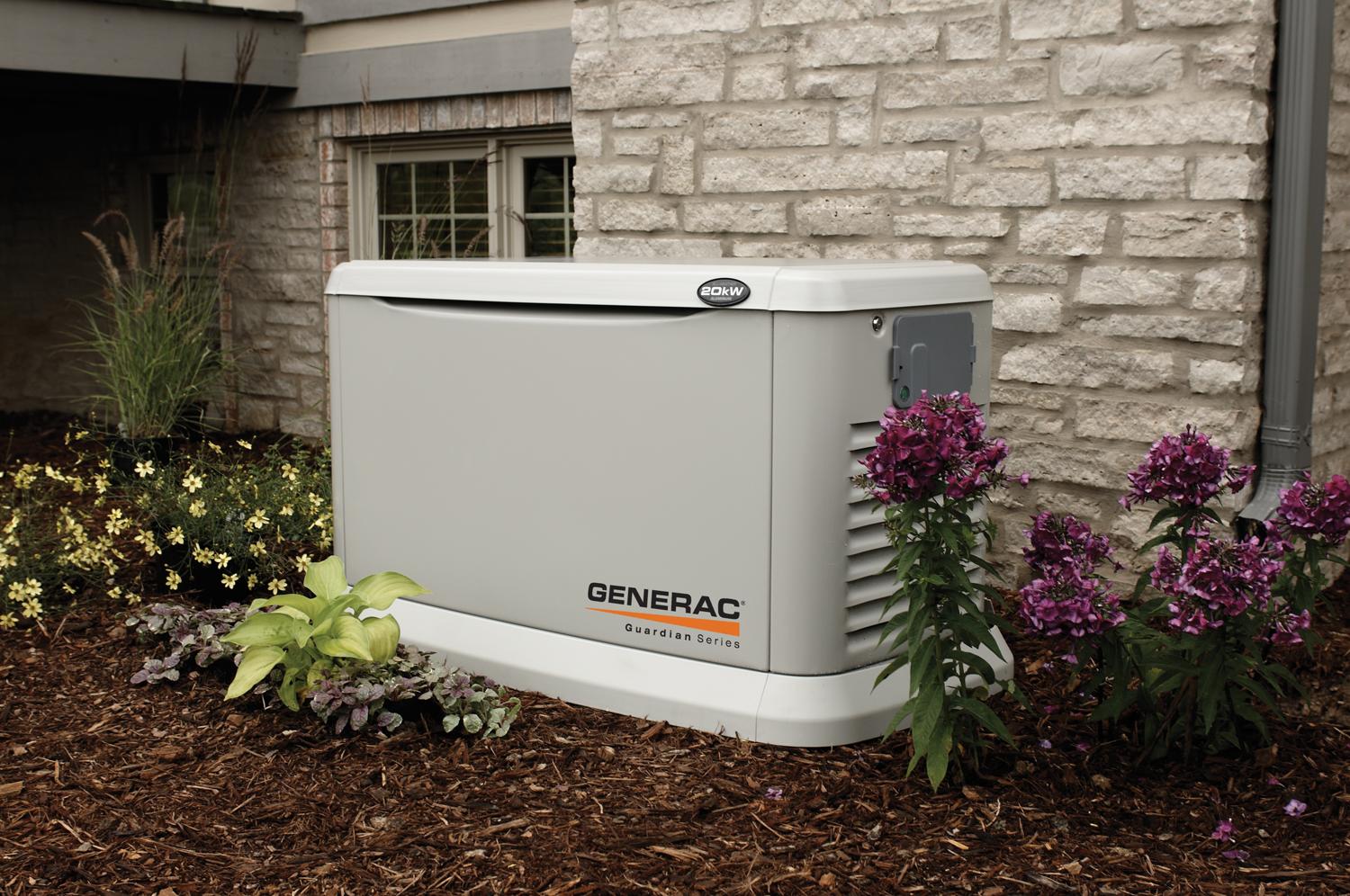
Then there's the standby generator. This is the sophisticated older sibling. It’s permanently installed outside your home, usually plumbed into your natural gas or propane line. When the power flickers, it's like it says, "Hold my beer," and kicks in automatically, often within seconds. You might not even notice the power went out until you realize your neighbor is still staring blankly into the darkness while your lights are blazing.
These beauties are designed to power your whole house, or at least a significant portion of it, seamlessly. They perform self-checks, so you know they're ready to roll. It’s the ultimate "peace of mind" purchase, letting you continue your Netflix marathon without missing a beat, even if a hurricane is brewing outside. No running out in your pajamas to pull a starter cord here!
Pros: Fully automatic, powers most or all of your home, quieter, runs on utility gas lines, very reliable.
Cons: More expensive upfront, professional installation required, takes up permanent yard space. Think of it as a significant investment in your home's uninterrupted happiness.
What Do You Really Need to Power?
This is the million-dollar question (or at least the several-thousand-dollar question). Do you just want to keep the lights on and the milk from spoiling? Or do you want to keep your entire mansion humming, complete with the hot tub and three gaming PCs? Be honest with yourself. It’s like packing for a trip: do you need the kitchen sink, or just your toothbrush?
Make a list of your absolute essentials: fridge, freezer, a few lights, maybe a fan, medical equipment if needed. Then, your "nice-to-haves": TV, internet router (because, priorities!), a microwave. This list will help determine the size (in kilowatts) of the generator you need. Don't overbuy, but definitely don't underbuy if you want to avoid a meltdown when the kids can't charge their tablets.
Fueling Your Fortress of Solitude
Generators run on different things: gasoline, propane, or natural gas. Gasoline is common for portables, but it stores poorly and you’ll need a lot of it. Propane is cleaner and stores better, but you'll need tanks. Natural gas is the ultimate "set it and forget it" for standby units, as it's directly from your utility line – endless supply, no hauling!
The Bottom Line: Peace of Mind is Priceless
Ultimately, choosing the "best" home generator isn't about the biggest or the fanciest; it's about finding the one that fits your life, your budget, and your particular level of intolerance for power outages. Because when the lights go out, and you hear that comforting hum of your generator kicking in, you'll know you made the right call. No more stumbling in the dark, no more melting ice cream, and definitely no more bored kids. Just sweet, sweet electricity.