What Is The Best Heating Air Conditioning System
Ever walked into a building and felt that immediate wave of comfort wash over you? Maybe it’s a welcome blast of cool air on a sweltering summer day, or the cozy warmth enveloping you as you escape a winter chill. We often take it for granted, but behind that comfortable feeling is a sophisticated system working hard to keep us at just the right temperature: our Heating, Ventilation, and Air Conditioning, or HVAC system. Figuring out the “best” HVAC system is a bit like searching for the perfect pair of shoes - it really depends on your needs!
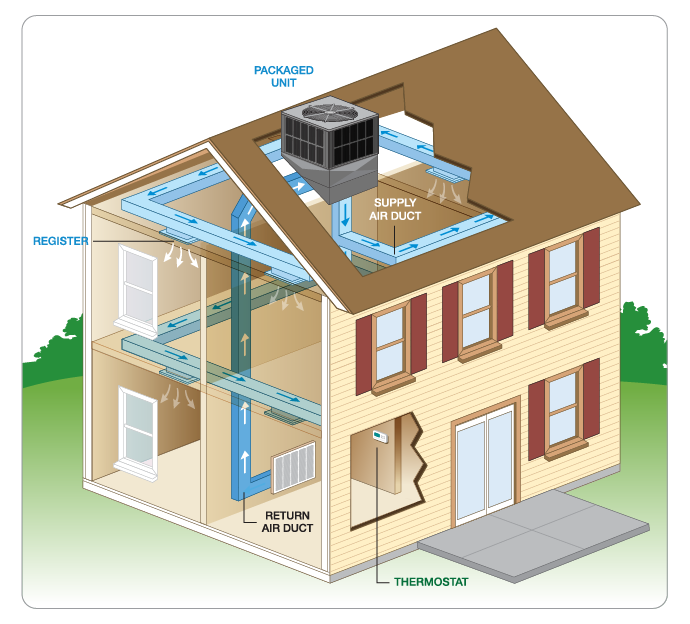
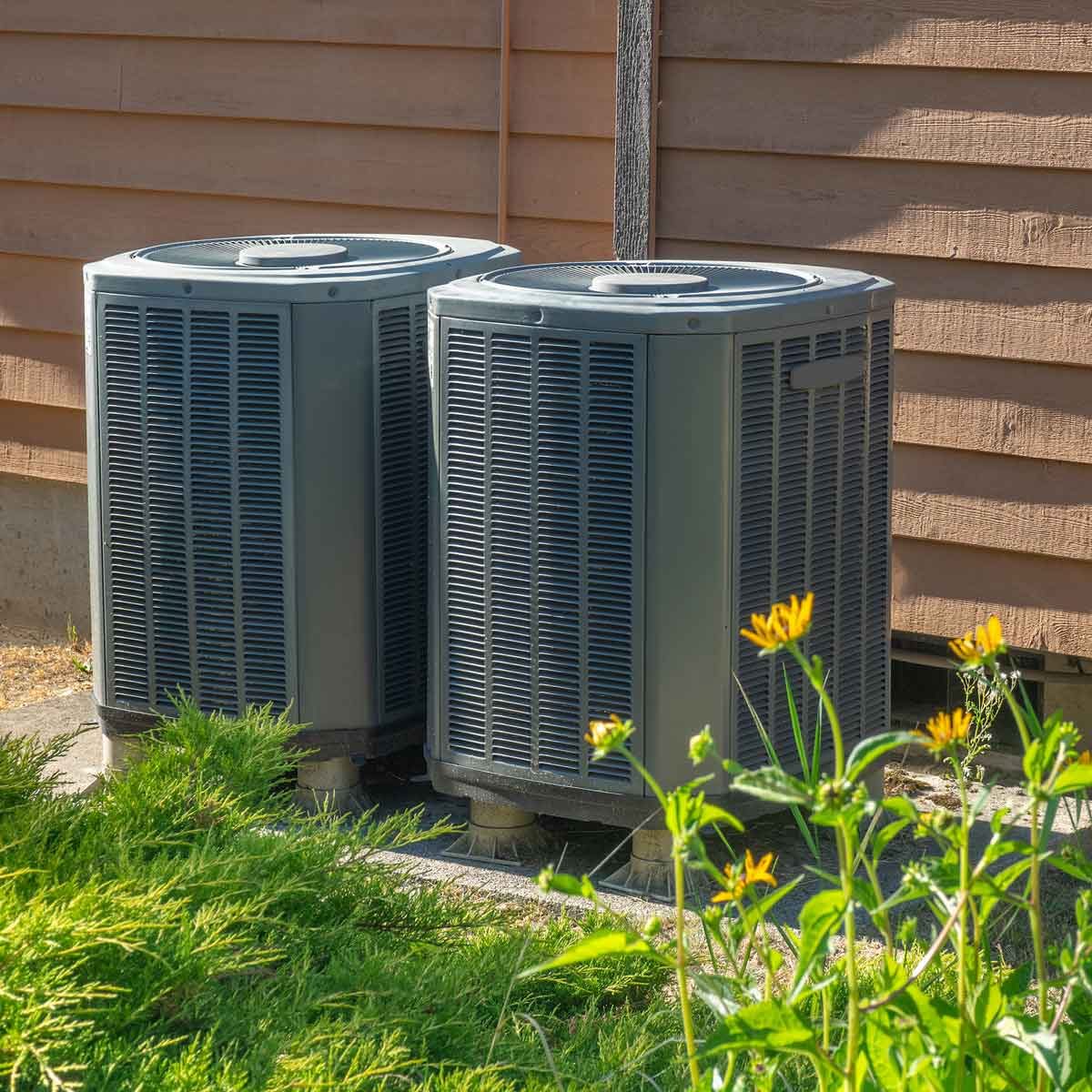
So, what exactly is an HVAC system? In simple terms, it’s a combination of technologies designed to regulate temperature, humidity, and air quality within a given space. Think of it as the lungs and circulatory system of a building. The heating component provides warmth, usually through furnaces, boilers, or heat pumps. The ventilation component ensures fresh air circulates, preventing stuffiness and removing pollutants. And the air conditioning component cools the air, removing humidity and providing relief from the heat.
The benefits of a well-functioning HVAC system extend far beyond simple comfort. Proper ventilation can significantly improve indoor air quality, reducing allergens, dust, and even airborne viruses. This is especially crucial in environments like schools and hospitals. In classrooms, a comfortable and well-ventilated environment can lead to better concentration and improved learning outcomes. Studies have even shown a link between good indoor air quality and fewer sick days! In our homes, a reliable HVAC system can prevent mold growth, protect our belongings from humidity damage, and, of course, keep us comfortable year-round.
Must Read
You encounter HVAC systems everywhere. Consider a large office building with a central HVAC system that uses chillers and boilers to maintain a consistent temperature throughout multiple floors. Or picture a modern home with a zoned system, allowing different rooms to be heated or cooled independently, maximizing energy efficiency. Even your car's climate control is a mini-HVAC system! In education, HVAC systems are sometimes used as examples in physics and engineering classes to teach concepts like thermodynamics, fluid dynamics, and heat transfer. Students might even design and build small-scale HVAC models to understand the principles involved.
Want to explore HVAC systems further? Here are a few simple ideas:
- Check your home’s thermostat. Take a look at the different settings and try to understand how they control the heating and cooling.
- Research different types of filters. Learn about MERV ratings and how filters impact air quality.
- Listen to your HVAC system. Pay attention to any unusual noises that might indicate a problem.
- Consider an energy audit. Many companies offer free or low-cost energy audits to help you identify ways to improve your home’s energy efficiency, including your HVAC system.
Ultimately, the "best" HVAC system is one that meets your specific needs, budget, and environmental concerns. By understanding the basics of how these systems work, you can make informed decisions about maintaining a comfortable and healthy indoor environment.