
What Is The Best Heat Temperature For House
Okay, picture this: I'm huddled under a mountain of blankets, looking like a burrito gone wrong. It's December, the snow's coming down sideways, and I'm still shivering. My thermostat? Blasting a toasty 75 degrees. Sounds ridiculous, right? My roommate, meanwhile, is in shorts and a t-shirt, complaining it's too cold. (Seriously, Sarah, are you a polar bear in disguise?) That's when I realized: "Best heat temperature" isn't a one-size-fits-all kind of deal.
So, what is the magic number? Let's dive in!
The Comfort Zone: Finding Your Happy Place
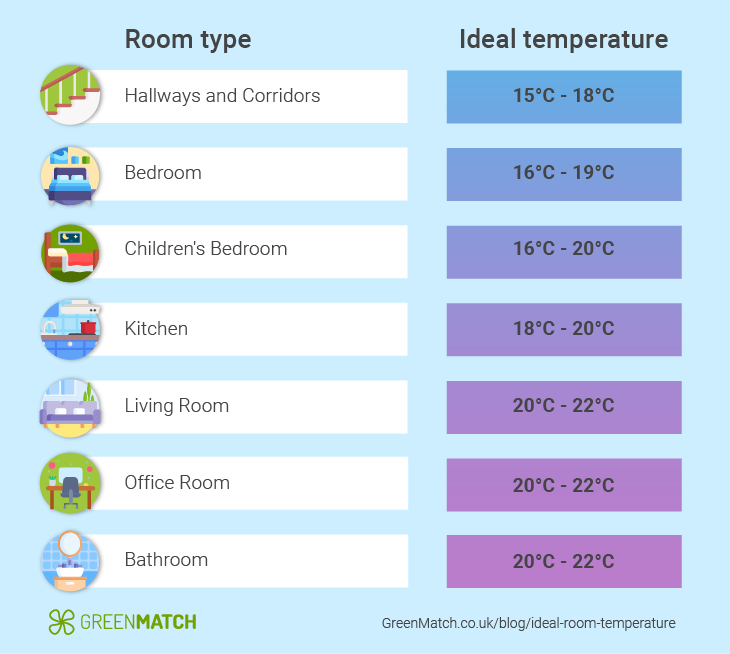
First off, let’s acknowledge the obvious: comfort is subjective. What makes you feel like you’re lounging on a tropical beach might make your neighbor feel like they’re trapped in a sauna. However, experts (you know, the science-y types) generally recommend aiming for a temperature between 68°F and 72°F (20°C - 22°C) during the day when you're active. This range is considered optimal for both comfort and energy efficiency.
Must Read
Side note: If you’re perpetually cold like me, maybe invest in some fuzzy socks and a good electric blanket before cranking the heat. Your wallet will thank you!
But don't just take my word (or the experts') for it. Experiment! See what feels best for you. Pay attention to your body. Are you sweating? Are you shivering? Adjust accordingly! A smart thermostat can really help with this, allowing you to program different temperatures for different times of the day.

Saving Green (and Being Green): Energy Efficiency is Key
Okay, let's talk money. Heating costs can be a real killer, especially during those long winter months. Turning your thermostat down even a few degrees can make a significant difference in your energy bill. The U.S. Department of Energy suggests setting your thermostat to around 68°F (20°C) during the day and lower when you're asleep or away from home.
Pro tip: For every degree you lower your thermostat for eight hours a day, you can save around 1% on your heating bill. That adds up!

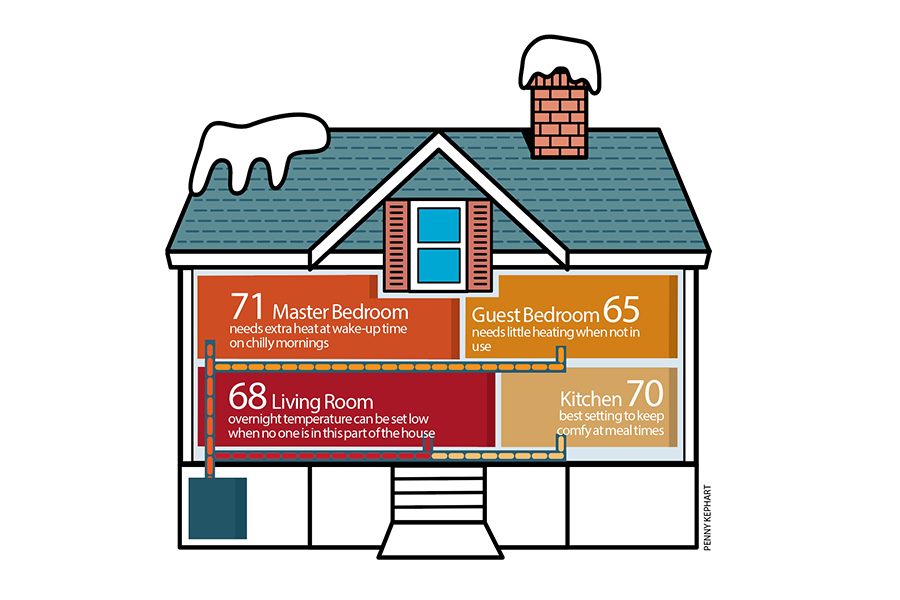
Think about it: when you're sleeping, your body temperature naturally drops. So, cranking up the heat is essentially just heating an empty room. Consider lowering the thermostat to 60-67°F (15-19°C) at night. You can always add an extra blanket!
And when you're away at work or on vacation? Lower it even further! Why heat a house that nobody's using? A programmable thermostat can automate this for you, so you don't even have to think about it. Talk about a win-win!

The Sleep Factor: Sweet Dreams or Sweaty Nightmares?
Speaking of sleep, did you know that the temperature of your bedroom can significantly impact your sleep quality? Sleep experts recommend a slightly cooler temperature for optimal sleep. As mentioned before, somewhere between 60-67°F (15-19°C) is generally considered ideal.
Why? Because your body temperature naturally decreases as you fall asleep. A cooler room helps facilitate this process, allowing you to drift off more easily and stay asleep longer. A too-warm room, on the other hand, can disrupt your sleep and leave you feeling groggy in the morning.
Personal anecdote: I used to crank up the heat in my bedroom, thinking it would make me sleep better. Turns out, I was just tossing and turning all night, waking up feeling like I'd run a marathon in my sleep. Lowering the thermostat made a world of difference!
Beyond the Thermostat: Other Factors to Consider
Of course, your thermostat isn't the only thing that affects your comfort level. Other factors to consider include:
- Insulation: A well-insulated home will retain heat more efficiently, allowing you to set your thermostat lower.
- Drafts: Seal any drafts around windows and doors to prevent heat loss.
- Clothing: Dress in layers!
- Activity Level: If you're exercising, you'll naturally feel warmer than if you're sitting still.
- Personal Preference: At the end of the day, it's all about what makes you feel comfortable.
So, what's the "best" heat temperature for your house? The answer, as you've probably guessed, is: it depends! Experiment, be mindful of your energy consumption, and find the temperature that keeps you comfortable without breaking the bank. Good luck, and stay warm (but not too warm)!