
What Is The Average Gas Bill
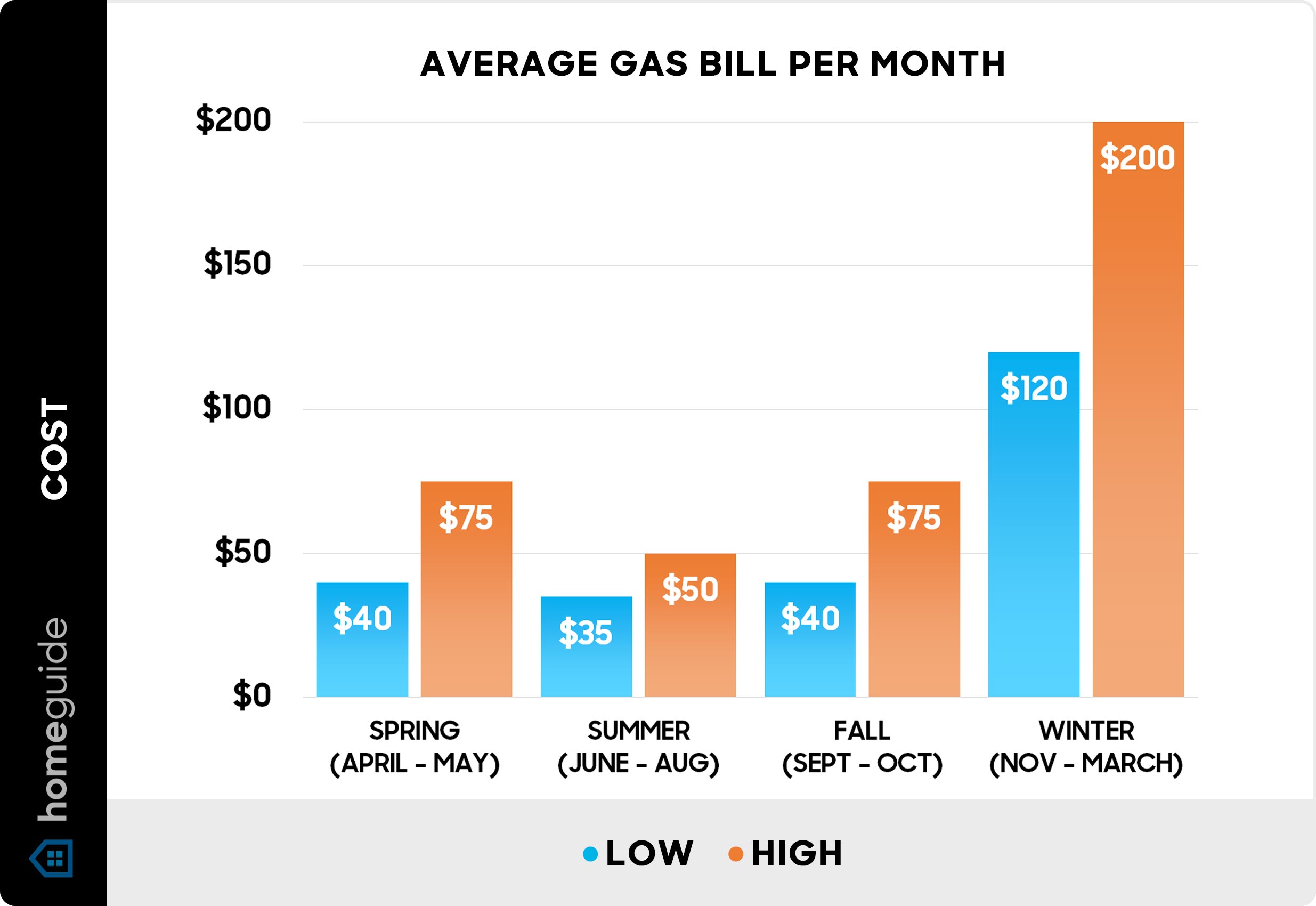
Ever torn open an envelope from the gas company, or clicked open an email statement, and felt that little pang of curiosity? You know the one – "Is this normal? Am I using too much? What even is the average gas bill?" It's a question many of us ponder, often in silence, as we scroll past the numbers. But instead of letting it be a mystery, why not lean into that curiosity? Exploring the "average gas bill" isn't just about comparing numbers; it's a fun, practical peek into how our homes operate, how we use energy, and how we can be a little smarter about our wallets and the planet.
The primary purpose of understanding the average gas bill is incredibly practical: it helps us make sense of our own expenses. Think of it as a handy benchmark. If your bill is consistently much higher than the average for similar homes in your area, it might signal an efficiency problem – maybe your furnace needs a tune-up, your insulation is lacking, or perhaps your thermostat is set a bit ambitiously. Conversely, if you're consistently below average, pat yourself on the back for your energy-saving habits! The ultimate benefit is gaining a sense of control and empowerment over a significant household expense, leading to better budgeting and potentially considerable savings. It’s also about fostering a gentle awareness of our energy consumption, which has broader implications for environmental sustainability.
So, where does this "average" come into play in our daily lives and even in education? In daily life, knowing the average can be incredibly useful when moving to a new area. Researching typical utility costs helps you budget accurately before you even sign a lease. It’s also invaluable when you're considering home improvements like upgrading an old furnace or adding insulation; you can project potential savings by comparing your current bill to an estimated lower average. In an educational context, understanding utility bills ties directly into real-world math lessons about averages, percentages, and data analysis. It can also be incorporated into discussions about economics (supply and demand for energy), environmental science (carbon footprint, energy conservation), and even civics (understanding public utilities and regulations).
Must Read
Ready to satisfy your own curiosity? Here are some simple, practical ways to explore the average gas bill without feeling like a detective. First, check your own past bills. Look for annual summaries or track your usage over a year. Many utility companies provide online portals where you can see your historical data and even compare your usage to anonymized averages for similar homes in your neighborhood. Second, visit your local utility provider's website. They often publish statistics on average residential gas usage or costs for their service area. Remember that factors like climate, house size, number of occupants, and home age significantly impact these numbers. Finally, try a quick online search for "average gas bill [your state/city]." You’ll find articles and data from energy agencies or financial planning sites. Just remember to take these figures with a grain of salt and consider what makes your home unique. It’s not about hitting an exact number, but about gaining a general understanding to help you better manage your own energy story.


.jpg?sfvrsn=adcab20d_2)