
What Is Room Temp Celsius

Alright, pull up a chair, grab your imaginary latte, because we're about to dive into one of life's great, bewildering mysteries: What in the blazes is room temperature in Celsius? It sounds simple, right? Like asking for the time. But trust me, it’s a rabbit hole of delightful ambiguity and mild societal chaos, especially if you’re trying to set a thermostat.
You’d think there’d be one definitive, carved-in-stone number, wouldn't you? Like, "Room temp is 21.5°C, no ifs, ands, or slightly chilly butts about it!" But oh no, my friend, that would be far too easy. It turns out, "room temperature" is less a scientific constant and more a vibe. A collective, slightly argumentative human vibe.
The Great Celsius Conundrum: Is There Even a Number?
So, what's the deal? If you ask a bunch of people, you'll get a range that would make a weather forecaster blush. Some say 20°C. Others, with their perpetually warm blood or a fierce love for knitwear, might insist on 22°C. Then there are the brave souls who thrive in 25°C, practically living in a tropical paradise while the rest of us are subtly fanning ourselves with stray receipts.
Must Read
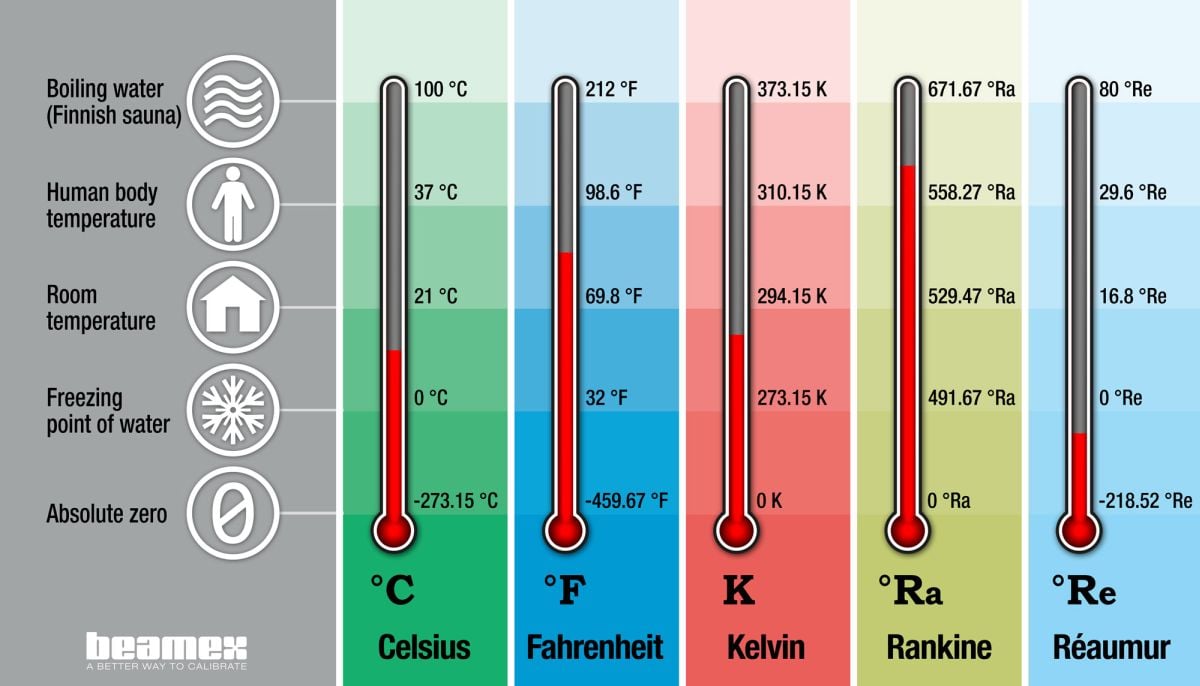
But if we're forced to pick a range for general comfort, most sources – from your HVAC technician to that slightly judgmental Google search – will tell you that a comfortable, generally accepted room temperature in Celsius hovers somewhere between 20°C and 25°C. Think of it as the Goldilocks zone: not too hot, not too cold, just… vaguely right.
However, let's get a smidge more specific for the truly curious. Many official standards, particularly those in scientific labs or for storing certain products (like, say, that fancy wine you refuse to chill), often cite a narrower range. For example, you might see "ambient temperature" specified as 18°C to 22°C. This is often when precision matters more than your uncle's comfort levels during a board game marathon.
So, right off the bat, we're dealing with a glorious lack of consensus! It's like asking for the perfect amount of cheese on pizza – everyone has an opinion, and all of them are passionately defended. This isn't just about personal preference, though. Oh no, there’s more to this temperature tango.
Why So Fickle, Room Temp? The Many Moods of Celsius
The truth is, "room temperature" isn't just a number; it's a reflection of context. First up, there’s human comfort. What feels pleasant to a polar bear enthusiast living in Canada might feel like a blast furnace to someone from the equator. Our bodies adapt, and our ideal comfort zone shifts with our environment and even our genetics. It’s why office thermostats are the source of more inter-departmental strife than budget meetings.
Then there's the season. In winter, 20°C inside feels positively balmy, a cozy refuge from the icy clutches of outside. You'll likely layer up a bit, maybe sip some hot tea. But come summer, that same 20°C can feel a little chilly, even invigorating, especially if it's 35°C outside and you're dreaming of an arctic expedition. Our perception is constantly recalibrating, like a fussy internal thermometer with an attitude.
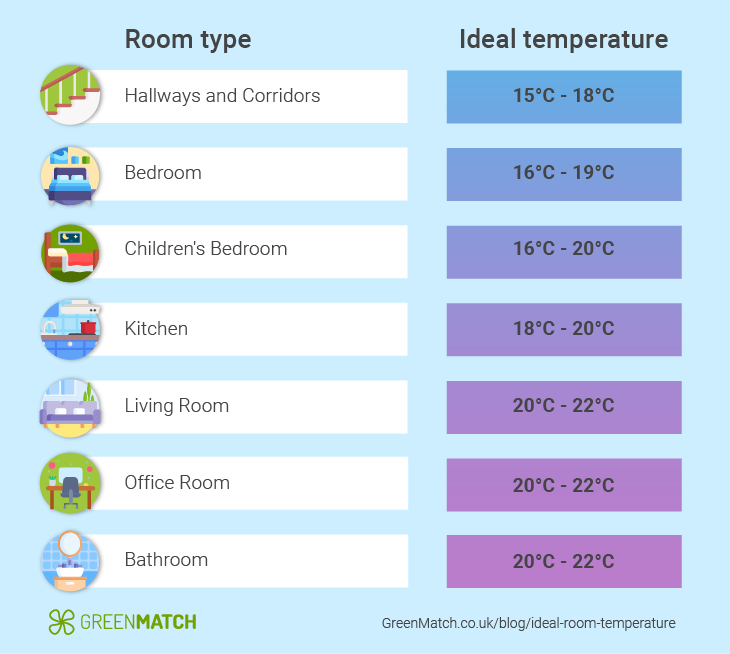
And let's not forget the purpose of the room. A server room? They're aiming for a chillier 18-20°C to keep those precious processors from melting into a puddle of silicon despair. A nursery for newborns? Likely a bit warmer, around 22-24°C, because tiny humans are notoriously bad at regulating their own temperatures (and complaining about it, thankfully). Your grandma's living room? Probably a toastier 24°C, because grandmas have earned the right to live in perpetual warmth, no questions asked.
A Brief Detour for Our Fahrenheit Friends (and a Nod to the Absurd)
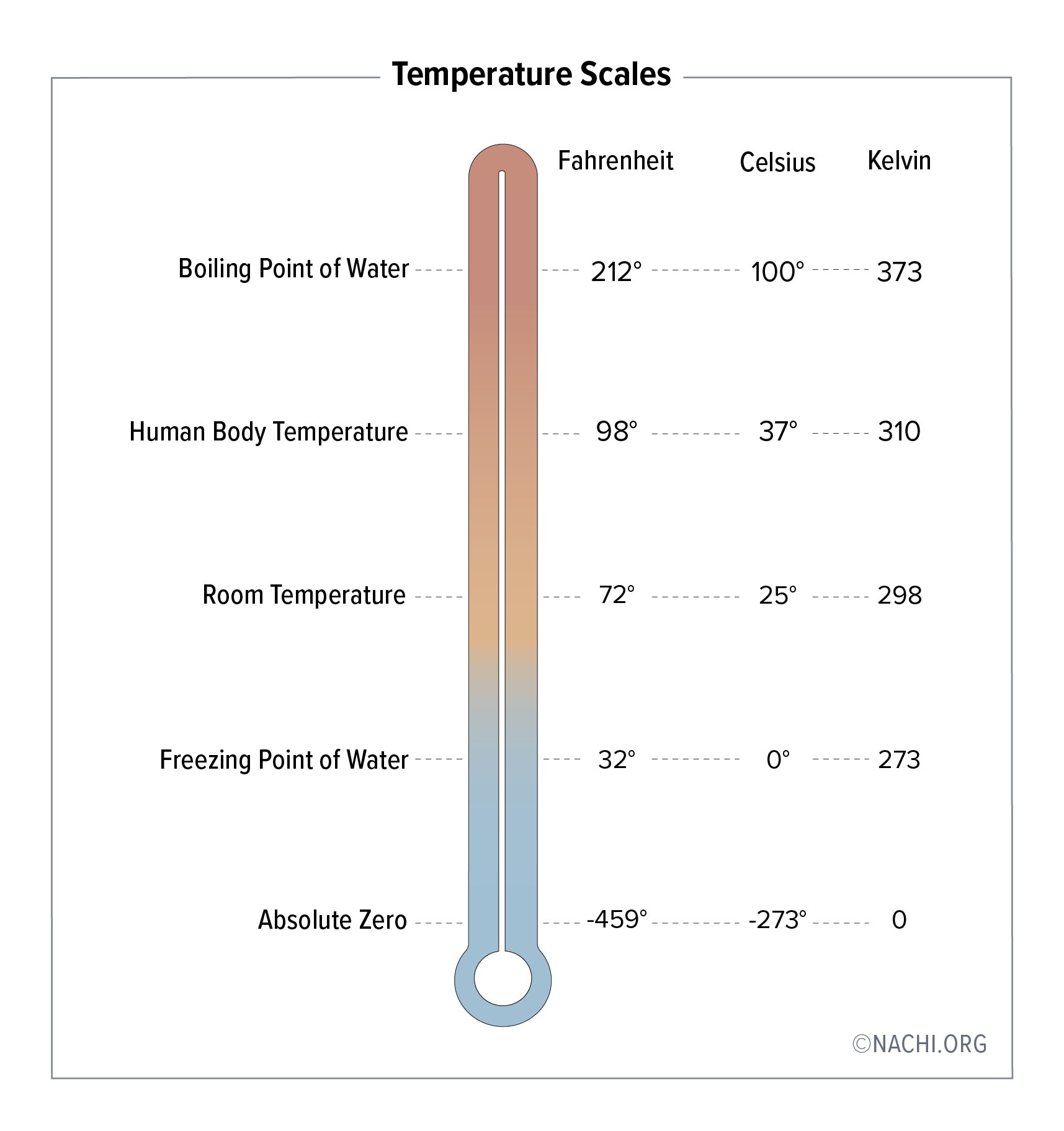
Just to put it into perspective for our American pals who are still clinging to Fahrenheit like it's a national treasure (bless their hearts!), 20°C is about 68°F, and 25°C is a balmy 77°F. So, when someone tells you their room is "68 degrees," know that's essentially 20°C, a perfectly reasonable, non-extreme temperature. It’s just expressed in numbers that look a little wilder to the Celsius-attuned eye.
Isn't it hilarious, though? We've sent probes to Mars, mapped the human genome, and can order a pizza with our minds, but we can't collectively agree on what constitutes "room temperature." It’s a testament to our wonderful, messy, diverse human experience. Because ultimately, room temperature isn't some fixed scientific constant of the universe. It's a deeply personal, often negotiated, sensation.
So, the next time someone asks you what room temperature is, you can confidently (and humorously) tell them: "It's anywhere between 18 and 25 degrees Celsius, depending on who you ask, what you're doing, and whether or not it's tax season. Basically, it's the temperature at which humanity can mostly agree not to riot." And then you can enjoy your imaginary latte, knowing you've just unravelled one of life's delightful, lukewarm mysteries.
