
What Is Rh On A Carbon Monoxide Detector

Alright, settle in, grab your imaginary latte, because we're about to dive deep into one of life's truly brain-frazzling enigmas. You know the drill: you're puttering around the house, maybe admiring your sparkling clean baseboards (or, let's be real, just trying to remember where you put your keys), and your eyes land on that little rectangular gadget on the wall. Your carbon monoxide detector. It’s silently standing guard, a humble hero. But then, you see it. A symbol. Two letters.
"Rh."
Cue the dramatic music! Or maybe just the sound of your own internal monologue yelling, "What in the actual heck is that?!" Is it short for "Rhinoceros horn level"? Perhaps "Really hot in here, boss"? Or did the engineers just get lazy and abbreviate "Right here, buddy, we're detecting something!"?
Must Read
The Great "Rh" Mystery: A Puzzling Plot Twist!
Let me stop you right there, dear reader, before you start frantically Googling ancient Egyptian hieroglyphs or calling the manufacturer to demand an explanation in no uncertain terms. Because here's the first plot twist, and it's a doozy:
Most standalone carbon monoxide detectors actually don't have "Rh" on them at all!
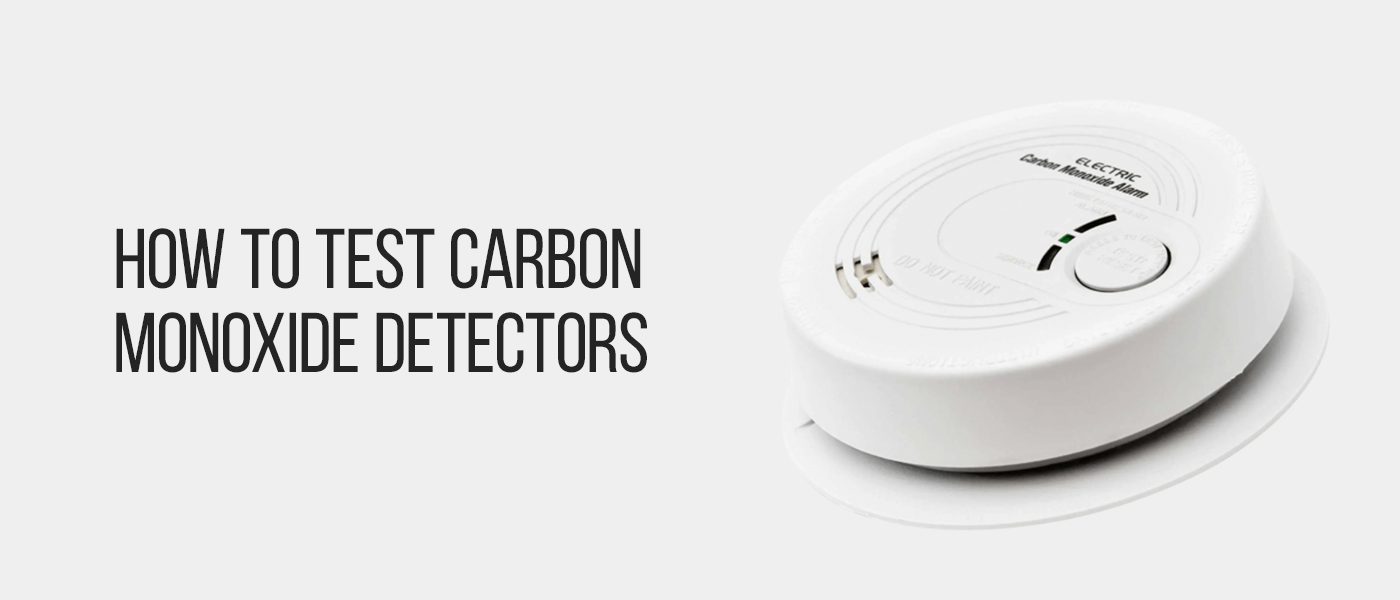
Shocking, right? It's like finding out that the secret ingredient in your grandma's famous cookie recipe is just... flour. White, ordinary, non-magical flour. For the vast majority of CO detectors out there, their sole purpose in life is to sniff out that sneaky, invisible killer gas. They're like highly specialized, silent ninjas, and they don't really care about the weather.
So, If Mine Has It, Am I Special? (Or Just Confused?)
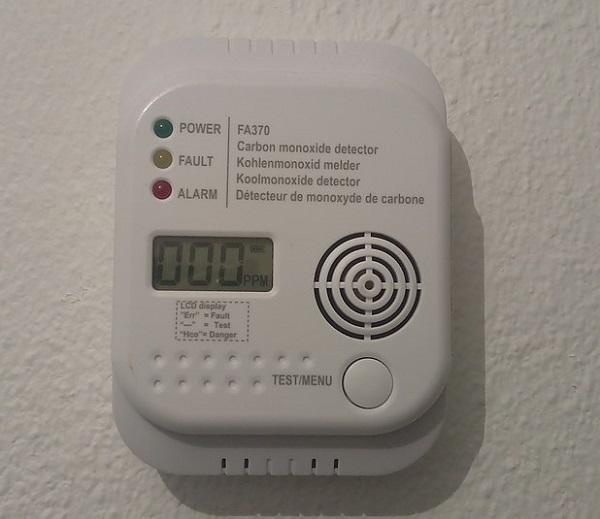
Now, if you're sitting there, smugly staring at your detector right now, pointing a finger and muttering "Aha! Mine does have Rh!", then congratulations! You likely own a device that's a bit more of a multi-tasker. We're talking about the Swiss Army knife of home safety gadgets: a combination detector or an indoor air quality monitor.
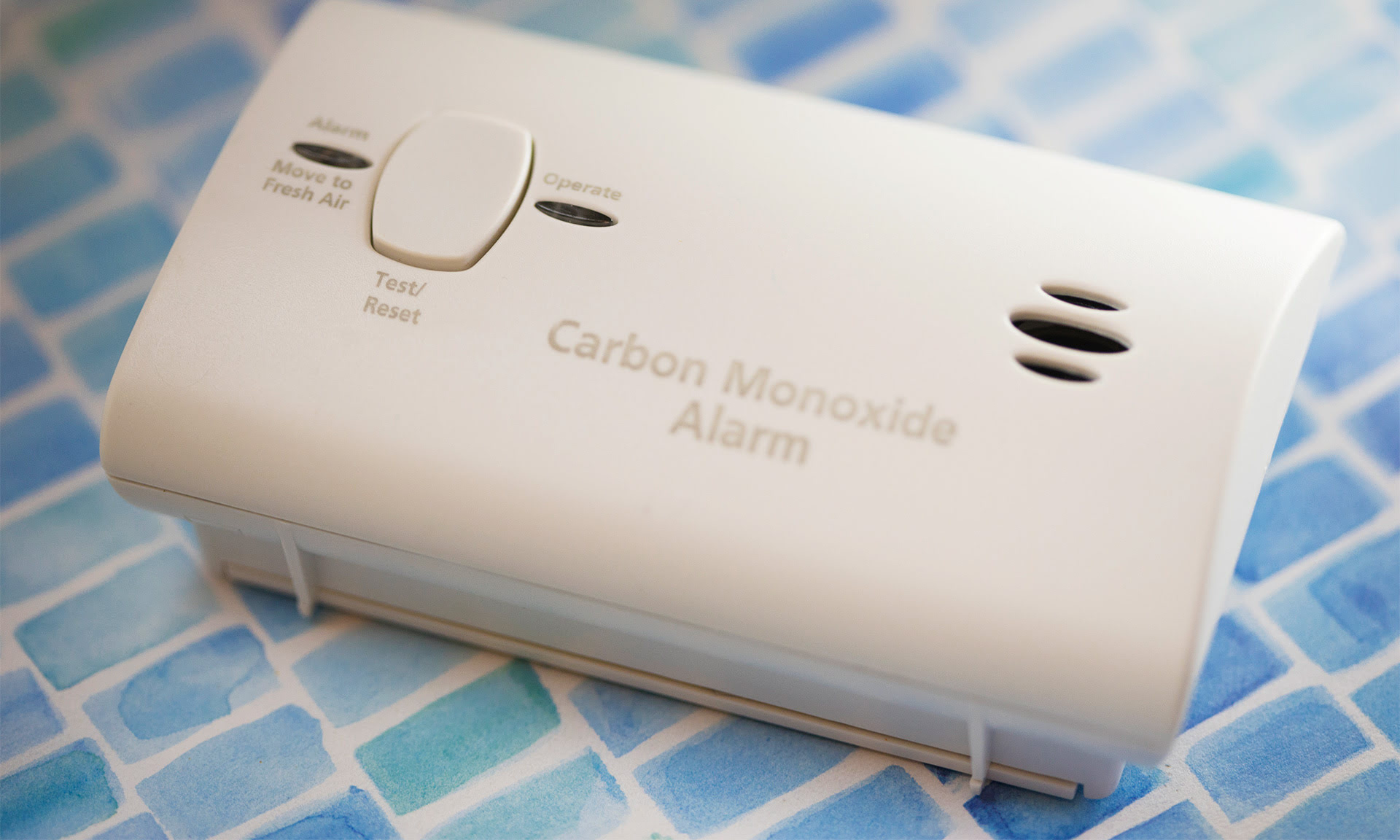
These clever little machines don't just stop at carbon monoxide. Oh no. They might also be checking for smoke, or volatile organic compounds (VOCs, which sound much scarier than they often are), or even the bane of many a damp basement: mold-friendly conditions. And that, my friend, is where our mysterious "Rh" finally makes its grand, non-rhinoceros-related entrance.
Unveiling the "Rh" Secret: It's All About H₂O!
Prepare yourself, because the truth, while perhaps less exciting than a secret society of appliance engineers, is actually quite practical. "Rh" stands for Relative Humidity.
Yep, you heard that right. It's about how much water vapor is floating around in your air, looking for a place to condense and generally make things feel sticky. Think of it like this: your air is a sponge. Relative humidity tells you how saturated that sponge is, expressed as a percentage. 100% Rh? That's a super-saturated sponge, probably leading to a very steamy bathroom or a tropical rainforest in your living room. 0% Rh? Bone dry, like a desert, or perhaps my last attempt at baking a soufflé.
Why Does My Detector Care If My Air Feels Like a Swamp?
Excellent question! For a dedicated carbon monoxide sensor, relative humidity usually isn't a huge factor. They're built tough. But for those more advanced, multi-purpose sensors, humidity can be a bit of a diva. Here's why:
- Sensor Accuracy: Some types of sensors, especially those measuring VOCs or even certain smoke detectors, can have their readings slightly influenced by humidity levels. Too high or too low, and their accuracy might wobble a bit, like a wobbly chair at a café.
- Comfort and Health: Your combination detector might be displaying Rh to simply tell you if your indoor environment is comfortable. Too high humidity encourages mold and mildew growth (gross!), while too low can dry out your sinuses and make your skin feel like sandpaper.
- Long-Term Health of the Device: Extreme humidity can, over a very long time, sometimes affect the internal components of delicate electronics. Your detector isn't just protecting you, it's subtly trying to protect itself from becoming a rusty lump of plastic!
So, if your detector proudly displays "Rh," it's not trying to confuse you; it's just being extra thorough. It's giving you a more complete picture of your indoor air quality, which is actually pretty thoughtful when you think about it.

The Real Takeaway: Your Carbon Monoxide Superhero
Whether your detector is a simple, no-frills CO-only guardian or a fancy multi-sensor marvel, the most important thing to remember is its primary mission: detecting carbon monoxide. This stuff is seriously dangerous. It's an invisible, odorless, tasteless gas produced by faulty fuel-burning appliances (think furnaces, gas stoves, fireplaces, cars in enclosed spaces). It replaces oxygen in your blood, and you won't even know it's happening until it's too late.
So, Rh or no Rh, remember these vital bits:
- Test it regularly: Press that test button! Make sure it shrieks like a banshee.
- Check the expiry date: Yep, they don't last forever. Most expire after 5-7 years. Look for a "replace by" date.
- Placement matters: Don't stick it behind a curtain or near a window. Follow the manufacturer's instructions for optimal placement, typically near sleeping areas and on every level of your home.
So there you have it. The mysterious "Rh" is not a secret code for alien invasion or the price of tea in China. It's just a friendly reminder about how much moisture is sharing your air. Now you can go forth, armed with this enlightening knowledge, and never again stare blankly at your detector, wondering if it's silently judging your interior decorating choices or if a tiny rhinoceros has somehow gotten inside.