
What Is Needed For The Formation Of A Hurricane
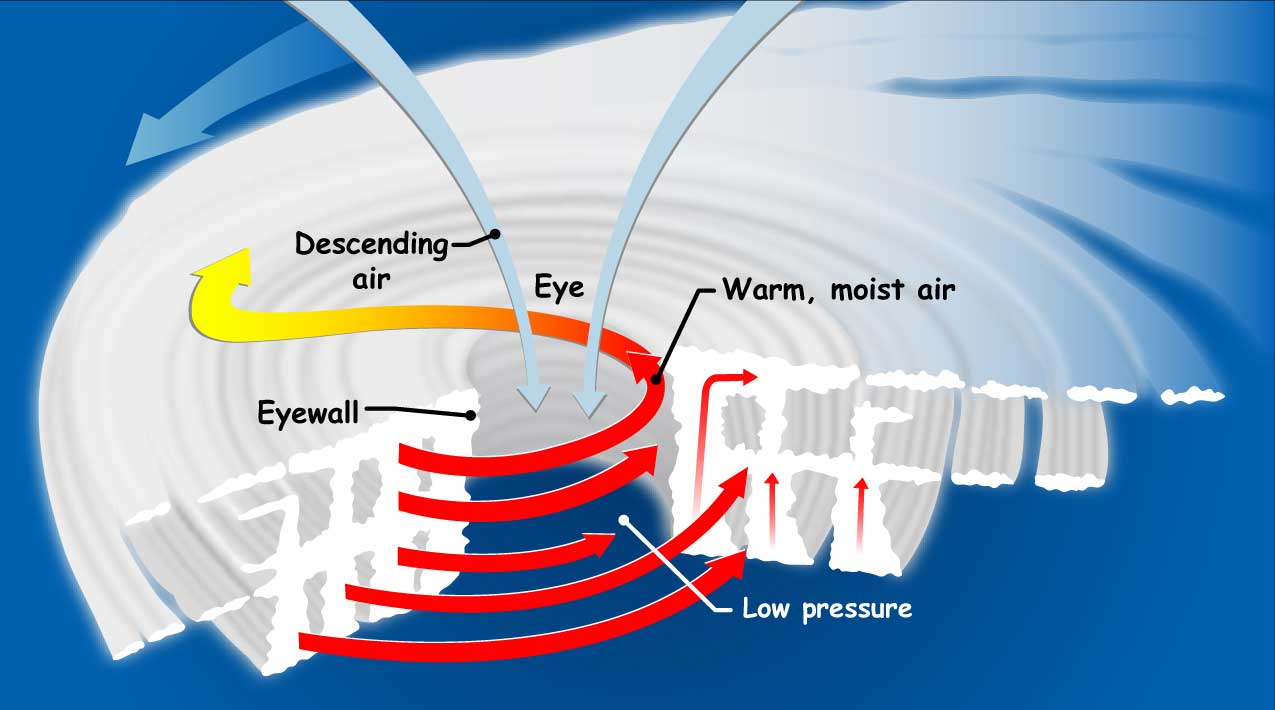
Ever wondered what it takes to whip up a hurricane? (No, we're not talking about the cocktail!) It's a fascinating blend of atmospheric ingredients, and understanding them can make you feel like a real-life weather wizard! Let's dive in, shall we?
Warm Ocean Waters: The Fuel
First and foremost, you need warm ocean water. We're talking at least 80 degrees Fahrenheit (around 26.5 degrees Celsius). Why so warm? Well, this warm water acts as the hurricane's fuel. Think of it like gasoline for a car, or spinach for Popeye! The warmer the water, the more energy available to power this incredible storm.
As the warm water evaporates, it rises into the atmosphere. And guess what happens as that water vapor rises? It cools and condenses, forming clouds. This condensation releases heat, which then warms the surrounding air, causing it to rise even faster. It's a self-perpetuating cycle! Kind of like when you finally figure out how to use that fancy coffee maker – suddenly, you can't stop using it!
Must Read
Moist, Unstable Air: The Kindling
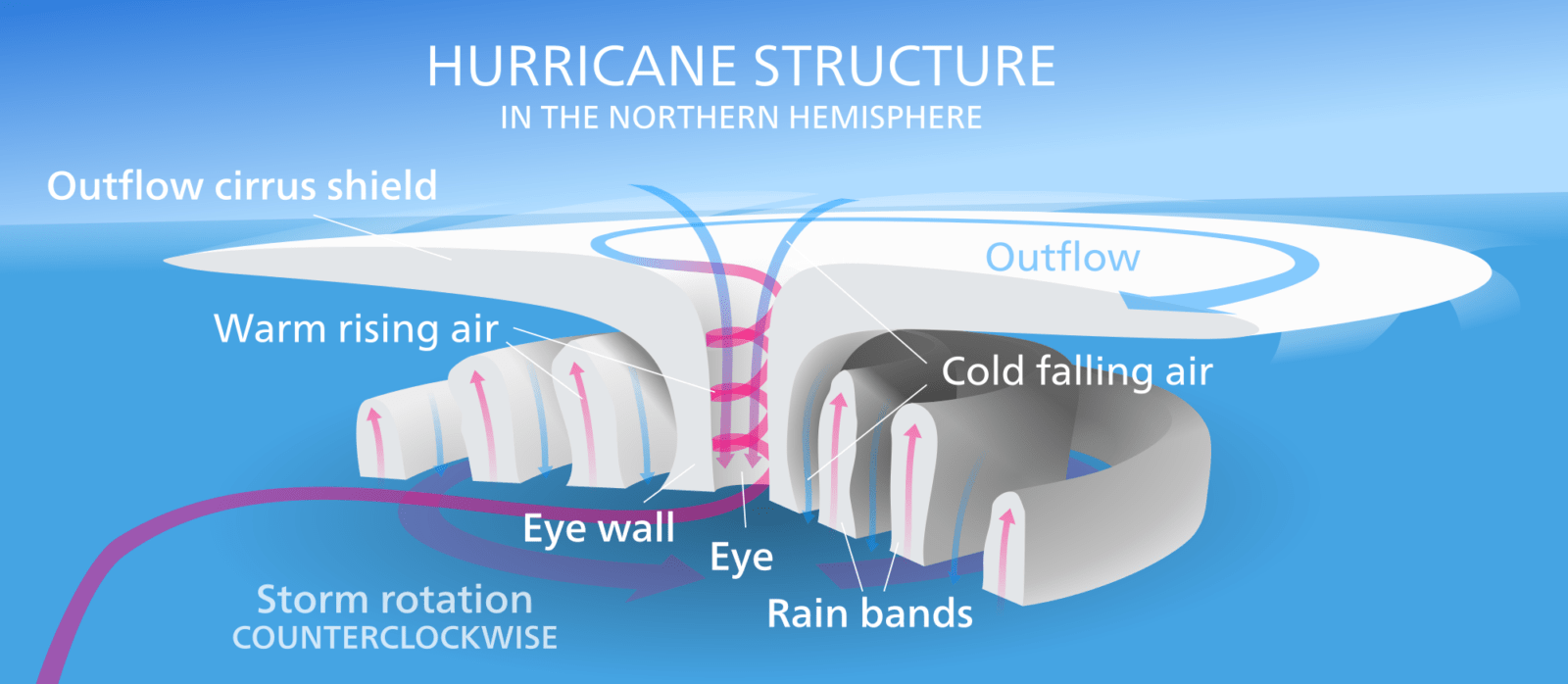
Next up, we need moist, unstable air. Imagine the atmosphere as a giant soup, and you need the right broth. Unstable air basically means that warm air near the surface wants to rise. This is because it's less dense than the cooler air above it. Think of it like a hot air balloon – the warm air inside makes it buoyant and rise.
And the "moist" part? That's crucial! As the warm, moist air rises and cools, the water vapor condenses into those rain clouds. More moisture means more clouds, and more clouds mean... you guessed it... more rain! (And potentially a very soggy day for you!).
Low Vertical Wind Shear: The Stability
Now, here's where it gets a little tricky: we need low vertical wind shear. What in the world is wind shear, you ask? It's basically the change in wind speed or direction with height. Too much wind shear is like having a wobbly table – it disrupts the storm's structure and can tear it apart. We want things nice and stable so the hurricane can really get going.
Think of it like building a sandcastle. You need a solid foundation (warm water), good sand (moist air), and calm conditions (low wind shear) so it doesn't get knocked over by a rogue wave! The same principle applies here! A hurricane needs to build its structure vertically, and too much wind shear will prevent that.
A Pre-Existing Disturbance: The Spark
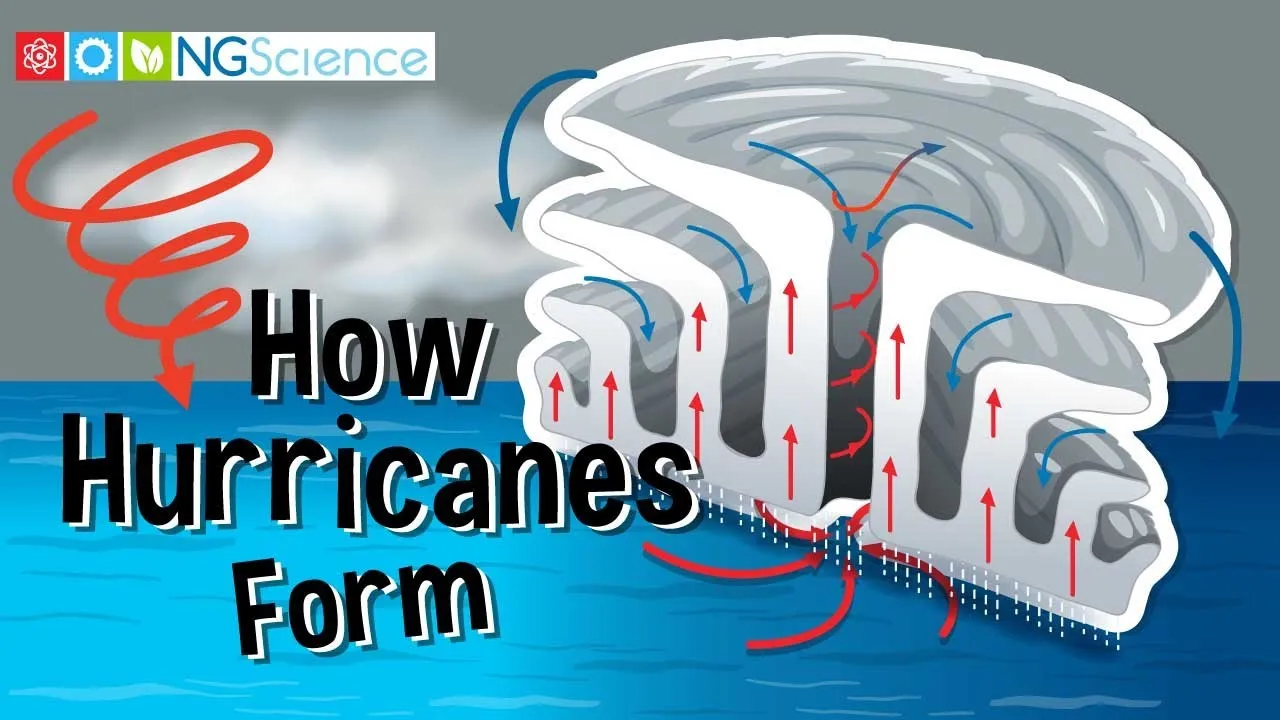
Hurricanes don't just pop out of nowhere. They typically need a pre-existing disturbance, like a tropical wave or a cluster of thunderstorms, to get things started. These disturbances provide the initial lift and spin needed to organize the storm.
It's like needing a little push to start a swing. The pre-existing disturbance gives the warm water and moist air a nudge in the right direction. Without it, those ingredients might just sit there doing nothing, like a perfectly good cake mix gathering dust in the pantry.
Coriolis Force: The Spin
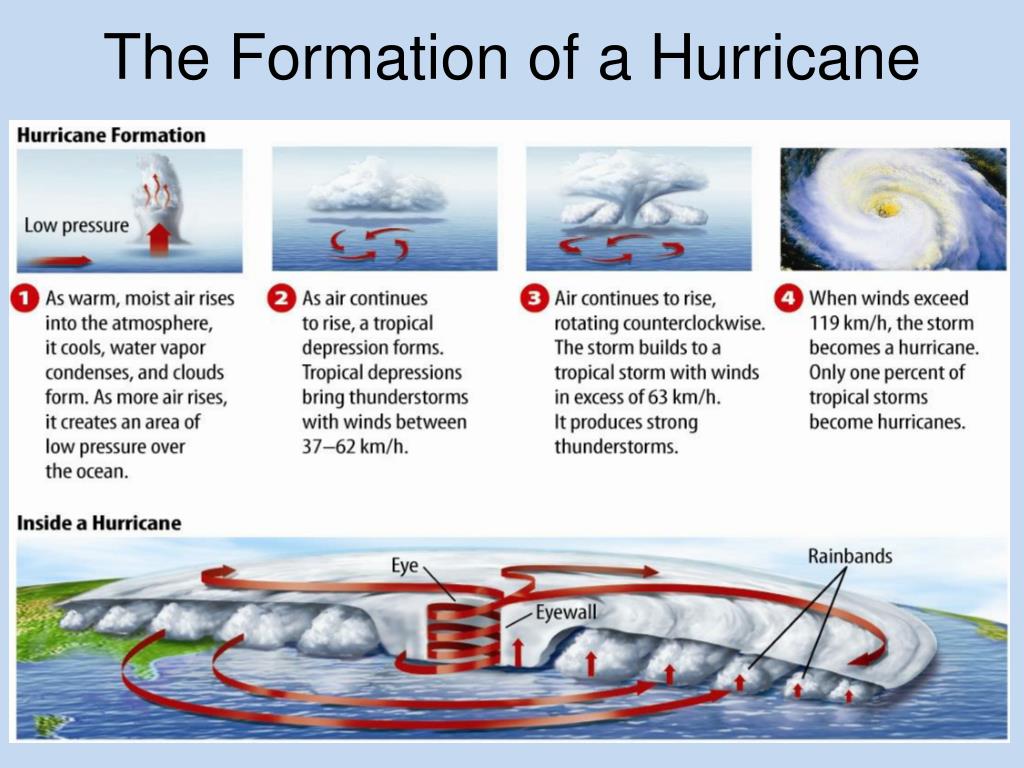
Last, but certainly not least, we need the Coriolis force. This is a force caused by the Earth's rotation that deflects moving objects (like air) to the right in the Northern Hemisphere and to the left in the Southern Hemisphere. This deflection is what gives hurricanes their spin. Pretty cool, right?
Think of it like throwing a ball to someone on a merry-go-round. By the time the ball reaches them, they've moved, and the ball appears to curve. The Earth's rotation has a similar effect on the air currents in a hurricane, causing it to swirl! Without the Coriolis force, we'd just have disorganized thunderstorms instead of these powerful rotating storms.
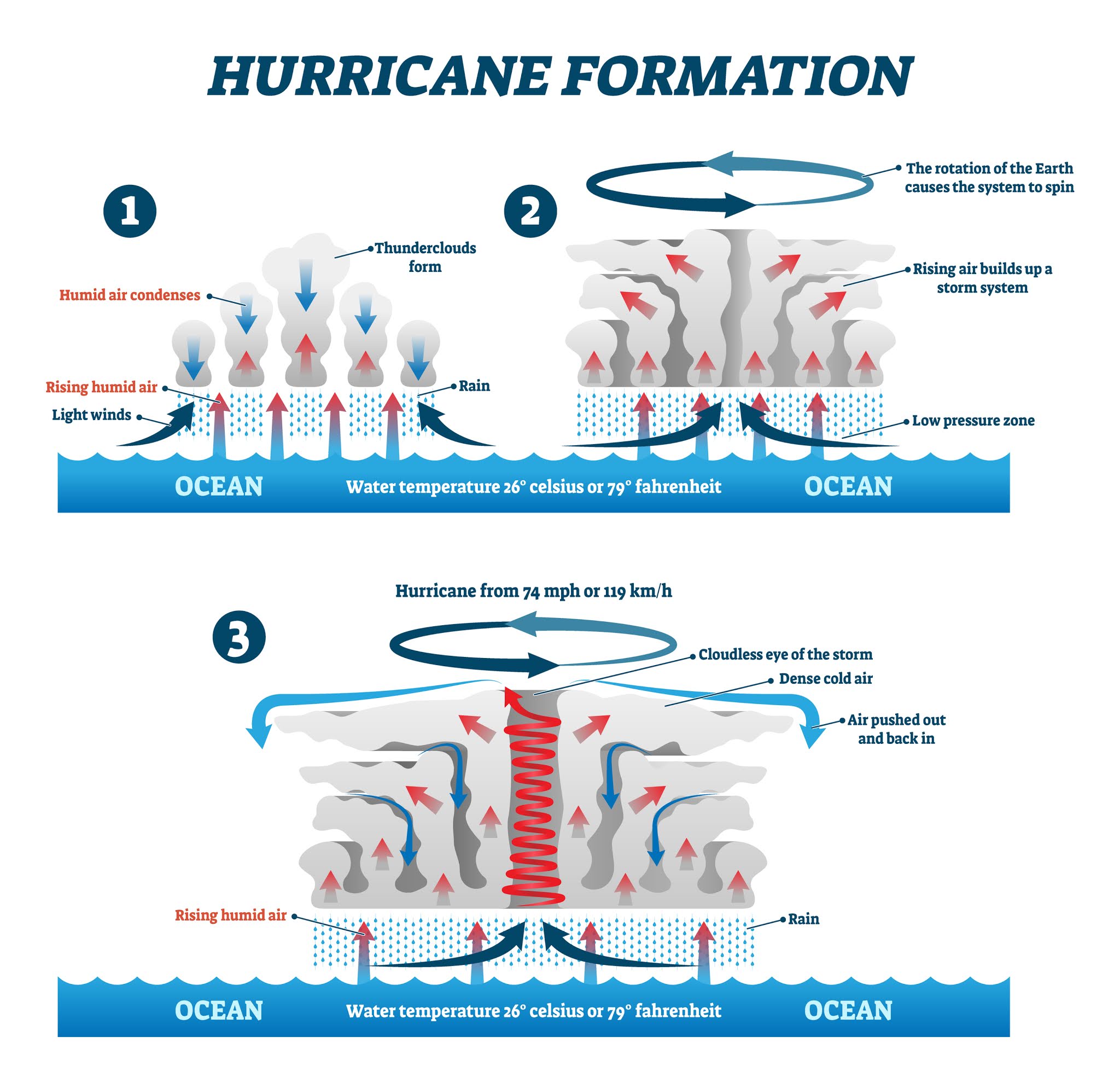
So, to recap, a hurricane needs: warm ocean waters, moist unstable air, low vertical wind shear, a pre-existing disturbance, and the Coriolis force. It’s quite the recipe, isn't it?
Understanding the formation of a hurricane is more than just a science lesson; it's about appreciating the power and complexity of nature. It's about recognizing the intricate dance of atmospheric forces that shape our world. And honestly, it makes watching the weather forecast a whole lot more interesting!
Feeling inspired? Good! There's a whole universe of weather phenomena waiting to be explored. From learning about El Niño and La Niña to understanding the jet stream, the more you learn, the more you'll appreciate the incredible planet we live on. Go ahead, dive deeper! The sky's the limit (pun intended!).