
What Is More Dangerous A Hurricane Or Tornado

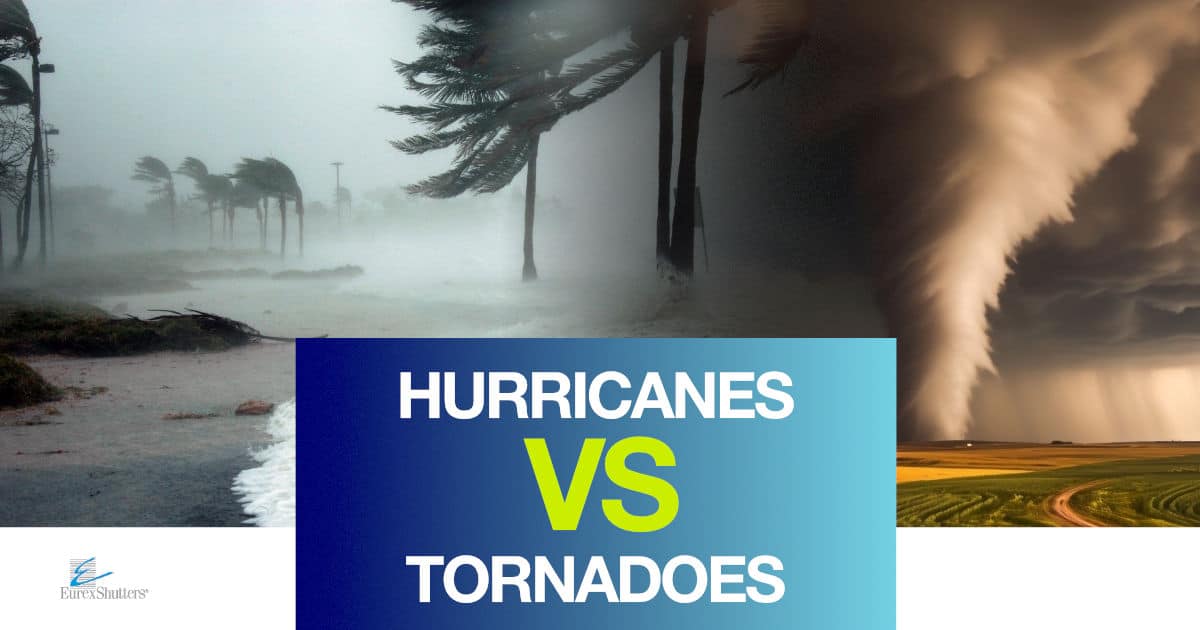
Alright folks, let's dive into a swirling showdown: Hurricanes versus Tornadoes! Which one packs a bigger punch of pure, unadulterated weather chaos? It's time to settle this meteorological mayhem once and for all!
Round 1: Size Matters (or Does It?)
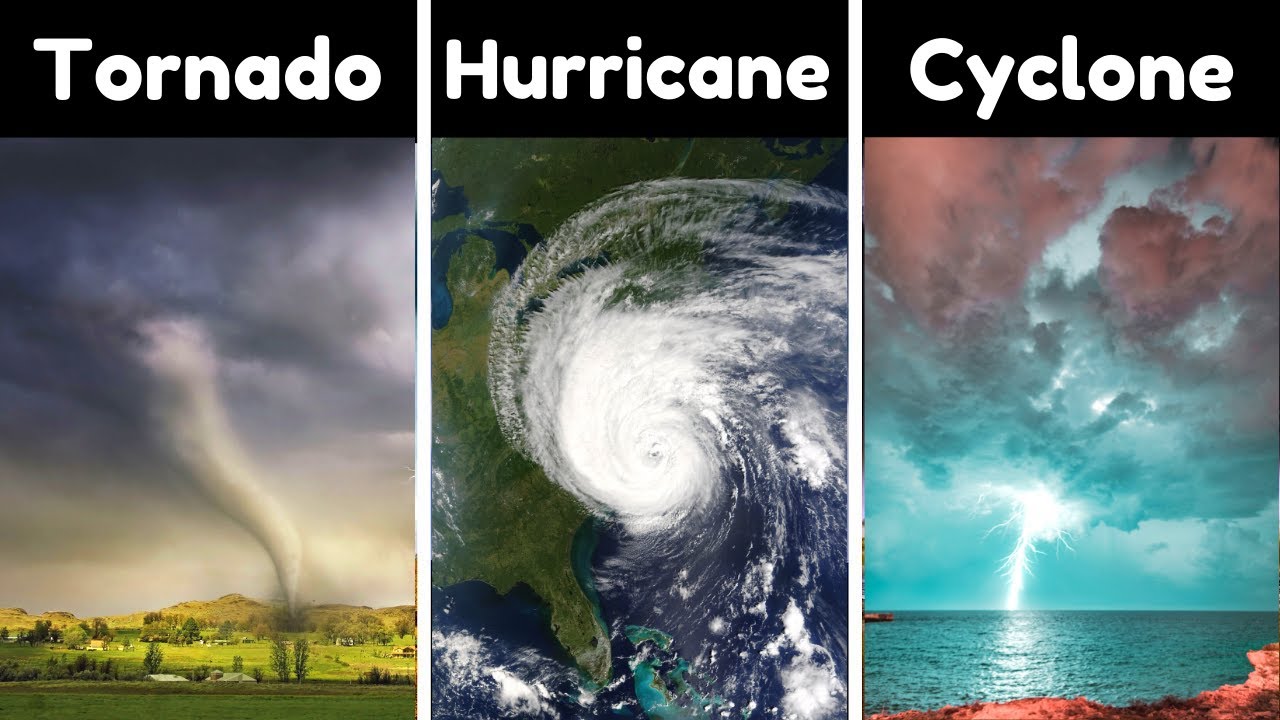
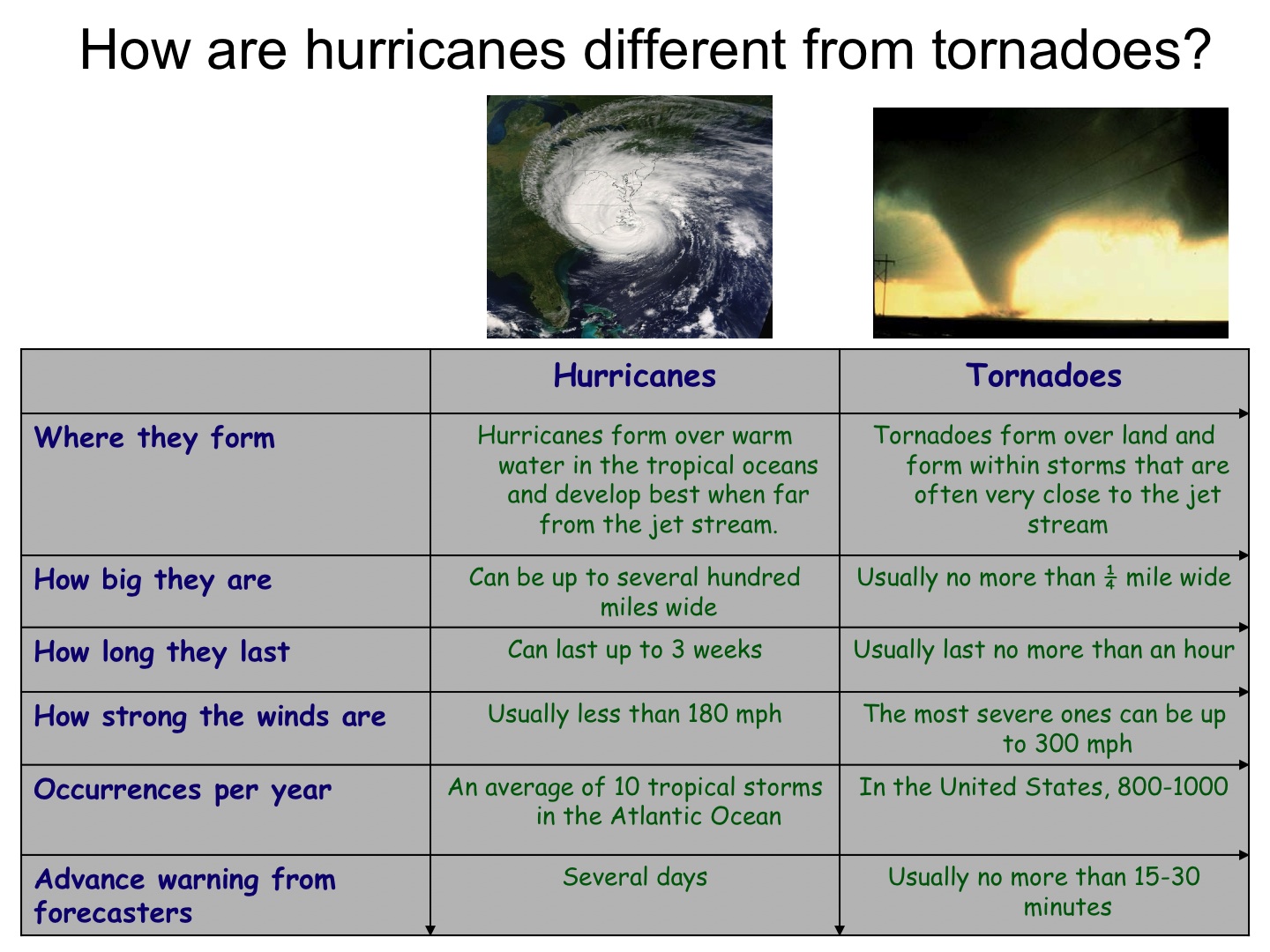
Hurricanes, bless their swirling hearts, are like massive, slow-motion monsters. Think of them as the Godzilla of the storm world, lumbering across the ocean, spanning hundreds of miles.
Tornadoes, on the other hand, are more like angry, spinning ninjas. They're small, compact, and incredibly fast, often lasting only minutes, but packing a walloping surprise.
Must Read
Hurricane Scale: A Slow Burn
We measure hurricanes using the Saffir-Simpson scale, a fancy way of saying how strong the wind is. A Category 1 hurricane is like a grumpy toddler throwing a tantrum, while a Category 5 is a full-blown, earth-shattering explosion of wind and rain.
Imagine trying to outrun a toddler versus escaping an actual volcano. You get the picture! Hurricanes, while powerful, give you some warning time.
Tornado Scale: A Wild Ride
Tornadoes are measured using the Enhanced Fujita (EF) scale. EF0 is like a gentle nudge from Mother Nature, while EF5 is like being picked up and shaken like a ragdoll by a giant, invisible hand.
Trying to predict exactly when and where a tornado will touch down is like trying to catch a greased pig at a county fair. Good luck with that!
Round 2: Land vs. Sea
Hurricanes are born over warm ocean waters, feasting on that moisture like a hungry giant at an all-you-can-eat buffet. They get weaker as they hit land, which is good news for us landlubbers.
Think of it like a grumpy cat. When it’s wet, it gets even more grumpy but less destructive, once dried then it gets more active again.
Tornadoes, however, can form just about anywhere, even in your backyard (though hopefully not!). All they need is the right atmospheric conditions – a clash of warm, moist air and cold, dry air.
Hurricane Impact: Widespread Devastation
Hurricanes bring with them a whole host of problems: storm surge (a wall of water that floods coastal areas), heavy rainfall (leading to inland flooding), and strong winds (that can knock down trees and power lines).
It’s like a bad hair day that lasts for several days and ruins your entire vacation. You should always find shelter inland.

Tornado Impact: Concentrated Fury
Tornadoes are like tiny, whirling dervishes of destruction. They might only be a few hundred yards wide, but within that small area, they can level entire neighborhoods. They can pick up cars, fling debris through the air, and generally cause chaos.
It’s like a small bomb with pinpoint accuracy, the destruction is focused, but if you are in its path, you're in serious trouble!
Round 3: Warning Signs and Evacuation
Hurricanes give us plenty of warning. Meteorologists can track them for days, even weeks, before they make landfall. That gives people time to evacuate, prepare their homes, and stock up on supplies.
It’s like getting a heads-up that a giant monster is heading your way. You have time to run for the hills!
Tornadoes, on the other hand, can form and dissipate in a matter of minutes. Tornado warnings are issued when a tornado has been sighted or indicated by radar. You often only have a few minutes to take shelter.
It’s like a sneak attack from an invisible enemy. Quick reactions and a safe place to hide are essential!
Hurricane Preparedness: Playing the Long Game
Preparing for a hurricane is all about playing the long game. It means stocking up on food, water, and medications, securing your home, and having an evacuation plan in place. It’s like preparing for a siege.
Imagine a prolonged camping trip where you might lose electricity and running water.
Tornado Preparedness: Instant Action
Tornado preparedness is all about instant action. Knowing where your safe room or shelter is, having a weather radio to stay informed, and being ready to drop, cover, and hold on at a moment's notice. It’s like being a ninja, ready to react swiftly and decisively.
Picture yourself doing a fire drill, except the fire is a swirling vortex of destruction.
The Verdict: Which Is More Dangerous?
Okay, drumroll please… It's complicated! Both hurricanes and tornadoes are incredibly dangerous, but in different ways.
Hurricanes cause more widespread damage and flooding, impacting larger areas and more people. The massive flooding can lead to mold issues months or years down the road.
Tornadoes, with their intense localized winds, can cause more concentrated and catastrophic damage. They are smaller, but deadly.
The Final Tally: It Depends!
So, which one is more dangerous? It really depends on where you live and what your priorities are. If you live in a coastal area prone to hurricanes, you need to be prepared for the potential for widespread flooding and wind damage.
And you should consider that climate change is making it harder to predict storm behavior.
If you live in the tornado alley, you need to be prepared for the possibility of a sudden, violent tornado. Know your safe places and be prepared to react quickly.
A Little Perspective
Remember, even though these storms are scary, they're also part of the natural world. We can't control them, but we can learn to respect them and prepare for them.
Think of it like this: nature is a wild beast, and we need to be smart and cautious when we're in its territory.
Stay informed, stay prepared, and stay safe. Now go forth and enjoy the sunshine (or the rain, if that's your thing)!
Beyond the Storm: Long-Term Impacts
The immediate dangers of hurricanes and tornadoes are obvious, but the long-term impacts can be just as devastating.
Consider the psychological toll on survivors, the economic disruption caused by property damage, and the environmental consequences of widespread flooding and debris.
Mental and Emotional Scars
Experiencing a major storm can leave lasting scars, both visible and invisible. The stress, trauma, and loss can lead to anxiety, depression, and post-traumatic stress disorder (PTSD).
It's important to remember that healing takes time and that seeking help is a sign of strength, not weakness.
Economic Fallout
The economic impact of hurricanes and tornadoes can be staggering. Property damage, business closures, and agricultural losses can cripple communities and take years to recover from.
Rebuilding infrastructure, supporting local businesses, and providing financial assistance to those affected are crucial steps in the recovery process.
Environmental Repercussions
These storms can wreak havoc on the environment. Flooding can contaminate water supplies, damage ecosystems, and spread pollutants.
Debris from damaged buildings can litter the landscape and take years to decompose. Cleanup efforts are essential to restoring the environment and protecting public health.
The Future of Storms: Adapting to a Changing Climate
As the climate continues to change, the frequency and intensity of extreme weather events are expected to increase.
This means that we need to become even better at predicting, preparing for, and responding to hurricanes and tornadoes.
Investing in Research and Technology
Continued investment in research and technology is essential to improve our understanding of these storms and develop better forecasting models.
Advances in satellite technology, radar systems, and computer simulations can help us predict where and when storms will strike, giving people more time to prepare.
Strengthening Infrastructure
Strengthening our infrastructure is crucial to reduce the vulnerability of communities to extreme weather events.
This includes building stronger homes and buildings, improving drainage systems, and protecting coastal areas from storm surge.
Promoting Community Resilience
Building community resilience is about empowering people to prepare for, respond to, and recover from disasters.
This involves educating people about the risks they face, helping them develop evacuation plans, and building strong social networks that can provide support in times of crisis.
Final Thoughts: Respect the Power of Nature
Hurricanes and tornadoes are powerful forces of nature that demand our respect. By staying informed, taking precautions, and working together, we can minimize the risks and protect ourselves and our communities.
So, the next time you hear a weather warning, take it seriously. Your safety depends on it!
Stay safe, stay informed, and remember, knowledge is your best defense against the fury of Mother Nature.