
What Is Larceny And Theft
Ever had something mysteriously vanish? Your favorite pen from your desk, that cute mug from the office kitchen, or perhaps even a package from your doorstep? We all encounter situations where things go missing, and often, our first thought is: "Was it stolen?" It's a common term, but have you ever wondered about the nitty-gritty details of what theft actually means, legally speaking?
Let's dive into the world of disappearing acts, specifically focusing on larceny and theft – two terms often used interchangeably, but with some fascinating distinctions. Don't worry, we're keeping it light and breezy, no law school required!
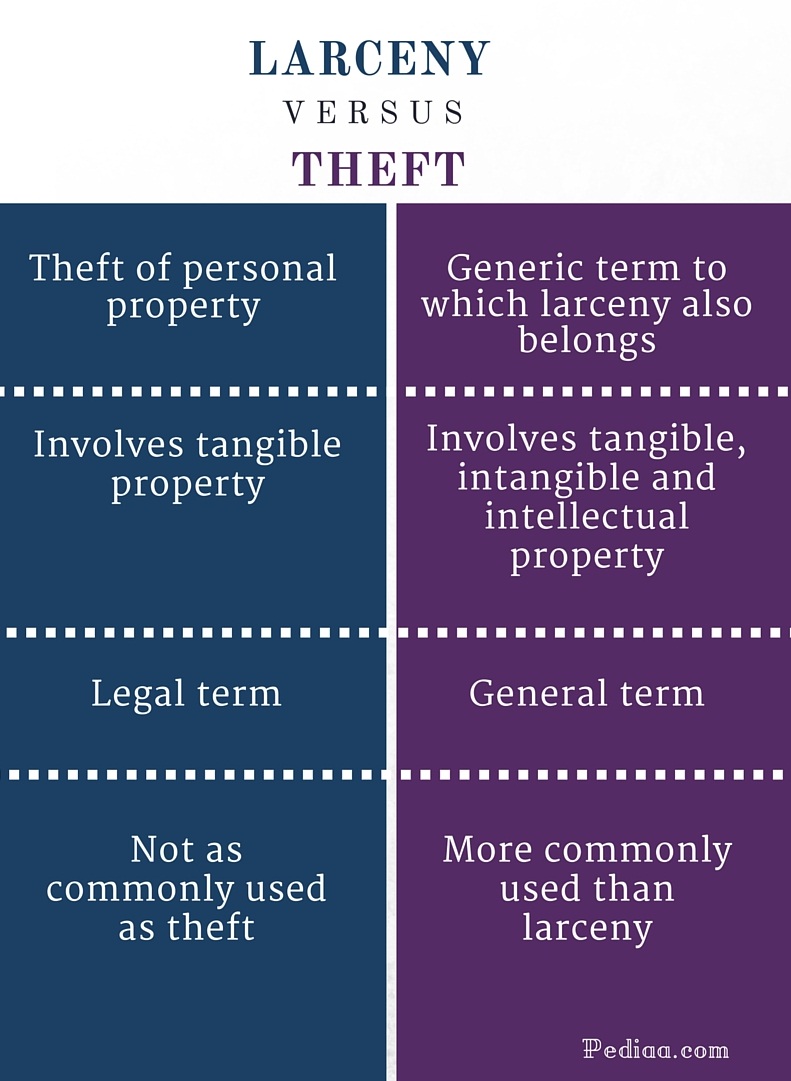
The Big Picture: What is Theft?
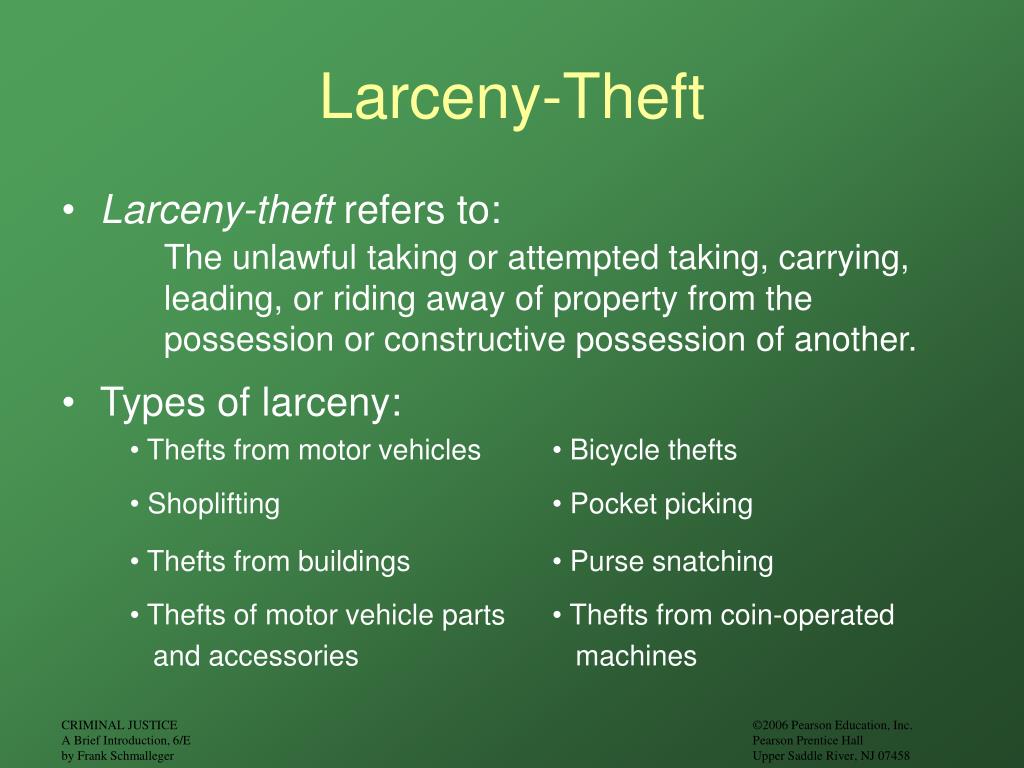
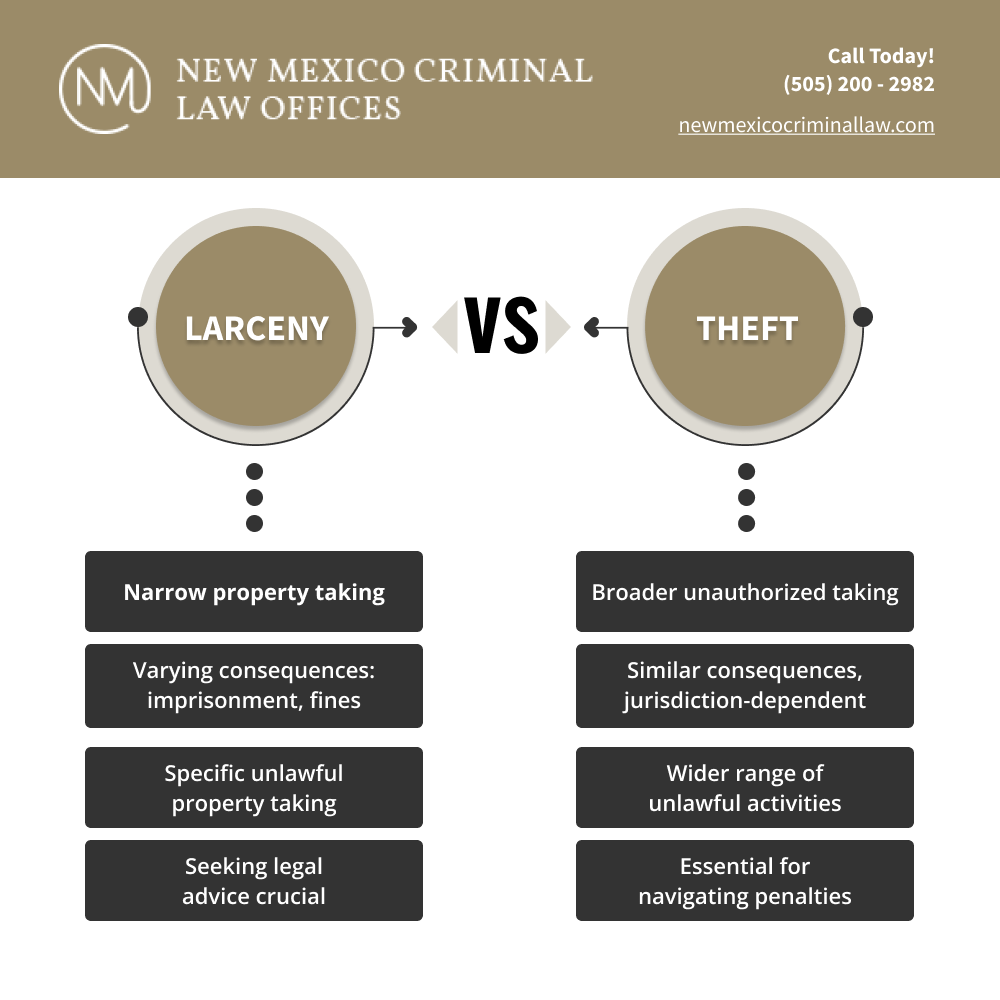
At its core, theft is a broad term. Think of it as the big umbrella under which many different acts of taking someone else's stuff fall. Generally, it means unlawfully taking property belonging to another person with the intent to permanently deprive them of it. Simple enough, right? The key here is the intent. It's not just accidentally walking off with someone's umbrella; it's about making a conscious decision to make it yours, forever, even though it isn't.
Must Read
Now, let's zoom in on one of its most common forms: larceny.
Larceny: The Classic "Taking and Carrying Away"
Larceny is often considered the original form of theft. Historically, it’s what people thought of when they imagined someone stealing something. To be considered larceny, a few specific ingredients need to be present:

- The Taking: You physically grab the item.
- The Carrying Away (Asportation): You move it, even a little bit. Think of shoplifting: just moving an item from the shelf into your bag can fulfill this, even if you don't leave the store.
- Personal Property: It has to be something tangible, movable, and owned by someone else.
- Of Another: It's not your property.
- With Intent to Permanently Deprive: This is crucial. You don't just want to borrow it; you want to keep it forever.
So, that infamous "five-finger discount" at your local store? That's typically shoplifting, which is a common form of larceny. Someone secretly slipping an expensive gadget into their backpack and walking out without paying? Classic larceny. It's often divided into two categories based on value: petty larceny (for smaller values) and grand larceny (for higher values), which determines the severity of the charge.
Beyond Larceny: Other Ways Property Goes "Missing"
While larceny covers a lot, it's not the only way things are unlawfully taken. For a little context, here are a couple of other common ones:
- Embezzlement: This is when someone you trust with property (like an accountant with company funds, or a cashier with money) takes it for themselves. They already have lawful possession, but they convert it to their own use.
- Robbery: This is theft, but with the added element of force or fear used against the victim. Think of a mugging – it's larceny, but the use of violence or threat makes it robbery.
- Burglary: This isn't just about theft, but about entering a building unlawfully with the intent to commit a crime inside (which is often, but not always, theft).
See? There’s a whole spectrum of property crimes, but larceny and general theft cover a huge chunk of what we usually talk about when someone "steals" something.
Practical Pointers and Fun Facts
Understanding these terms isn't just for legal buffs. It can help you be a more informed citizen and even protect yourself!
"Finders Keepers?" Not Always! That playground rhyme isn't legal advice. If you find property, depending on where and how it was lost (e.g., mislaid in a public place vs. truly lost), you might have a legal obligation to try and return it or turn it over to authorities. Keeping something you know belongs to someone else and can be returned could sometimes be considered theft by finding. Always err on the side of doing the right thing!
Protect Your Treasures: A little common sense goes a long way. Lock your doors, don't leave valuables visible in your car, use secure package delivery options, and be mindful of your surroundings. Most theft is opportunistic, meaning if it looks easy, it might become a target.
Cultural Nod: Ever heard of the famous line from Jean Valjean in Victor Hugo's Les Misérables, stealing a loaf of bread to feed his starving sister's child? This classic example grapples with the morality and legality of larceny driven by extreme necessity. It's a reminder that while the law is clear, human stories often add layers of complexity.
Bringing it Home: Respect and Community
Ultimately, whether we call it larceny, theft, or just plain "swiping," the act of taking something that isn't yours boils down to a fundamental disrespect for another person's property and effort. In our daily lives, where we share spaces, resources, and even ideas, understanding and respecting boundaries is crucial.
So, the next time that office pen goes missing, or you're securing your bike with an extra lock, you'll know a little more about the legal and social implications behind that simple, yet impactful, act of taking. It’s about valuing what belongs to others as much as you value your own, fostering a community built on trust and mutual respect.