
What Is Intake Air Temperature Sensor
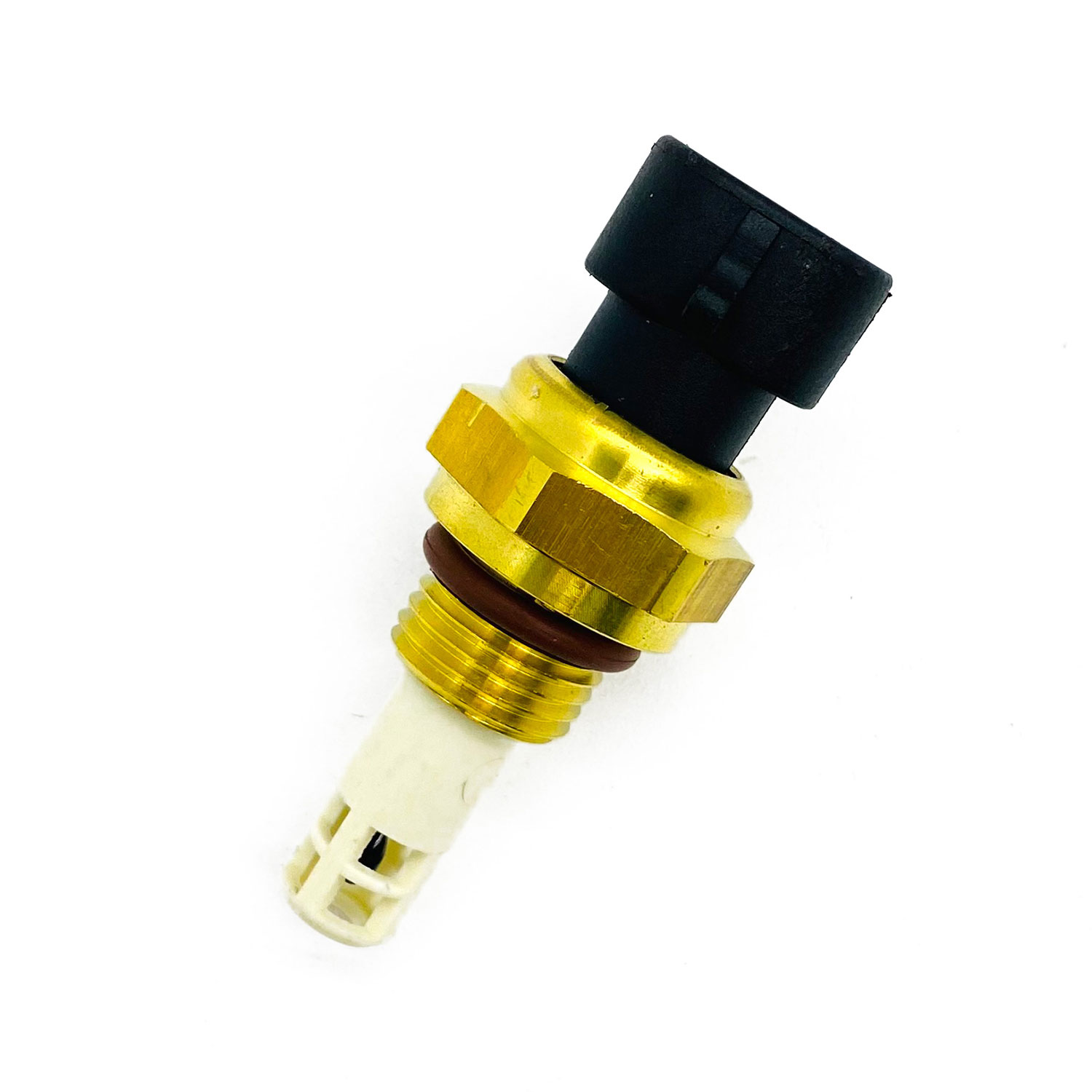
Ever wondered what secret ingredient your car uses to decide how much "oomph" to give you when you floor it? Well, buckle up, because we're diving into the surprisingly important world of the Intake Air Temperature (IAT) sensor. It's like your car's personal meteorologist, but instead of predicting rain, it's measuring air – for performance!
Think of it as the tiny thermostat for your engine's lunch. It's all about making sure your engine gets the perfect bite of air and fuel, every single time.
The Air Appétit: Why Temperature Matters
Imagine trying to bake a cake but not knowing if your oven is at 200 degrees or 400! It's going to be a disaster, right?
Must Read
The same goes for your engine. It needs to know the temperature of the air entering it. Cold air is denser, meaning it packs more oxygen punch. Warm air? Not so much.
This little sensor ensures the engine control unit (ECU), the car's brain, can adjust the fuel mixture accordingly. Too much fuel with cold air? Sputtering and poor mileage. Too little fuel with warm air? Hello, sluggish performance!
Where's This Sneaky Sensor Hiding?
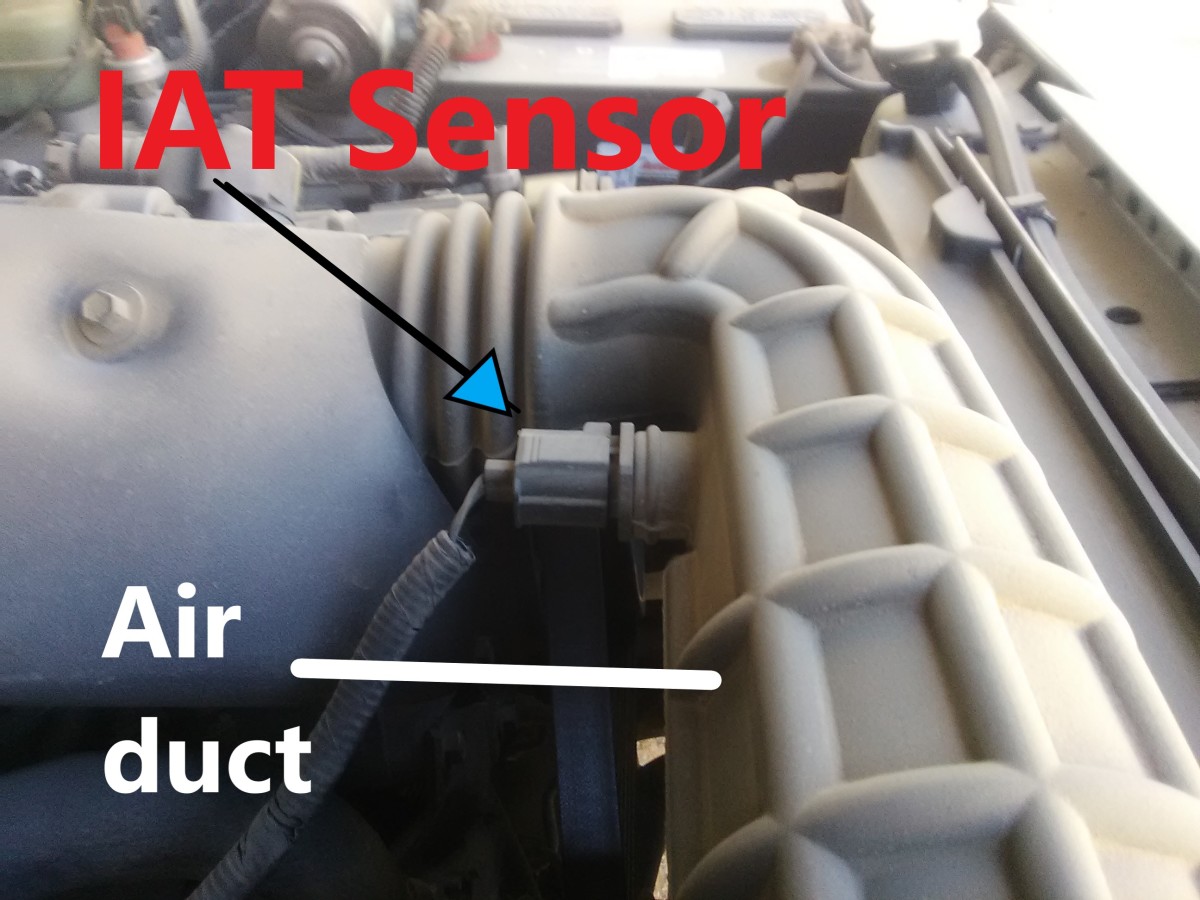
The IAT sensor usually chills near the air filter box or inside the intake manifold. Think of those places as the front door and foyer of your engine. It's strategically placed where it can sniff the air before it mixes with the fuel.
So, it is placed ideally for getting a good read on incoming air temperature before it is mixed with fuel.
Finding it can be like a treasure hunt, but a quick look in your car's manual or a YouTube video can quickly reveal its location. Just try not to sneeze directly on it – sensitive little guy!
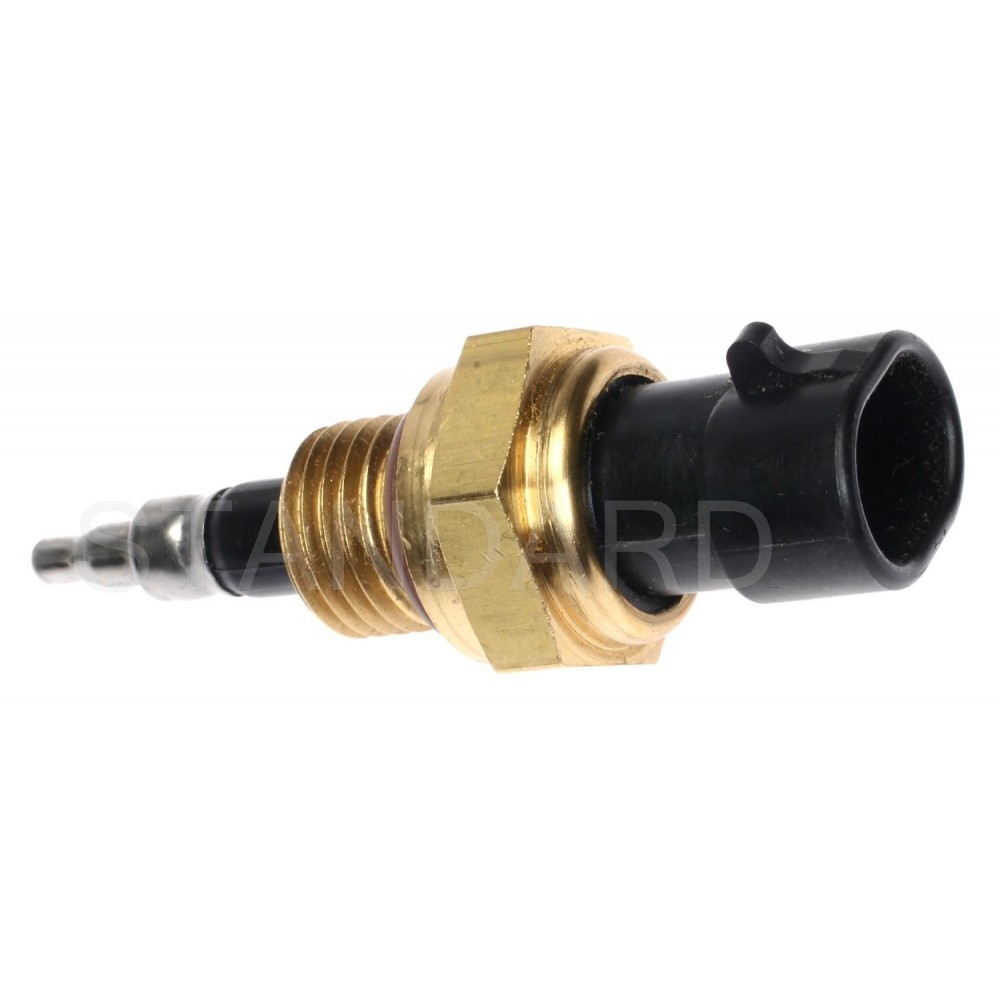
A Day in the Life of an IAT Sensor
Let's picture a typical day. You hop in your car on a crisp autumn morning. The IAT sensor wakes up, sniffs the air, and whispers to the ECU, "Brrr! It's cold out here!"
The ECU, now informed, tells the fuel injectors to squirt in a bit more fuel to compensate for the dense, oxygen-rich air. Your car starts smoothly and purrs like a contented kitten.
Fast forward to a scorching summer afternoon. The IAT sensor sighs dramatically. "Whew! Hot enough for ya?" it groans to the ECU.
The ECU, ever adaptable, dials back the fuel slightly to prevent the engine from running too rich. Your car still performs admirably, even in the heat.
When Good IAT Sensors Go Bad: Warning Signs
Even the most dedicated sensors can have their off days. So how do you know if your IAT sensor is calling it quits?

Here are some telltale signs that your IAT sensor may be telling tales:
- Poor fuel economy
- Rough idling
- Hesitation during acceleration
- Check engine light (that dreaded beacon of automotive woe)
If you experience these symptoms, don't panic! A simple scan of your car's computer system can usually pinpoint the problem.
The DIY Dilemma: Can You Replace It Yourself?
Replacing an IAT sensor is often a relatively simple and inexpensive repair. Depending on your car's make and model, you might even be able to tackle it yourself!
However, if you're not comfortable working on your car, it's always best to consult a qualified mechanic. A little professional help can save you a lot of headaches (and potentially more expensive repairs) down the road.
IAT Sensor: The Unsung Hero
The IAT sensor may be small and unassuming, but it plays a vital role in your car's performance and fuel efficiency. It's the quiet guardian of your engine's air-fuel mixture, ensuring everything runs smoothly, no matter the weather.
Next time you're cruising down the road, give a little thanks to that unsung hero, the IAT sensor. It's working hard to keep your engine happy and your wallet a little bit heavier.
It's the silent hero ensuring your engine gets exactly what it needs, when it needs it.
Fun Facts About Air Temperature and Your Car
Did you know that the IAT sensor’s readings can even affect your car’s turbocharger performance? Colder air allows the turbo to pack even more punch!
Older cars didn't have IAT sensors. They relied on simpler systems, which were less accurate and less efficient.
Some high-performance cars use multiple IAT sensors for even greater precision. Think of it as having a team of weather reporters for your engine!

In Conclusion: Appreciate the Air
So there you have it – a peek into the often-overlooked world of the Intake Air Temperature sensor. It's not just a random part; it's a crucial element in keeping your engine running smoothly and efficiently.
It is a simple sensor doing a critical job.
Next time you start your car, remember the little IAT sensor working tirelessly to ensure the perfect air-fuel balance. Give it a silent "thank you" – it deserves it!
And who knows, maybe you'll even start checking the air temperature a little more often yourself. After all, even you perform better when the temperature is just right!
"The IAT Sensor: Small sensor, big impact."