
What Is In The Budget Bill

Ever stare at headlines about "the budget bill" and feel your eyes glaze over faster than a Krispy Kreme donut? You're not alone! It sounds super serious, full of jargon, and about as exciting as watching paint dry. But guess what? It’s actually pretty fascinating once you peel back the layers – like an onion, but hopefully less tear-inducing. Let's break it down, friend, without needing a degree in advanced economics!
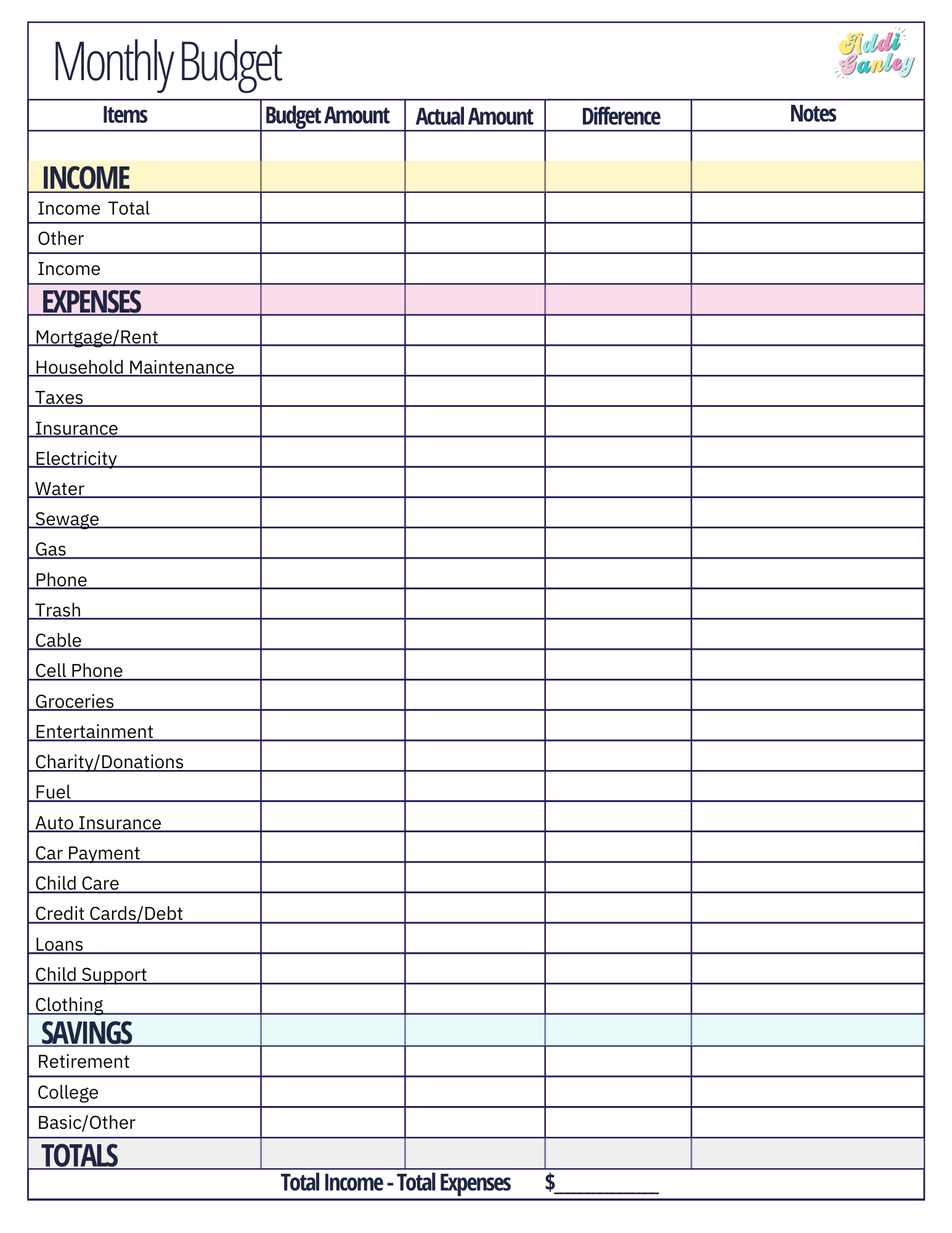
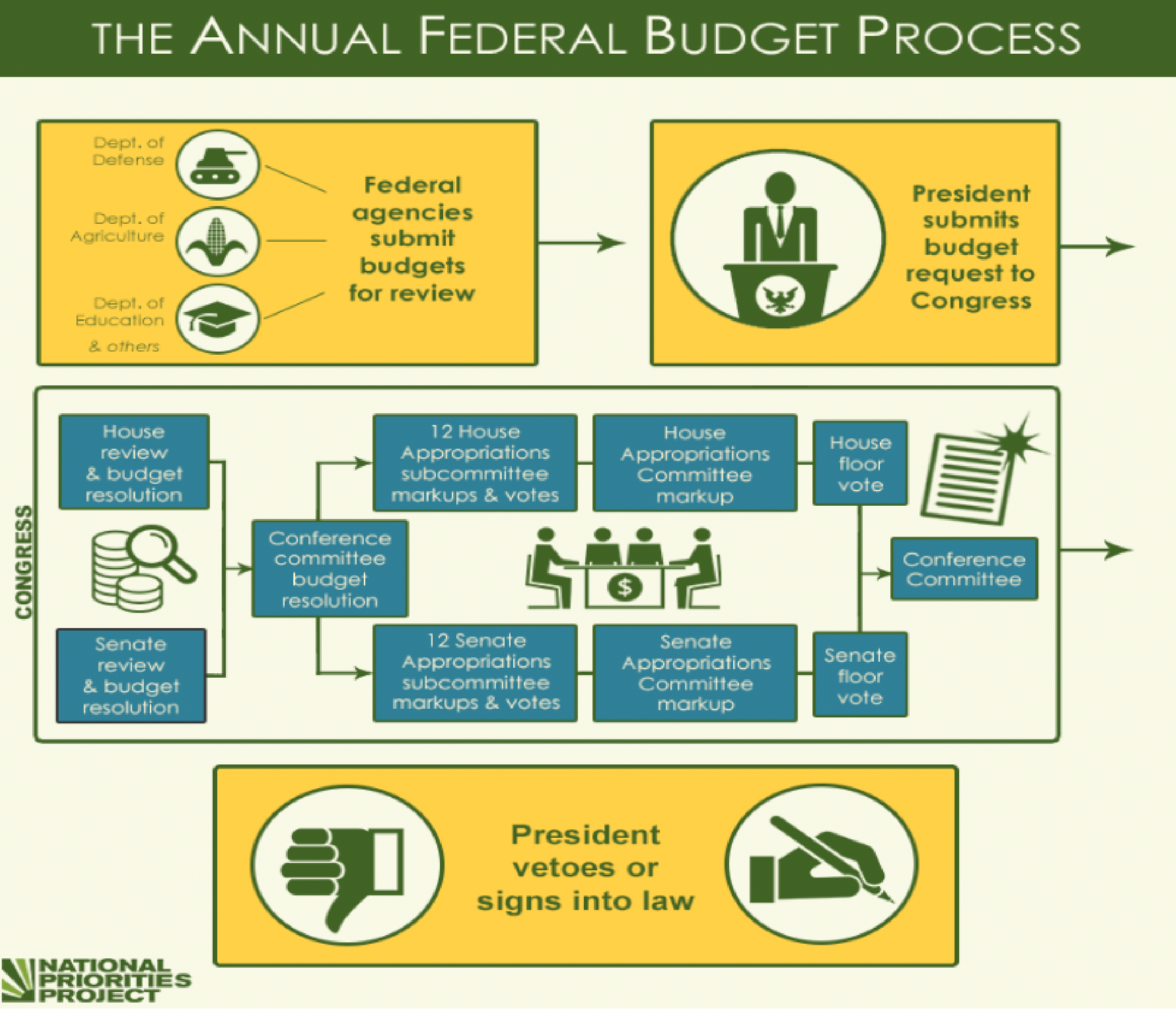
Think of the budget bill like a country's gigantic, annual shopping list, or maybe a massive recipe book for how the government plans to spend your hard-earned money. It’s a document that outlines where the government expects to get its money (mostly taxes, surprise!) and, more importantly, where it plans to spend it. Every year, Congress debates, negotiates, and finally passes this monster of a bill, deciding what gets funded and what doesn't. It's like a national game of "Who Wants to Be a Millionaire," but with billions, and everyone's a contestant!
What's Cooking in This Giant Pot?
Alright, let’s peek inside the pantry. What are the main ingredients that make up this epic fiscal feast?
Must Read
First up, we have the "Keep the Lights On" stuff. This is all about government operations: paying federal employees (from park rangers to IRS agents – sorry, not sorry!), maintaining federal buildings, buying office supplies (hello, paperclips!), and generally ensuring the machinery of government actually, you know, runs. It's the boring but utterly essential bit, like the engine of a car you never see but really, really need.
Then there's Defense. This chunk is dedicated to our military, including everything from fighter jets and battleships to soldiers' salaries and veterans' benefits. It’s the "shields up!" part of the budget, ensuring national security. It's often one of the biggest slices of the pie, making sure we're ready for anything the world throws our way.
We also have a huge section for Social Programs. Think Medicare (healthcare for seniors), Social Security (retirement and disability benefits), Medicaid (healthcare for low-income individuals), and various welfare programs. These are often called the "safety nets" – designed to help ensure folks have basic necessities and support when they need it most. It's like the government's super-sized compassion fund.

Don't forget Infrastructure! This is the money that builds and repairs our roads, bridges, public transportation, airports, and even expands broadband internet. It's the "let's fix those pesky potholes" and "how do we get faster Wi-Fi to everyone?" part of the budget. Good roads mean smoother commutes, and who doesn't love that?
Education gets its share too! This includes funding for public schools, student loans and grants, research at universities, and various programs aimed at improving learning. It’s an investment in future brains and bright ideas – because smart people make the world go 'round, right?
There's also money for Healthcare (beyond Medicare/Medicaid). This covers things like public health initiatives, medical research (hello, NIH!), disease prevention (go, CDC!), and mental health services. Basically, anything to keep us all healthier and happier. Because a healthy nation is a happy nation!
And let's not forget the Environment and Energy. Funding for national parks (gotta protect those beautiful landscapes!), environmental protection, clean energy research, and addressing climate change. It's about being good stewards of our planet, making sure Mother Earth gets some love too.
Finally, there's the less fun, but very real, line item: Interest on the National Debt. Just like you pay interest on your credit card, the government pays interest on the money it's borrowed. It's a significant amount and can't really be ignored. Think of it as the "uh-oh, we borrowed a bit much last year" category.
Mandatory vs. Discretionary: The Grown-Up Allowance
Another key distinction to know is between mandatory spending and discretionary spending.
Mandatory spending is like your rent or your Netflix subscription – it's required by existing laws. Things like Social Security, Medicare, and interest on the debt automatically get funded unless Congress changes the underlying laws. These are often the biggest pieces of the budget pie, and they’re tough to change.
Discretionary spending, on the other hand, is what Congress gets to decide on each year. This is where the big debates happen! Defense, education, infrastructure, environmental protection – these are all parts of the discretionary pie. It’s like your flexible spending money; you decide if you want a fancy coffee or save for new shoes.
Why Should You Care? (Besides the Drama)
So, why bother understanding this behemoth? Because the budget bill isn't just a bunch of numbers; it's a direct reflection of our national priorities. It shows what we, as a country, value and where we want to invest. Every dollar spent (or not spent) in this bill affects you, your family, your community, and your future.

It impacts everything from the quality of your local roads to the availability of healthcare, the strength of our military, and the opportunities for the next generation. It’s democracy in action, messy as it can be, and it’s a constant tug-of-war between different ideas, needs, and wants.
Phew! We made it! See, that wasn't so bad, was it? The budget bill is a complex beast, but at its heart, it's just a huge plan for how our country runs and where our collective resources go. It’s a testament to the fact that even the most complicated things can be understood if you break them down into bite-sized, slightly-less-scary pieces.
So next time you hear about "the budget," you can give a knowing nod, maybe even offer a little grin, and think, "I actually know what they're talking about!" And who knows, maybe that understanding will inspire you to get involved and share your own two cents – because in a democracy, your voice truly does matter. Keep smiling, keep learning, and remember, we're all in this economic adventure together!